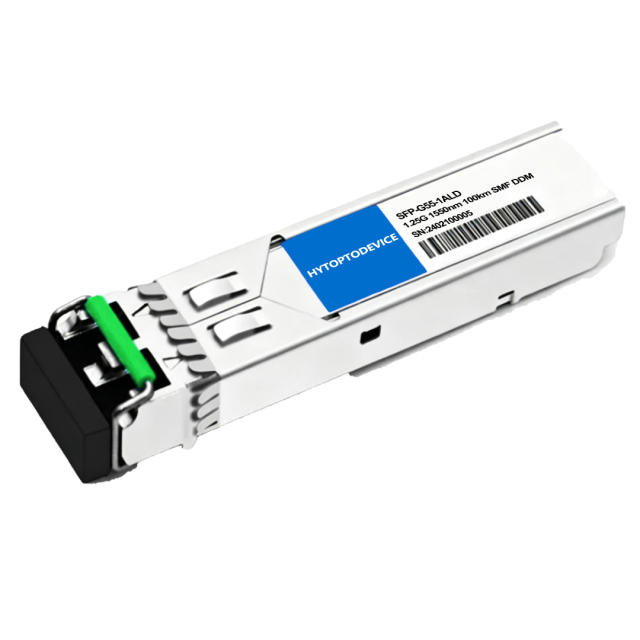
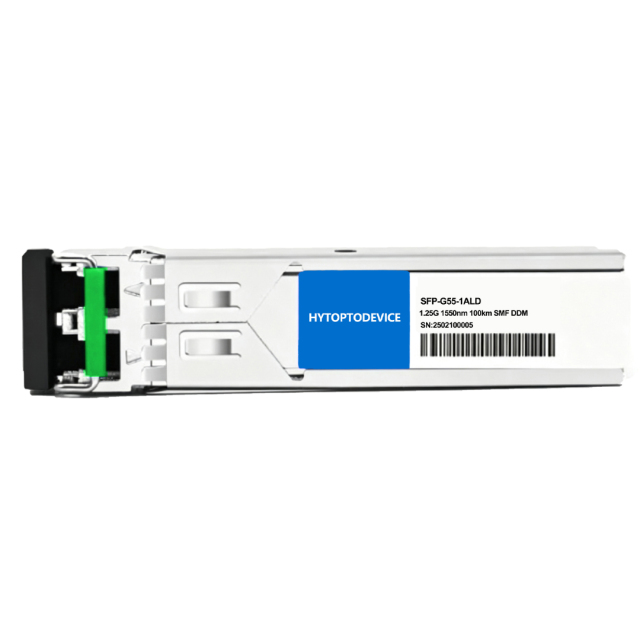
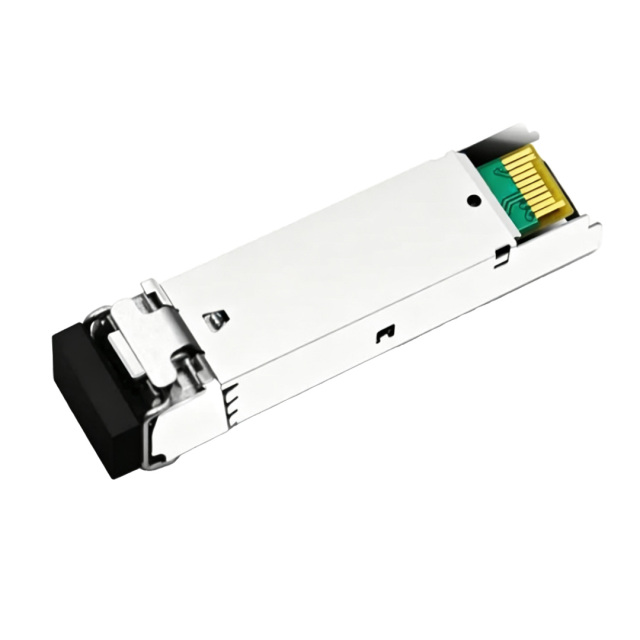
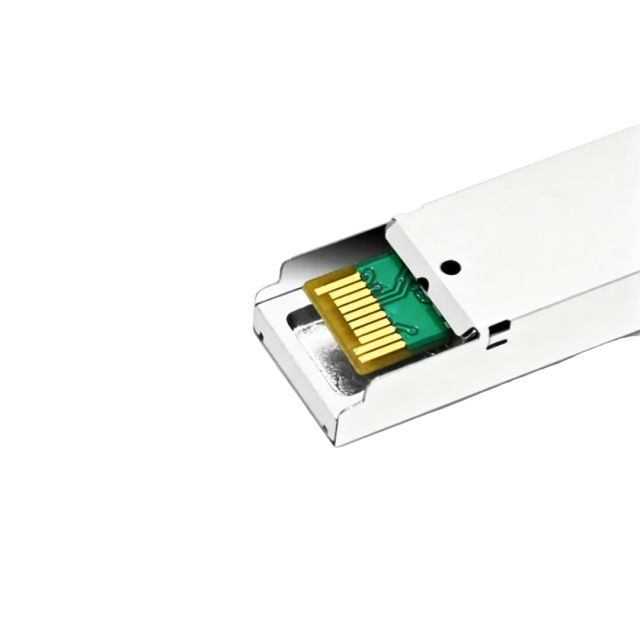
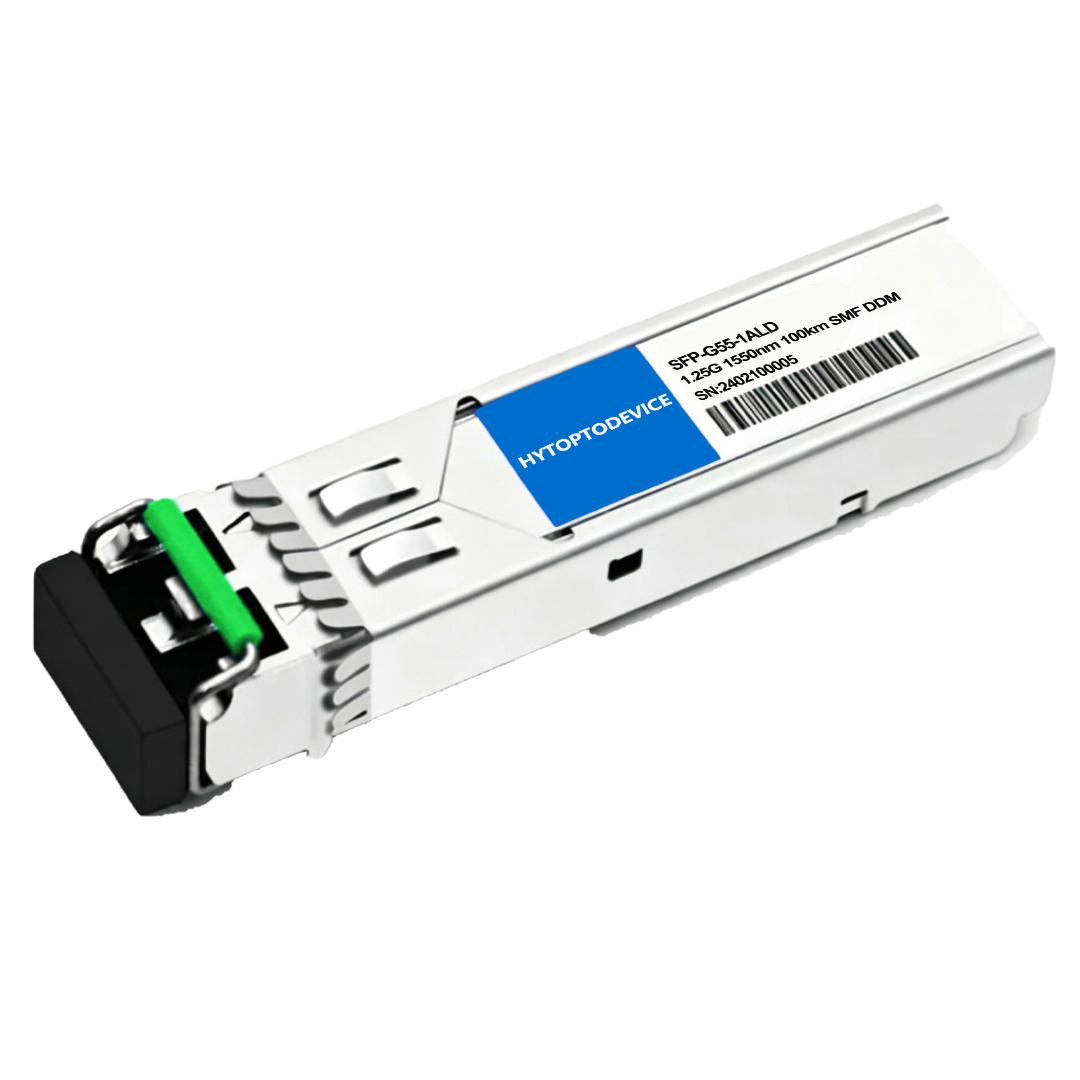
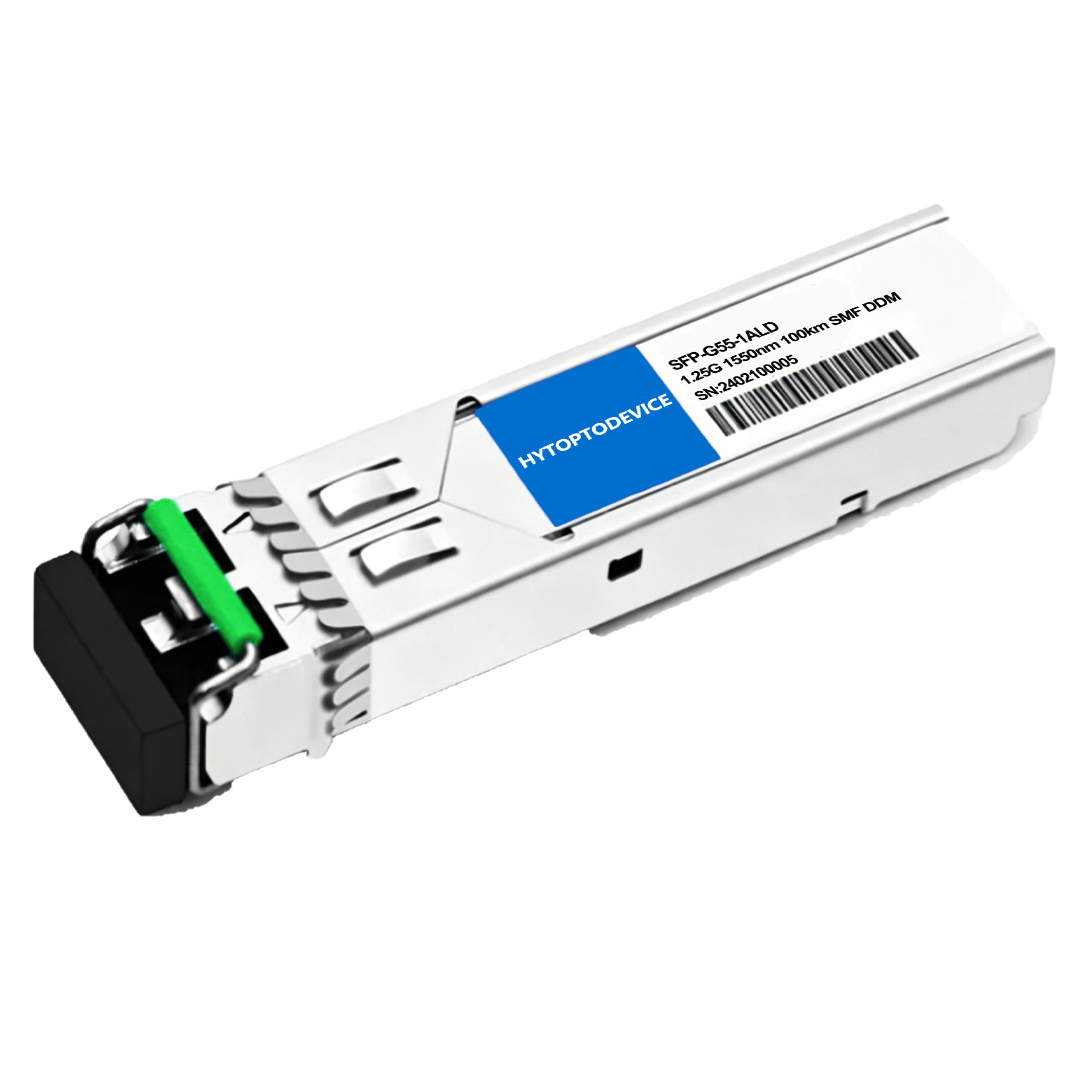
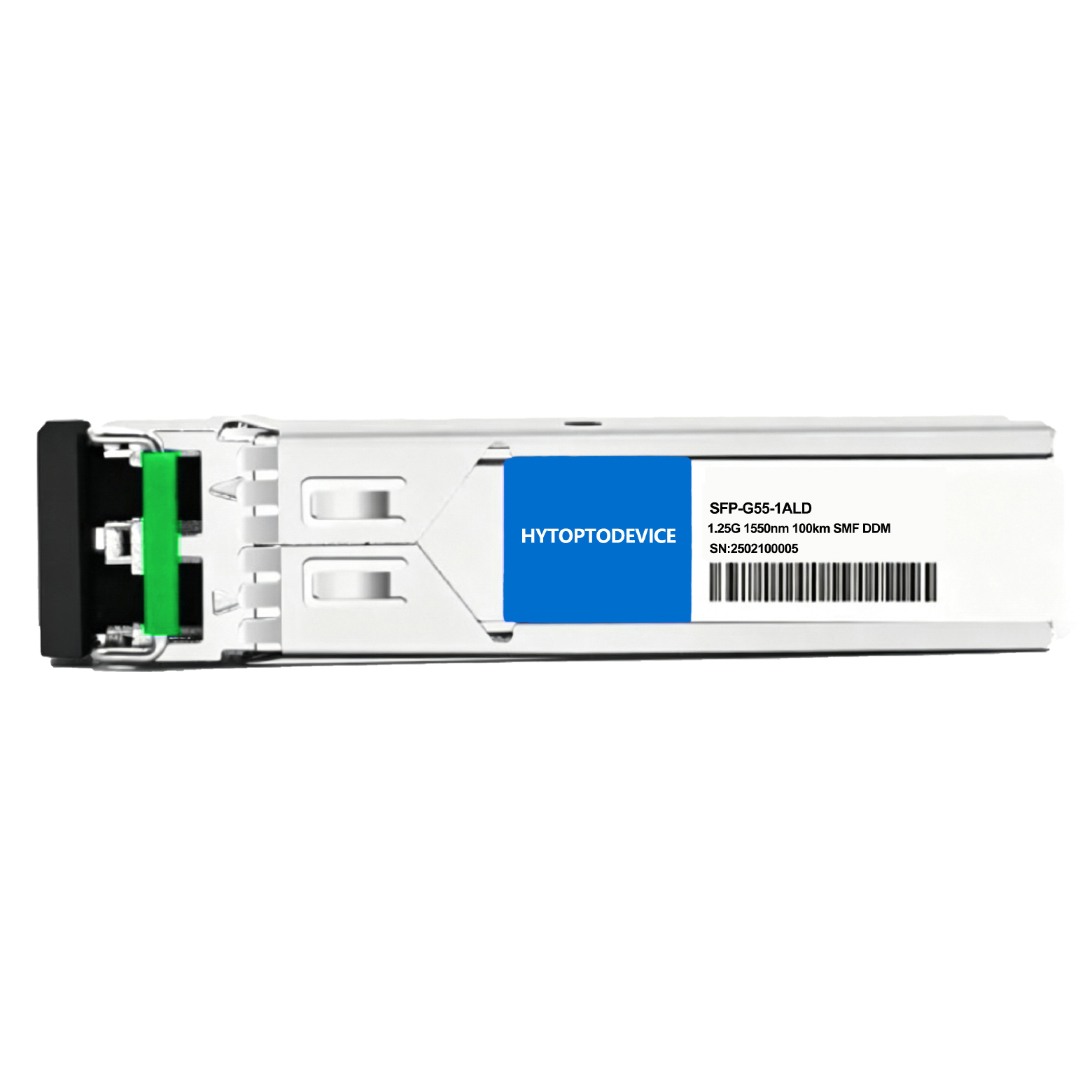
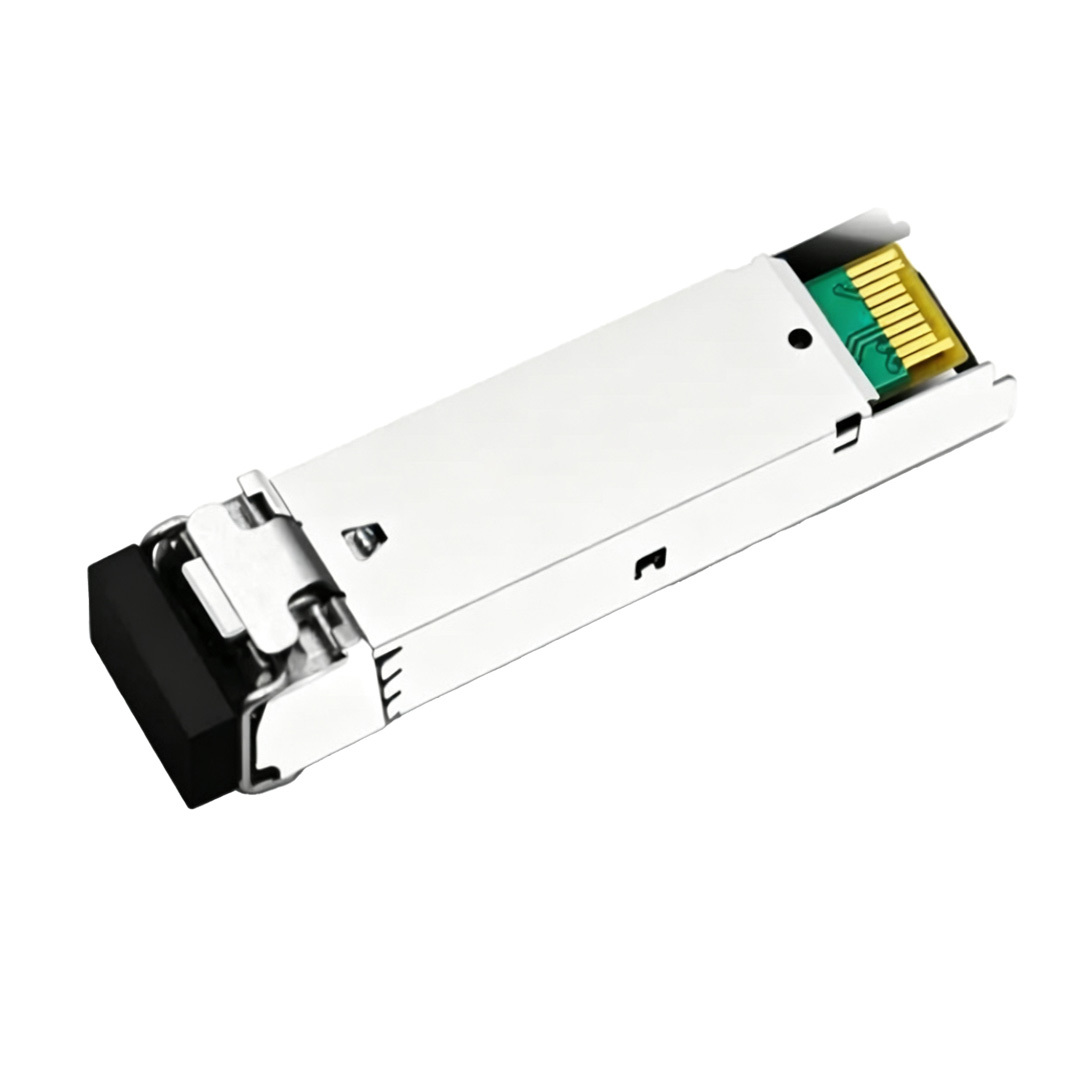
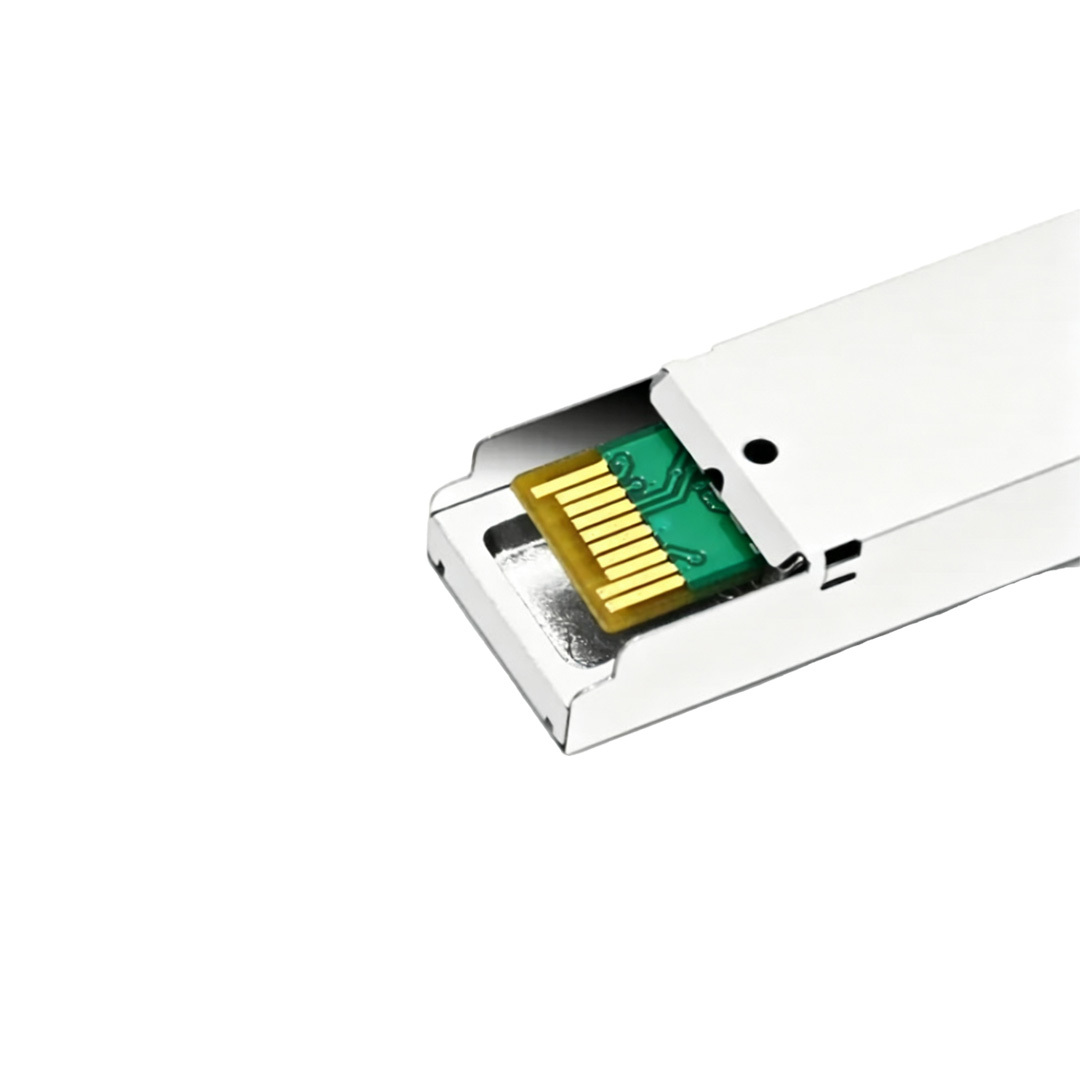
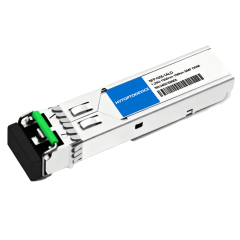
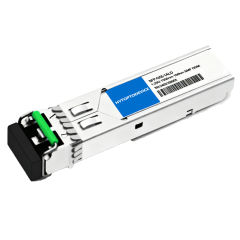
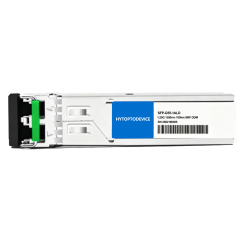
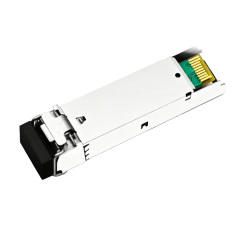
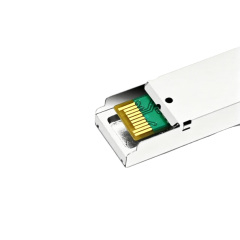
Q1: Can this 1.25G 1550nm SFP module deliver reliable full 100km transmission for Extreme network deployments?
A: Yes. This HYTOPTODEVICE Extreme 10064H compatible pluggable transceiver delivers consistent, error-free 100km long-haul performance. With a 28–33dB optical power budget, it easily offsets standard 1550nm fiber attenuation, splicing and panel losses, fully adapting to real-world enterprise long-distance networking scenarios.
Q2: What key optical performance specs define this 100km Extreme-compatible gigabit transceiver for bulk purchase?
A: This industrial-grade HYTOPTODEVICE 1000BASE-EZX pluggable transceiver features professional calibrated parameters. It provides 0dBm~+5dBm transmit optical power, ≤-28dBm high receiver sensitivity and -1dBm overload power. The sufficient 28–33dB power budget ensures ample link margin for stable 100km ultra-long transmission, ideal for enterprise bulk procurement and quotation inquiry.
Q3: Can this 100km long-range optical module be used for short 20km/40km fiber links?
A: It supports short and medium-distance networking deployment with standardized operation. This HYTOPTODEVICE long-haul pluggable transceiver can interconnect with 20km and 40km modules under identical 1550nm wavelength conditions. A 10–15dB optical attenuator is mandatory to prevent optical overload and protect module internal components.
Q4: Which fiber cable type is required to guarantee stable 100km 1550nm transmission?
A: Stable 100km operation strictly requires standard G.652 single-mode fiber. This HYTOPTODEVICE Extreme 10064H compatible pluggable transceiver matches the low-attenuation characteristics of 1550nm wavelength on G.652 fiber, eliminating excessive signal loss for reliable long-haul data transmission.
Q5: Do fiber degradation and poor splicing joints affect long-term 100km link stability?
A: Substandard fiber conditions directly impact link quality. Long-term fiber aging, unqualified splicing and contaminated end faces increase transmission loss and reduce link margin. Regular fiber inspection and maintenance can keep HYTOPTODEVICE pluggable transceiver links stable without flutters or packet loss.
Q6: What receiver chip solution does this cost-effective 100km transceiver adopt?
A: This high-cost-performance HYTOPTODEVICE pluggable transceiver adopts a high-sensitivity PIN receiver chip, instead of costly APD components. It achieves professional ≤-28dBm receiving sensitivity and 28–33dB power budget, fully meeting 100km stable transmission requirements and greatly lowering enterprise networking procurement costs.
Q7: What port connector specification does this long-haul SFP module utilize for enterprise purchase?
A: This HYTOPTODEVICE Extreme-compatible pluggable transceiver adopts universal duplex LC UPC connectors. The low-reflection UPC polishing process effectively reduces signal return loss, ensuring firm physical connection and continuous stable transmission for 100km long-distance fiber links, suitable for large-scale bulk ordering.
Q8: What operating voltage does this gigabit SFP transceiver support for network project procurement?
A: This HYTOPTODEVICE pluggable transceiver supports standard 3.3V working voltage, fully complying with SFP MSA international specifications. It features perfect adaptive compatibility with mainstream Extreme enterprise switches and routers, worthy of project bulk purchase and fixed quotation cooperation.
Q9: Is online hot swapping supported for this 100km single-mode transceiver?
A: Yes. This HYTOPTODEVICE long-haul pluggable transceiver supports standard hot-plug and hot-swap functions. Users can install and replace modules online without powering down devices, simplifying daily network maintenance and avoiding service downtime.
Q10: Can this 1000BASE-EZX module realize single-fiber bidirectional BIDI transmission?
A: This HYTOPTODEVICE pluggable transceiver is a professional dual-fiber duplex module. It only supports dual-fiber sending and receiving transmission mode, and does not support single-fiber BIDI bidirectional networking, suitable for standard enterprise long-haul backbone links.
Q11: Does chromatic dispersion restrict 1.25G transmission performance at 100km distance?
A: The impact is negligible. Optimized for 1550nm long-haul scenarios, this HYTOPTODEVICE pluggable transceiver produces almost no chromatic dispersion loss under 1.25G low-rate transmission. It maintains flawless signal quality on standard G.652 fiber within 100km.
Q12: How does laser chirp affect signal quality during ultra-long 100km transmission?
A: Laser chirp interference is effectively suppressed. Equipped with high-quality low-chirp DFB laser chips, this HYTOPTODEVICE pluggable transceiver avoids signal distortion and frequency drift during long-distance transmission, ensuring clear and stable 100km link signals.
Q13: Is this transceiver applicable for formal networking over G.653 dispersion-shifted fiber?
A: G.653 fiber is not recommended for official deployment. Though the module can establish basic link connection on G.653 fiber, severe dispersion risks will cause unstable signals and hidden bit errors. Standard G.652 single-mode fiber is the optimal choice for 100km stable transmission.
Q14: Does this 100km long-haul module adapt to both Gigabit Ethernet and Fibre Channel ports for multi-scenario purchase? A: This multi-functional HYTOPTODEVICE pluggable transceiver supports dual mainstream protocols. It runs stably at 1.25Gbps for 1000BASE-ZX Gigabit Ethernet and 1.063Gbps for 1x Fibre Channel, meeting multi-scenario port access demands for Extreme enterprise networks and supporting flexible bulk quotation.
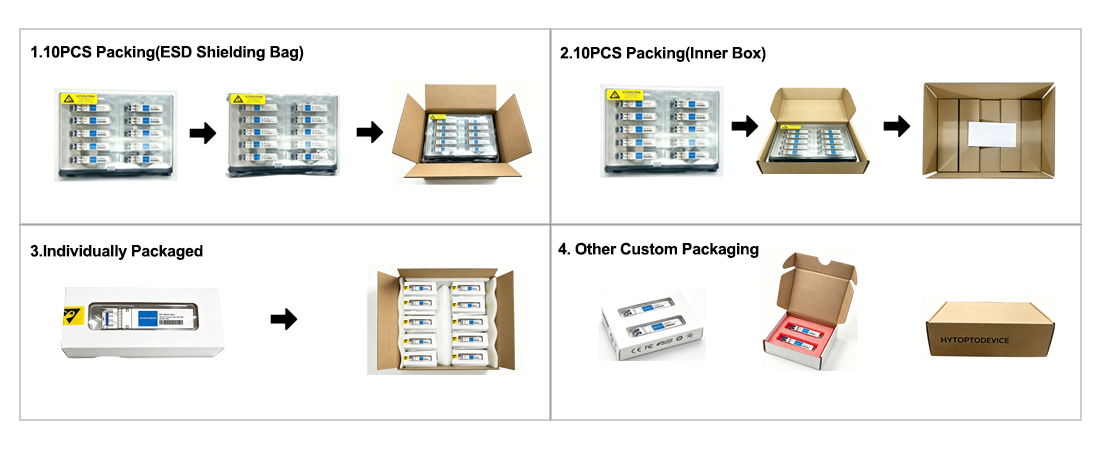
Packaging Options & Custom‑Packaging Solutions
Every transceiver module gets reliable ESD‑safe packaging out of the box. Standard packing is ready for immediate shipment, while custom‑printed packaging with your logo is available for bulk orders.
Why Network Engineers Choose HYTOPTODEVICE