Q1: How do I distinguish between an optical power issue and a hardware failure on Arista switches?
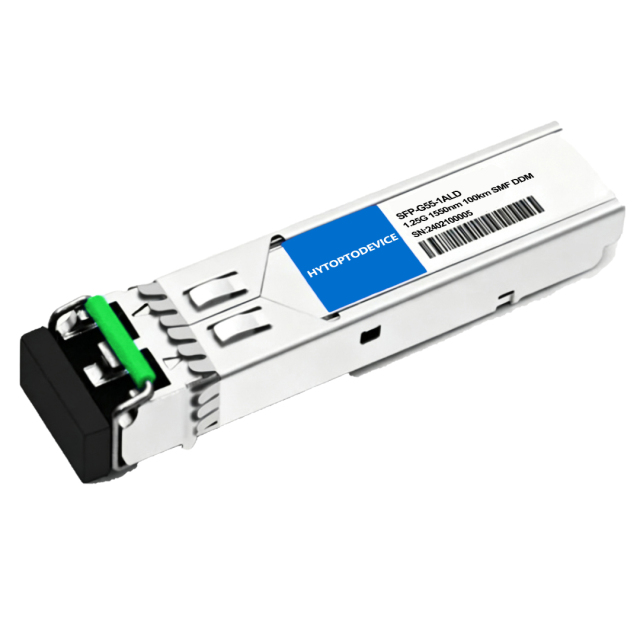
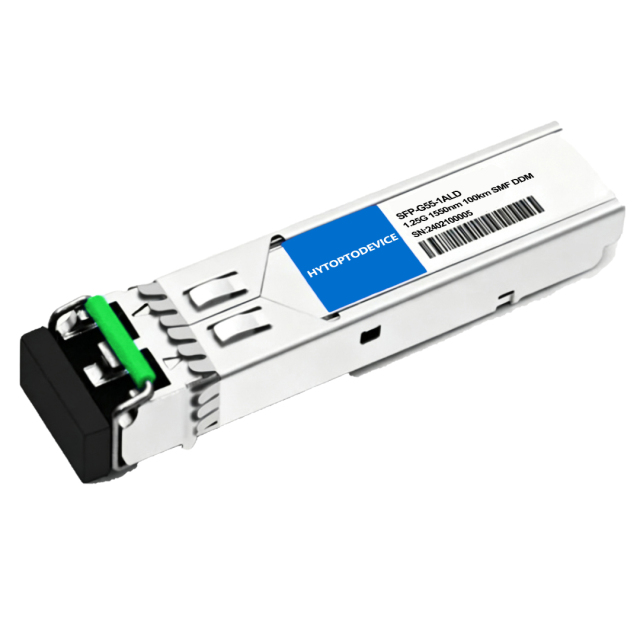
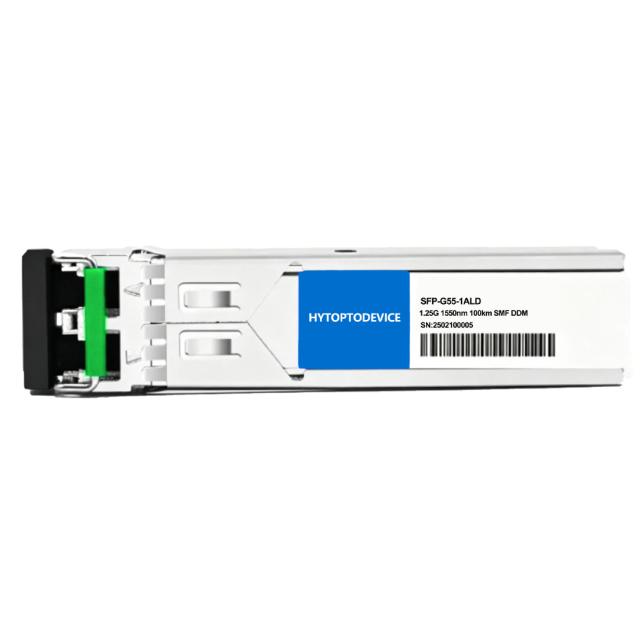
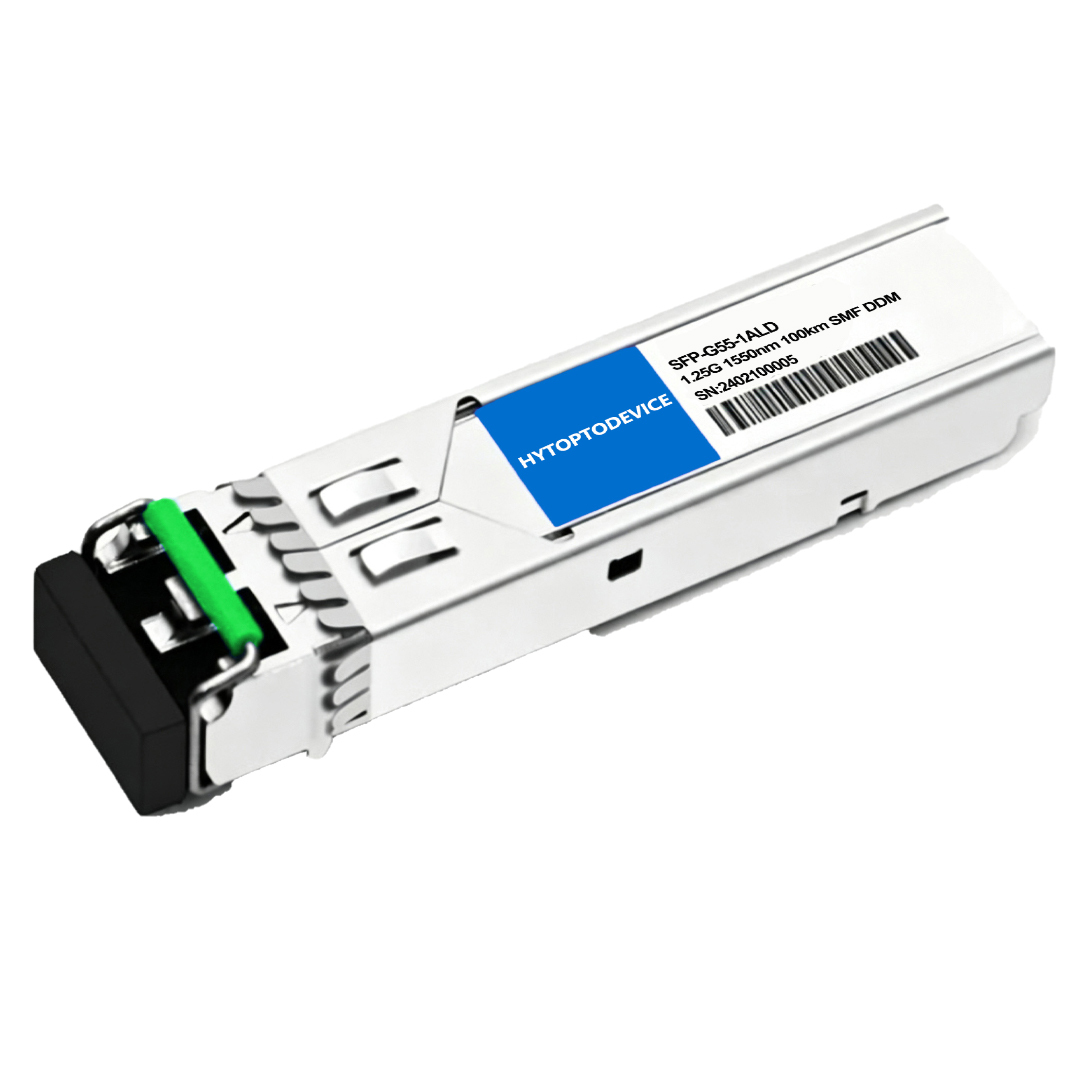
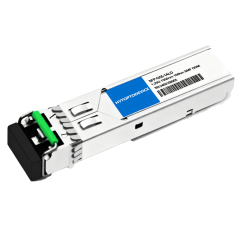
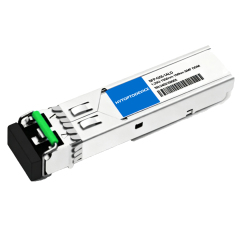
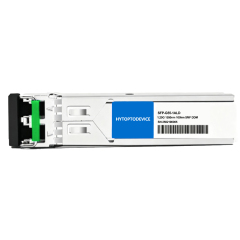
A: For Arista SFP-1G-EZX-100 compatible optical transceivers, judge faults via DDM data: fluctuating optical power usually indicates dirty ports, faulty patch cords or fiber attenuation. Constant zero power, unrecognized module status and persistent system alarms confirm SFP hardware failure, enabling fast troubleshooting for 100km long-haul links.
Q2: What should I do if the Arista compatible SFP module feels loose or difficult to latch into the slot?
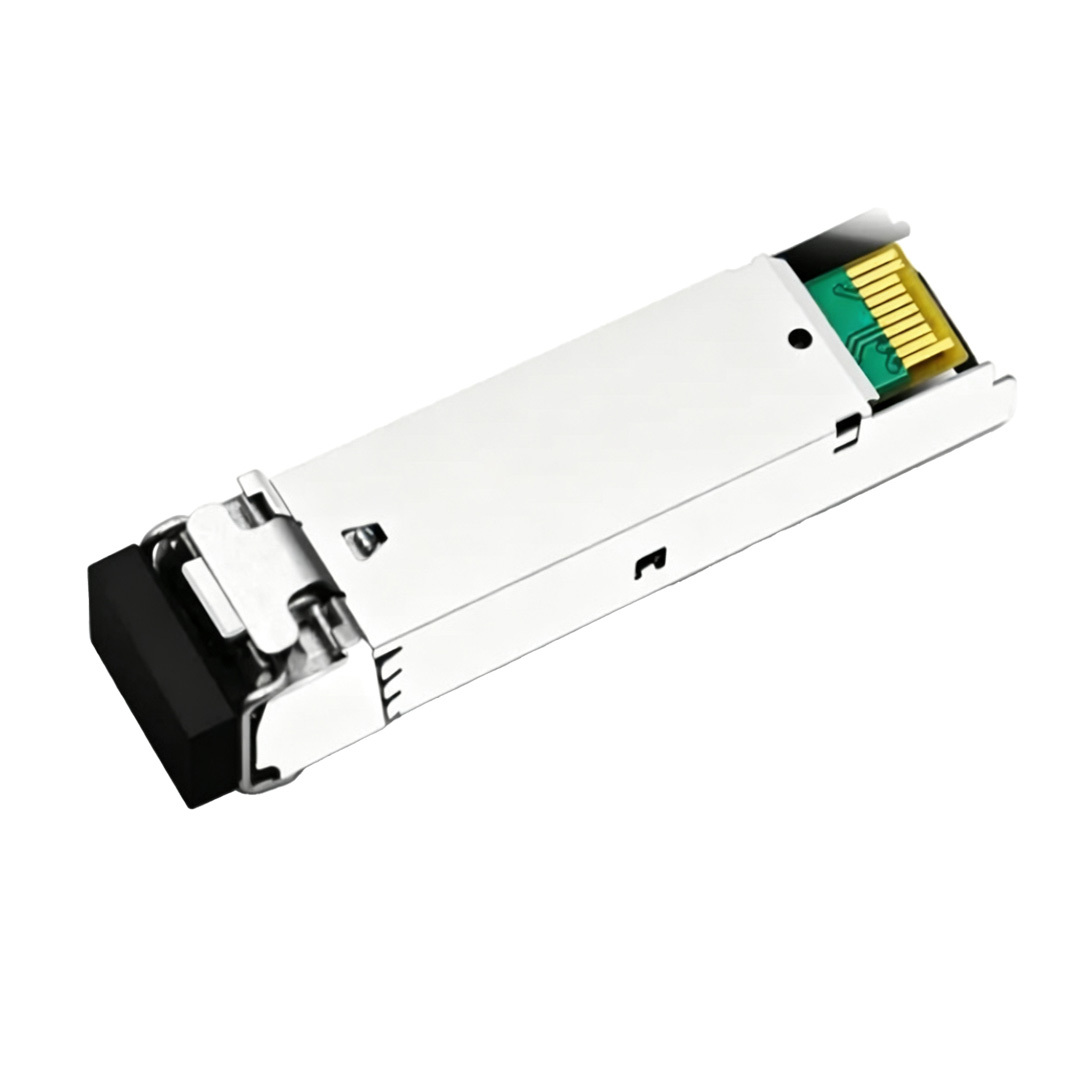
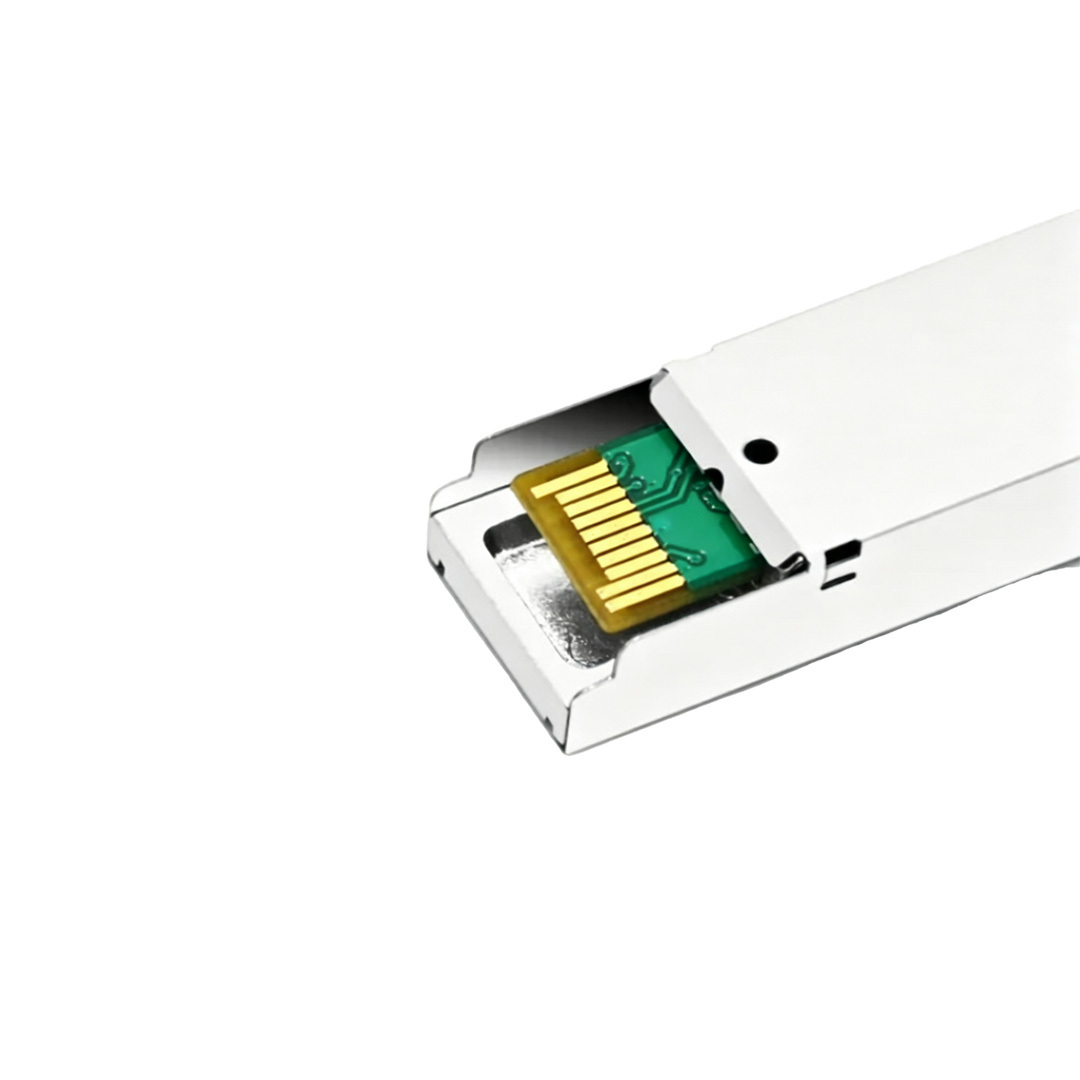
A: Loose or stuck installation of Arista 1000BASE-EZX optical transceivers is commonly caused by slot dust or misaligned insertion. Clean the switch slot contacts, insert the 100km SFP vertically until a firm click is heard, and avoid forced plugging to prevent physical damage to modules and ports.
Q3: How durable is the bail latch mechanism on 100km Arista optical transceivers under repeated extractions?
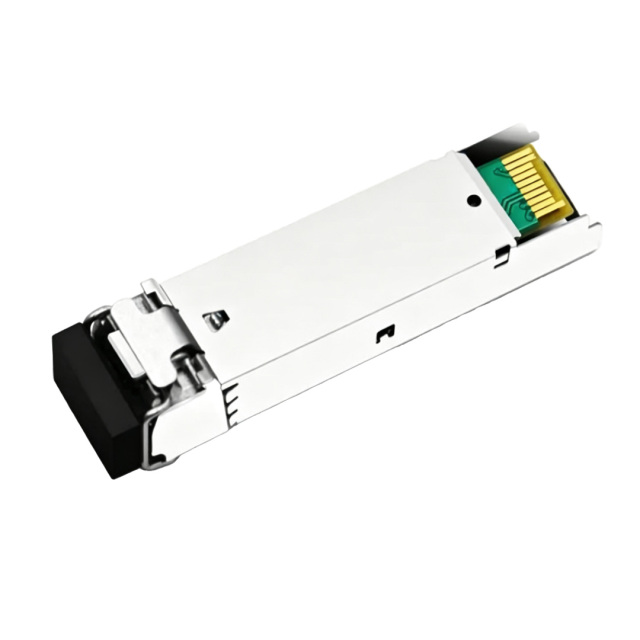
A: The bail latch of our Arista compatible 100km optical transceiver adopts high-strength materials, supporting frequent repeated plugging and unplugging. Rigorous factory durability tests ensure stable latching performance, effectively preventing poor contact and intermittent link drops during daily network maintenance.
Q4: Why is my optical patch cord not clicking securely into the LC port of the Arista EZX transceiver?
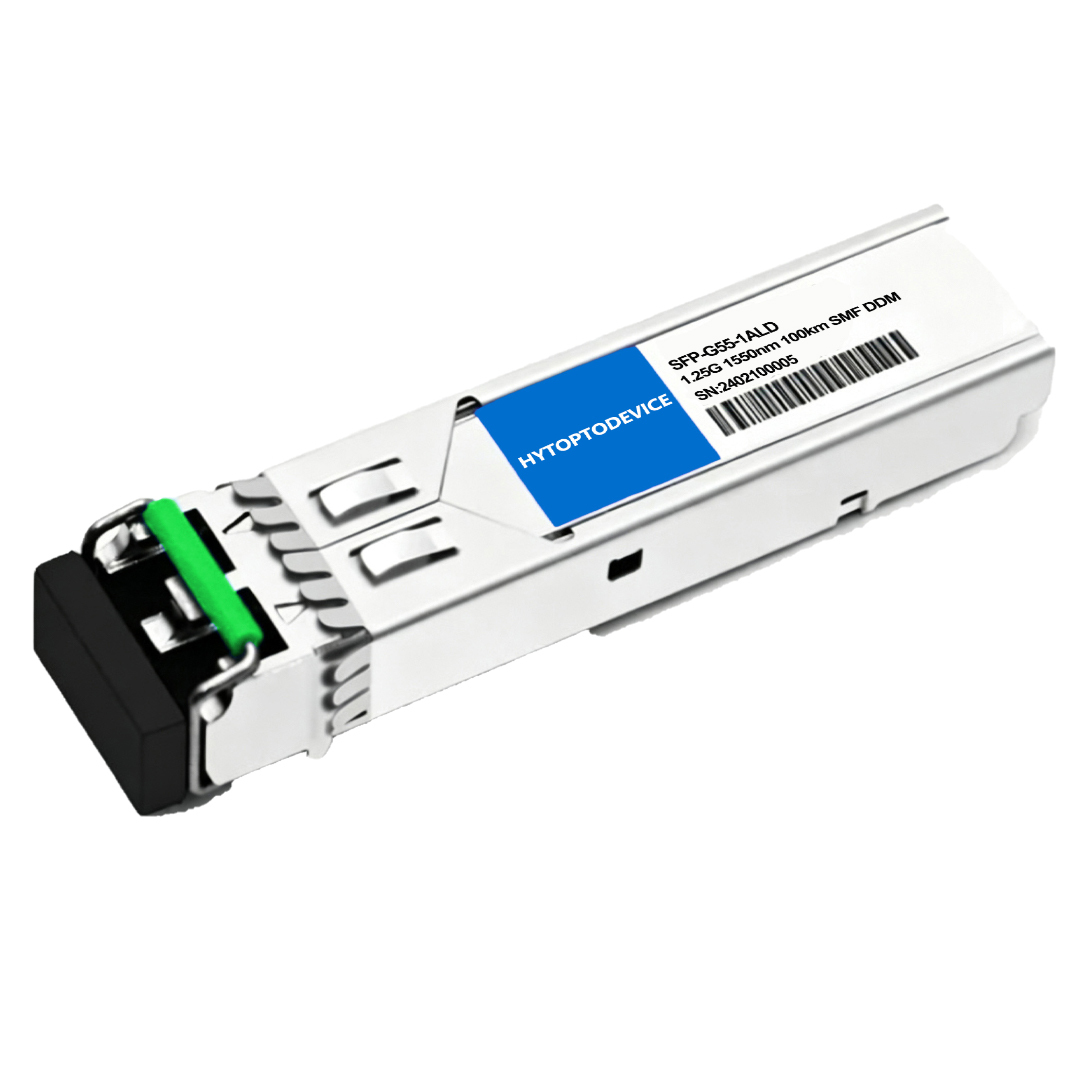
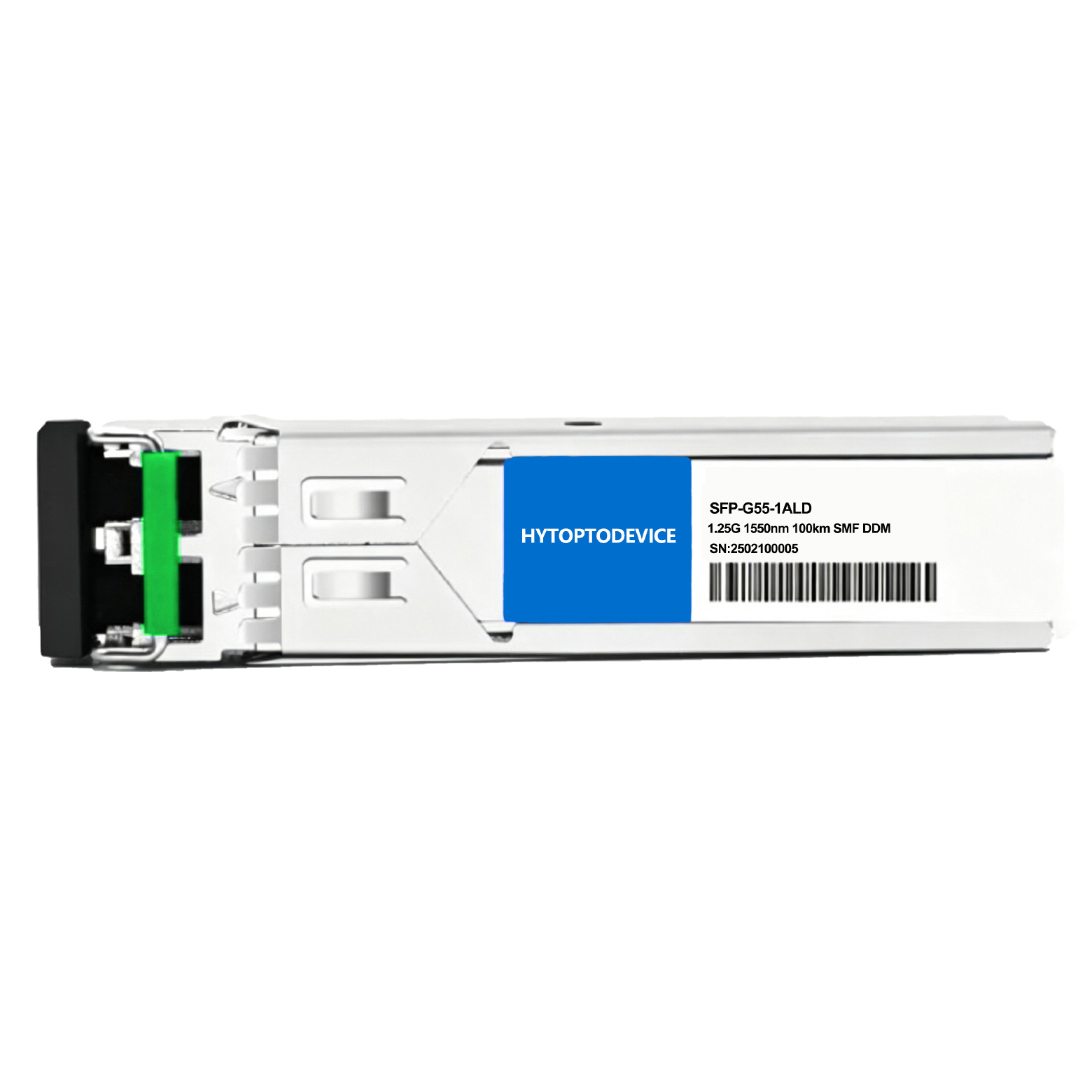
A: Unsecured LC connections for Arista SFP-1G-EZX-100 optical transceivers stem from worn patch cords, dirty ports or mismatched APC/UPC end faces. This 1550nm 100km optical transceiver only supports UPC jumpers; clean ports and replace aging cords to ensure tight, stable connections.
Q5: Does physical housing variance of third-party optical transceivers affect Arista high-density switch layouts?
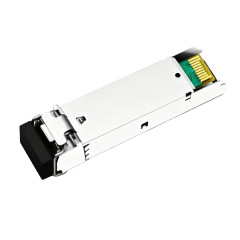
A: Our Arista 1000BASE-EZX optical transceiver strictly complies with MSA standard dimensions. Uniform housing size ensures zero spacing conflicts and smooth installation on high-density Arista switches, maintaining normal heat dissipation and stable operation of densely deployed 100km long-haul modules.
Q6: What happens if the 100km SFP optical transceiver overheats inside Arista high-density switches?
A: Overheating of Arista compatible 100km optical transceivers causes wavelength drift, reduced optical power and packet loss, with severe cases triggering port shutdown. Optimized heat dissipation design effectively avoids overheating faults in high-density switch environments for stable long-haul transmission.
Q7: How does low ambient temperature affect cold-start operation of Arista EZX optical transceivers in outdoor cabinets?
A: Ultra-low temperatures may weaken laser performance of ordinary long-haul modules. Our Arista SFP-1G-EZX-100 optical transceiver undergoes professional low-temperature calibration, ensuring reliable cold-start performance and consistent 100km transmission quality in outdoor cabinet low-temperature scenarios.
Q8: How can I protect Arista 100km optical transceivers in high-humidity or coastal environments?
A: High humidity and coastal salt fog corrode SFP ports and laser components. Protect Arista 1000BASE-EZX optical transceivers with sealed cabinets and port dust caps, or choose industrial-grade customized modules to extend service life in harsh outdoor network environments.
Q9: Will installing multiple adjacent 100km SFPs cause localized hot spots in an Arista switch panel?
A: Dense arrangement of high-power long-haul modules may accumulate heat locally. Our Arista compatible 100km optical transceivers adopt low-power chips and efficient heat dissipation, avoiding hot spots and ensuring stable long-term operation in densely deployed switch panels.
Q10: What should I do if SFP DDM optical power readings differ from external power meter measurements?
A: Minor DDM data deviation is normal due to different test standards. Large discrepancies are caused by dirty ports, aging jumpers or uncalibrated modules. Our Arista SFP-1G-EZX-100 optical transceiver features high-precision calibration for accurate real-time DDM monitoring on 100km fiber links.
Q11: Can DDM monitoring trigger automated system alerts before total link failure on Arista networks?
A: Yes. The full DDM function of our Arista compatible optical transceiver supports threshold early warnings for optical power, temperature and voltage. It matches Arista network systems to trigger automated alerts, realizing pre-warning of 100km link faults and reducing network outage risks.
Q12: Why are DDM readings delayed or slow to update in Arista network management tools?
A: DDM update delays relate to switch polling frequency and system bandwidth. Our Arista 1000BASE-EZX optical transceiver optimizes data output efficiency, matching Arista device protocols to ensure timely, real-time DDM data for long-haul network operation and maintenance.
Q13: Is DDM monitoring fully functional on third-party Arista compatible optical modules?
A: Yes. Our third-party Arista SFP-1G-EZX-100 optical transceiver retains complete standard DDM functions, supporting real-time monitoring of power, temperature and voltage. All data is fully compatible with Arista management platforms without functional attenuation on 100km links.
Q14: Why do some low-cost 100km optical modules fail after months of continuous use?
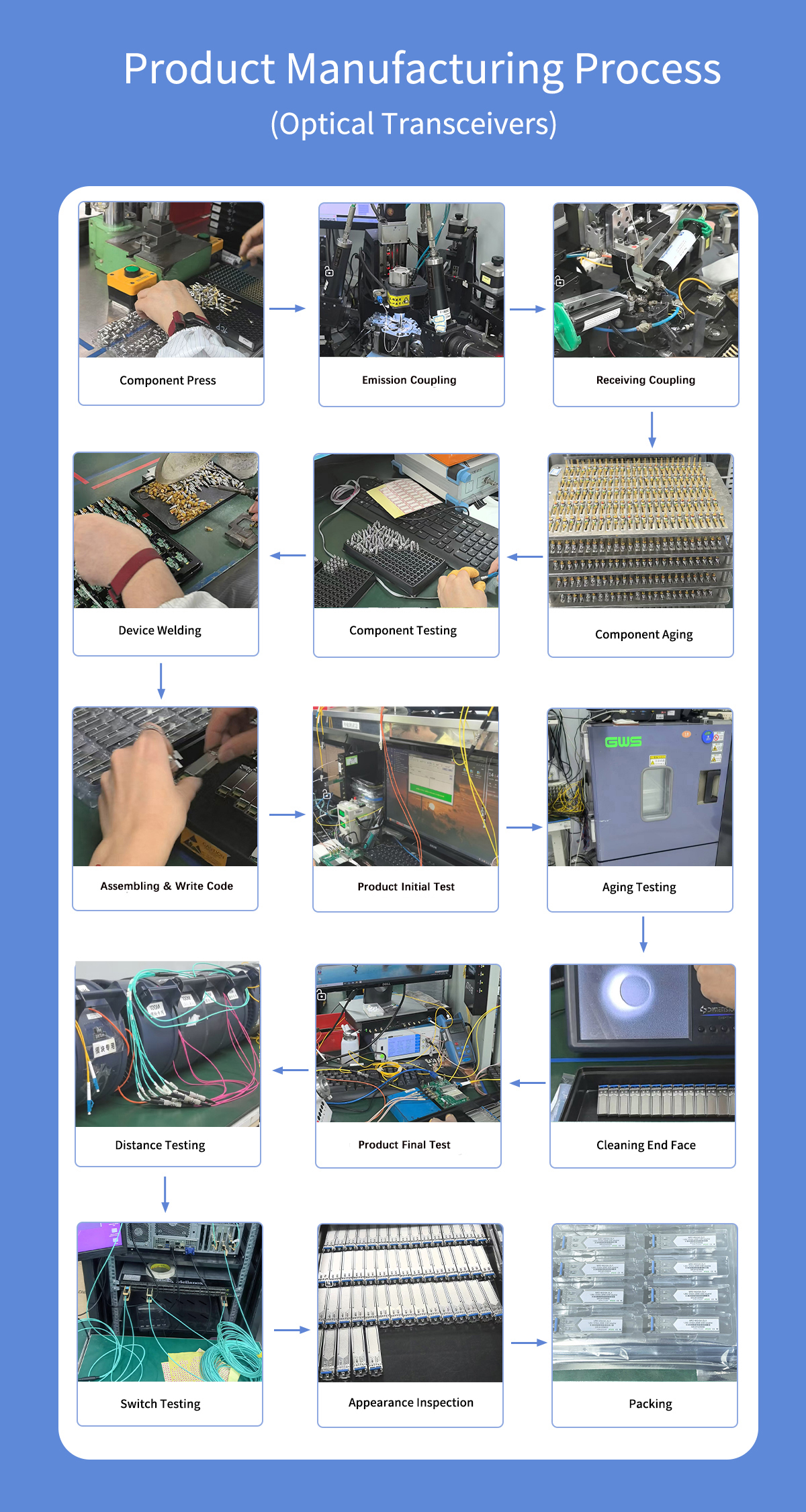
A: Low-cost long-haul modules use uncalibrated lasers and poor heat dissipation structures, prone to aging and laser decay after long-term operation. Our Arista compatible optical transceivers undergo strict aging and calibration, supporting stable 24/7 operation for enterprise 100km backbone networks.
Q15: How sensitive are 100km SFP optical transceivers to Electrostatic Discharge (ESD)? A: 100km 1550nm long-haul optical transceivers are susceptible to ESD damage, which can burn laser chips and cause link failure. Our Arista SFP-1G-EZX-100 modules adopt built-in ESD protection circuits, resisting static interference during installation and ensuring stable long-distance network operation.
Packaging Options & Custom‑Packaging Solutions
Every transceiver module gets reliable ESD‑safe packaging out of the box. Standard packing is ready for immediate shipment, while custom‑printed packaging with your logo is available for bulk orders.

Why Network Engineers Choose HYTOPTODEVICE