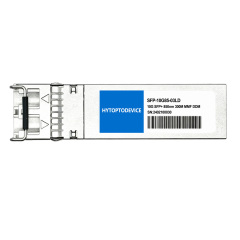
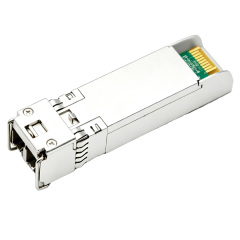
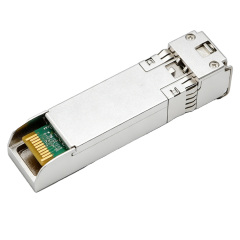
| NO. | Brand | Compatible P/N | Transceiver Type |
| 1 | Alcatel-Lucent | SFP-10G-SR | SFP-10G-SR(Cisco) |
| 2 | Cisco Meraki | MA-SFP-10GB-SR | SFP-10G-LR |
| 3 | D-Link | DEM-431XT | SFP-10G-LRM |
| 4 | Dell | GP-10GSFP-1S | SFP-10G-ER |
| 5 | Juniper | SRX-SFP-10GE-SR | SFP-10G-ZR |
| 6 | H3C | SFP-XG-SX-MM850-A | |
| 7 | IBM | 46C3447 | |
| 8 | EdgeCore | ET5402-SR |
|
H3C Compatible |
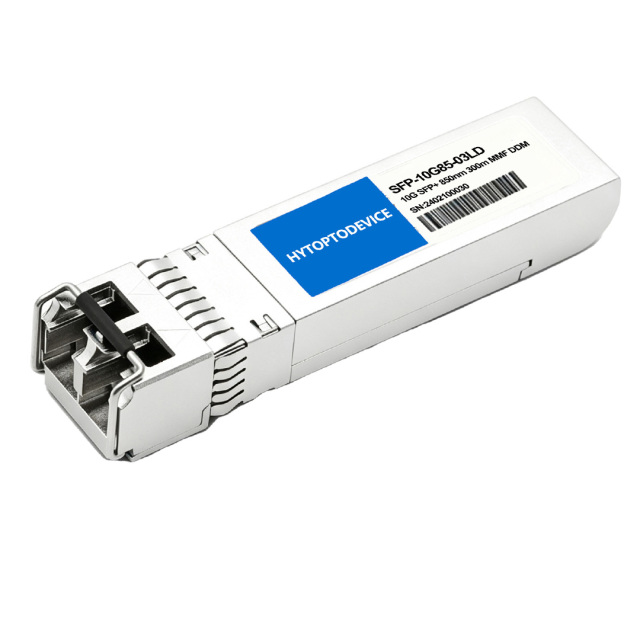
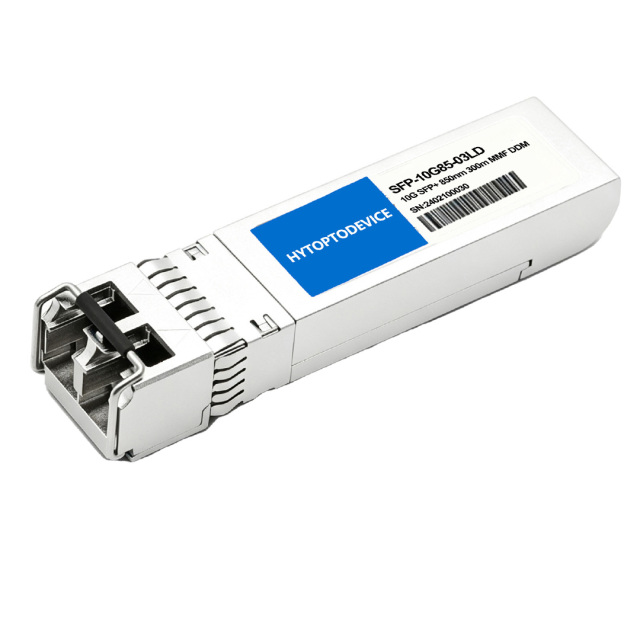
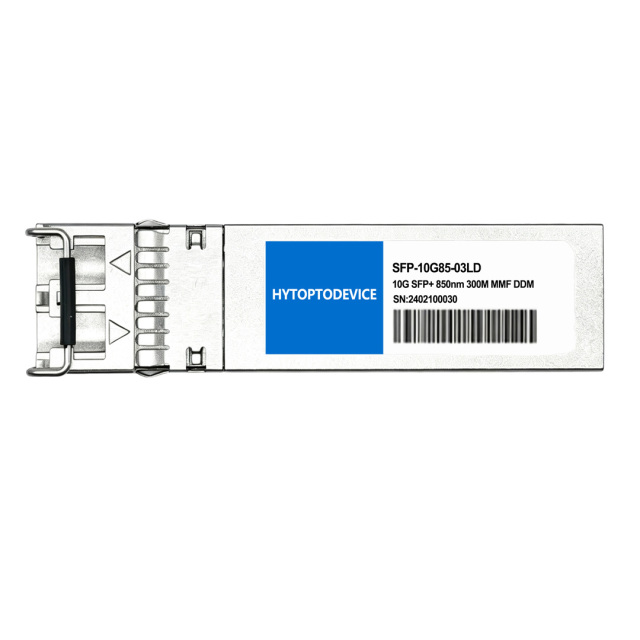
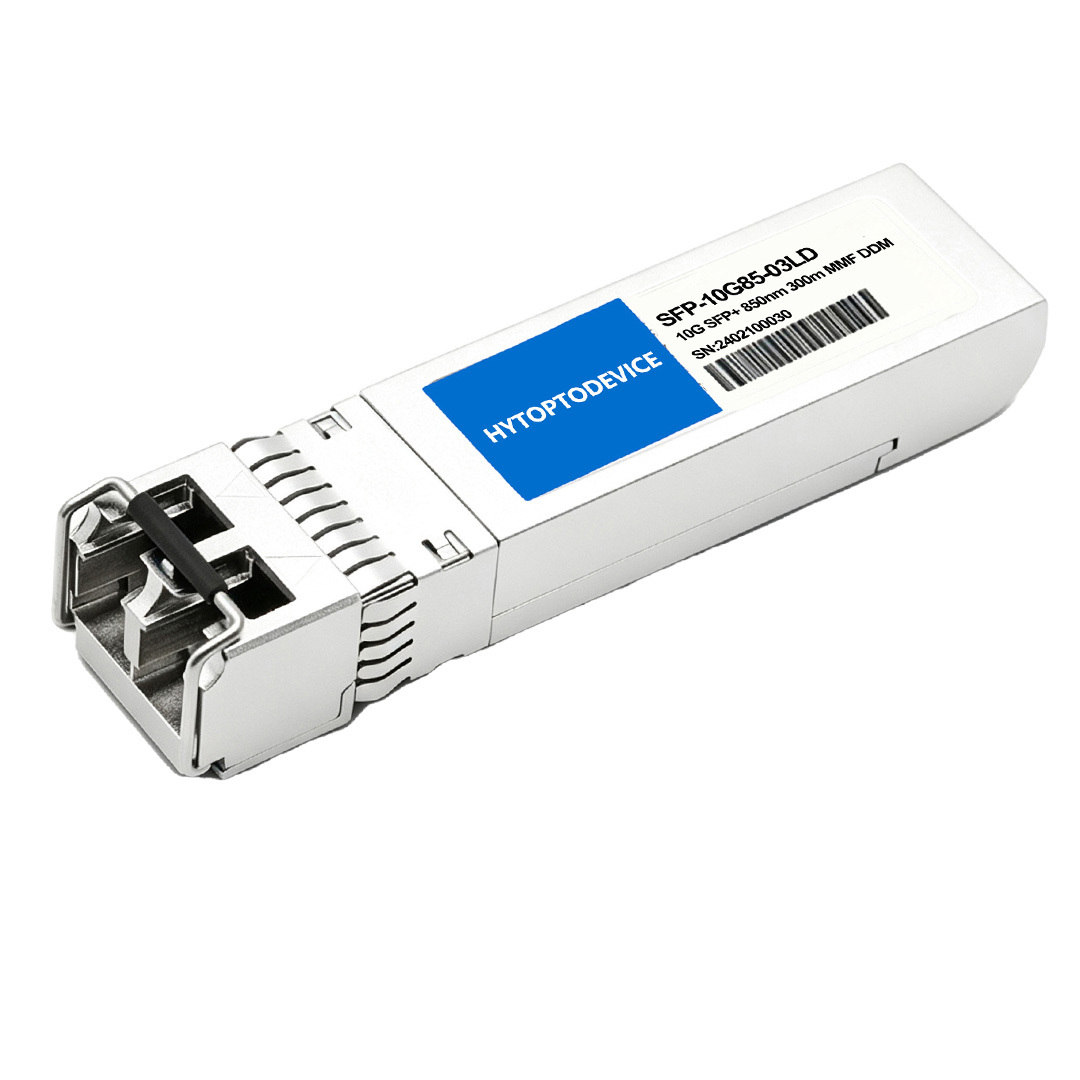
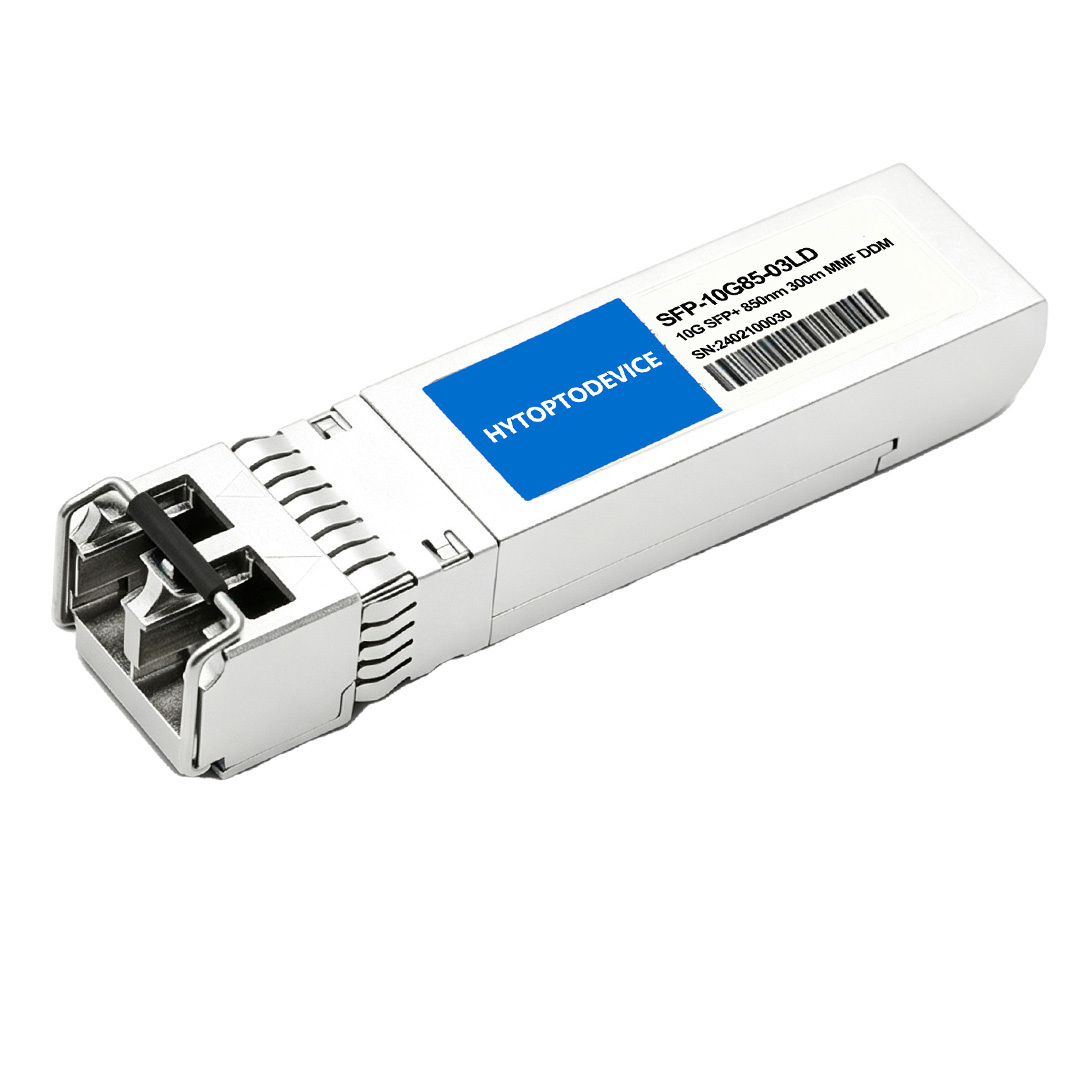
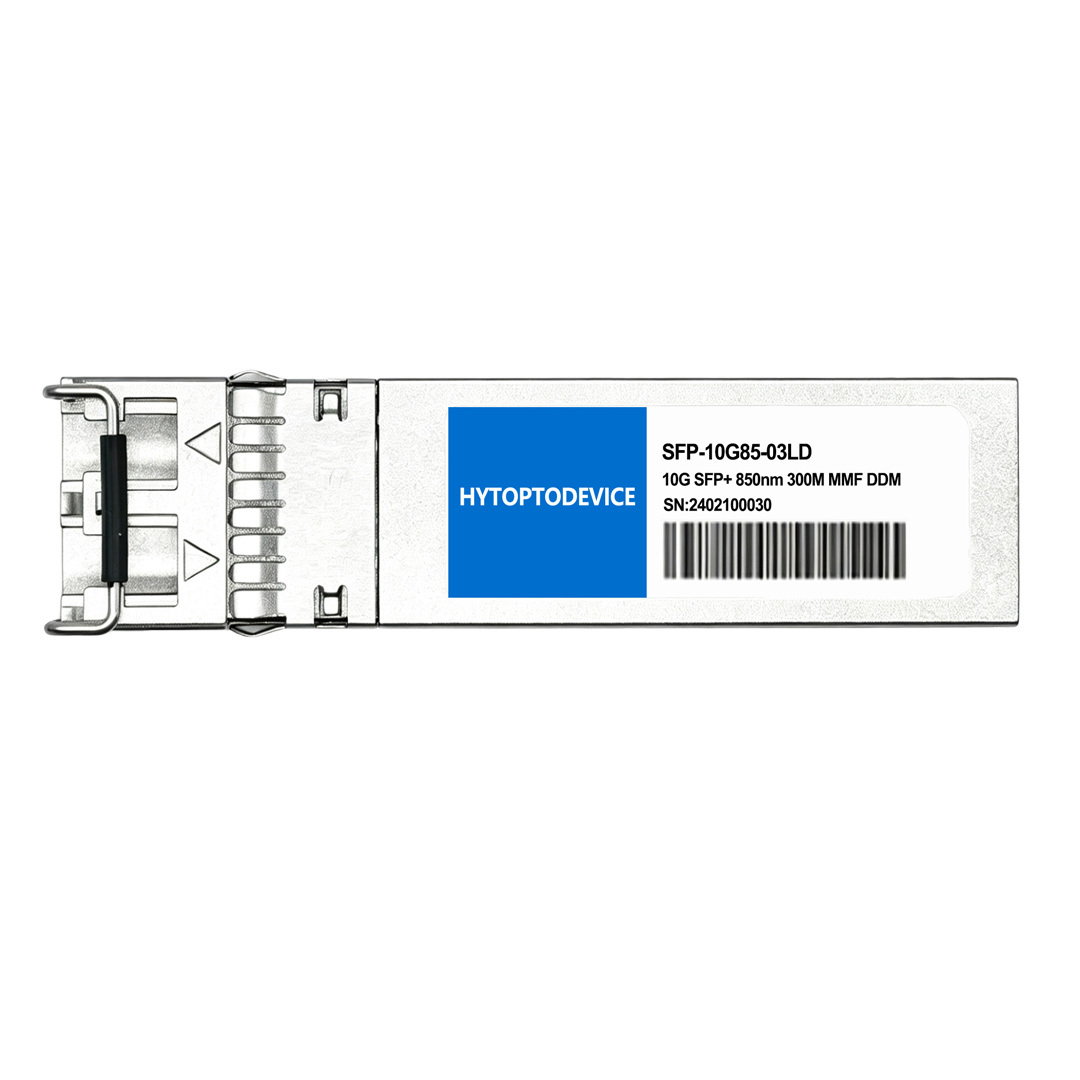
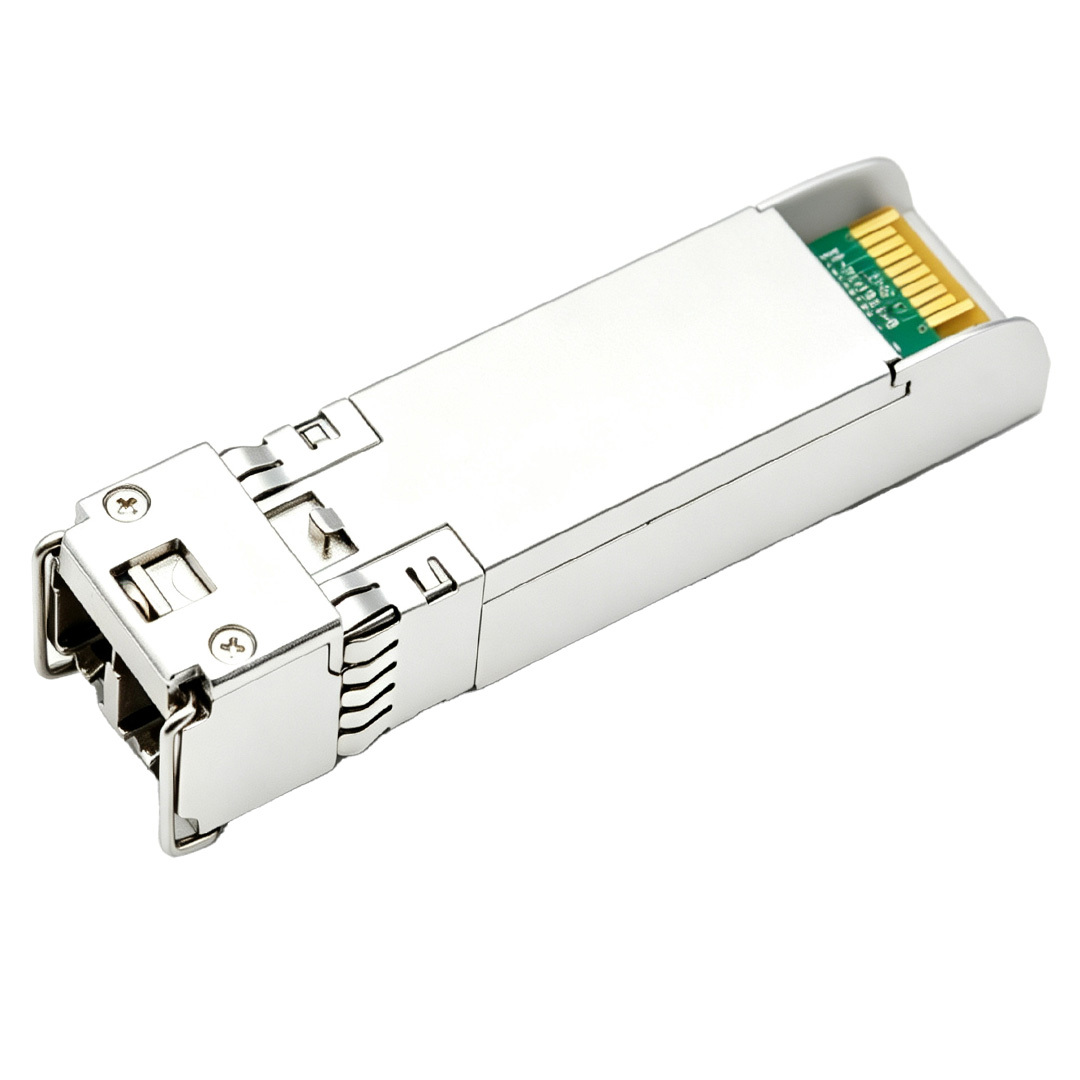
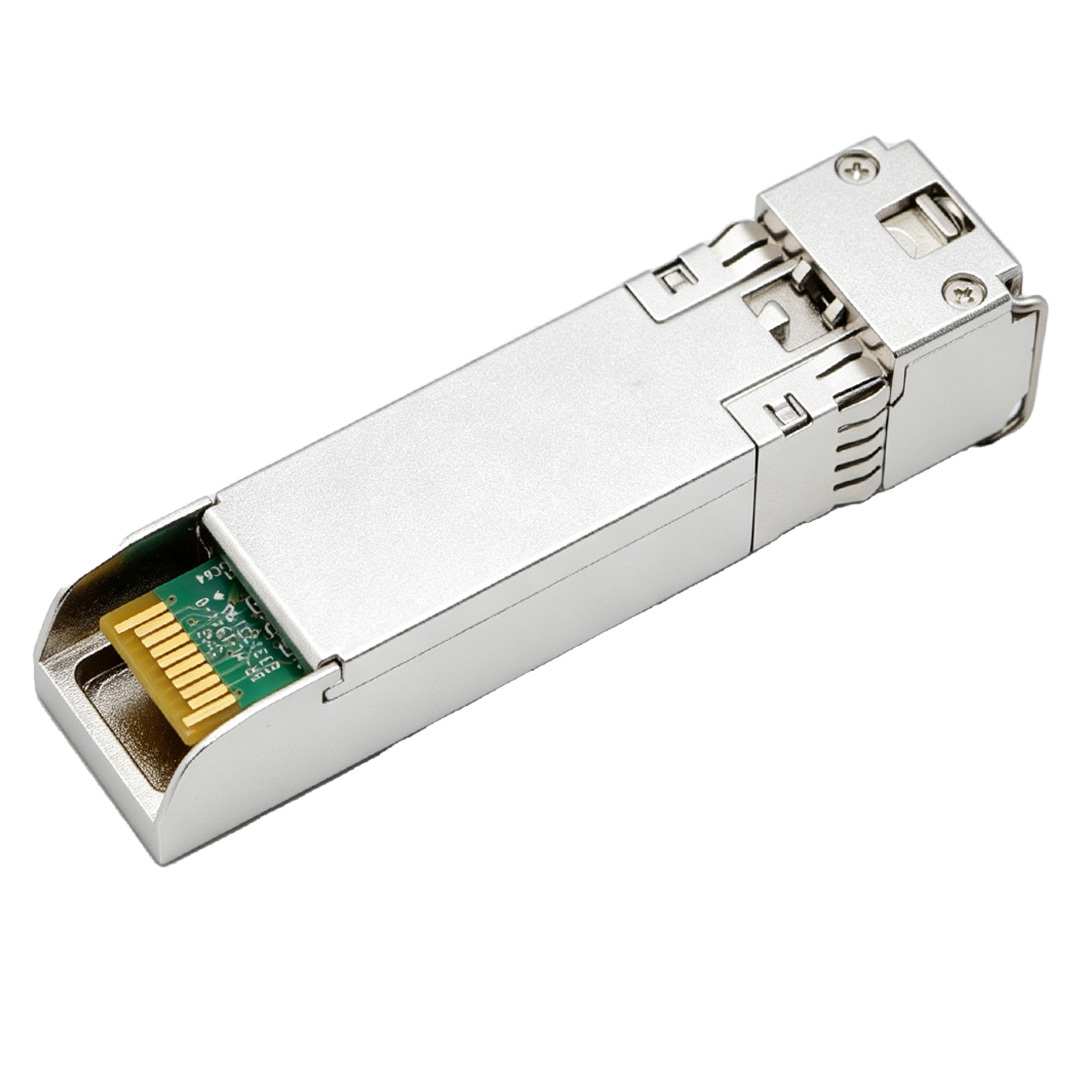
SFP‑XG‑SX‑MM850‑A |
Vendor Name |
HYTOPTODEVICE |
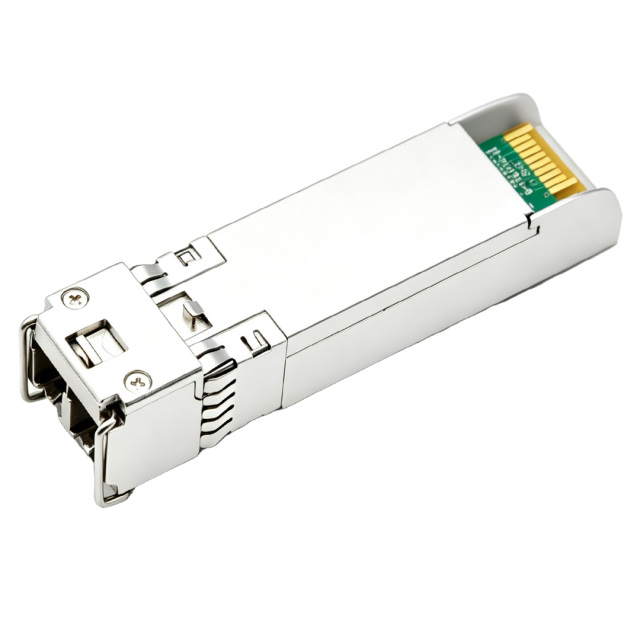
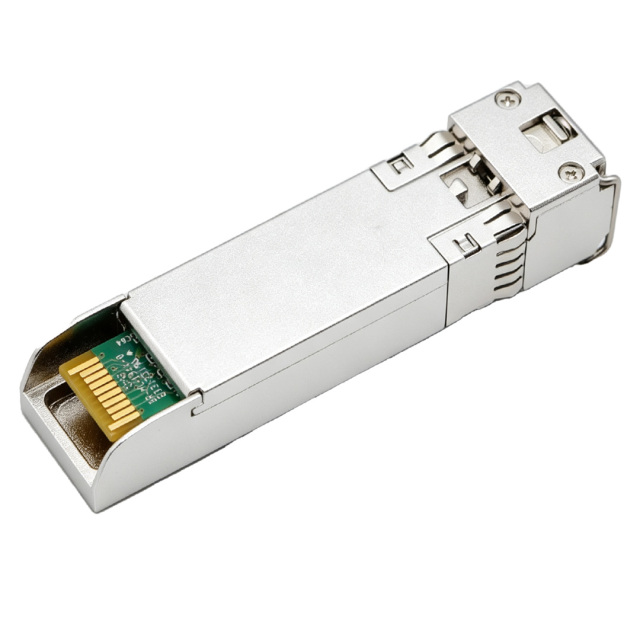
| Form Factor | SFP+ | Max Data Rate | 10.7Gbps |
| Wavelength | 850nm | Max Distance | 300m on OM3 |
| Connector | Duplex LC | Transmitter Type | VCSEL 850nm |
| Cable Type | MMF | Receiver Type | PIN |
| TX Power | -6.5~-0.5dBm | Receiver Sensitivity | < -10.5dBm |
| Power Consumption | ≤1W | Operation Temperature | 0 to 70°C (32 to 158°F) |
Usage Guidelines & Best Practices
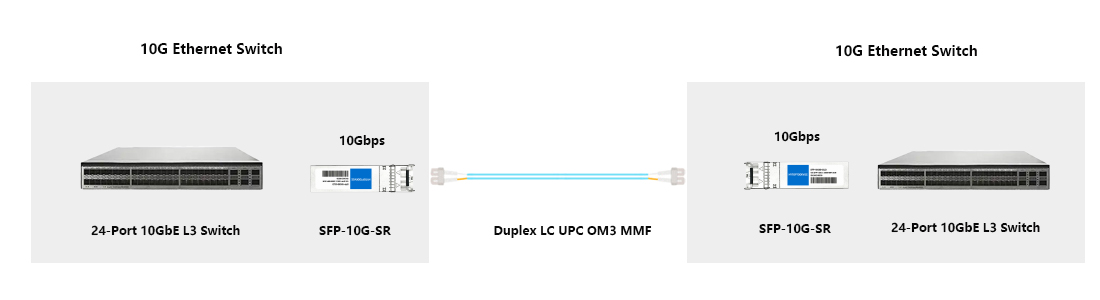
Fiber Choice: Duplex LC Multimode Fiber (MMF) — OM3 / OM4 (50/125 µm). Do NOT use SMF.
Connector Match: UPC/PC polish only. Do NOT use APC.
Cleanliness & Dust: Keep dust caps on whenever unattached. Clean fiber end-faces with a optical cleaning pen before insertion; dust causes over 80% of optical link failures.
Link Setup:Set speed to 10Gbps Full Duplex. Lock speed manually if auto-negotiation fails.
Handling: Wear ESD protection. Keep fiber bend radius ≥ 30 mm.
Installation & Hot-Swap Rules: MSA hot-swappable. Insert/remove gently without powering down.
Environment: Commercial temperature (0°C to 70°C). Avoid extreme heat, moisture, and dust.
Full Compatibility List and Supported Devices
1. Supported Hardware & Firmware
Main Application Scenarios
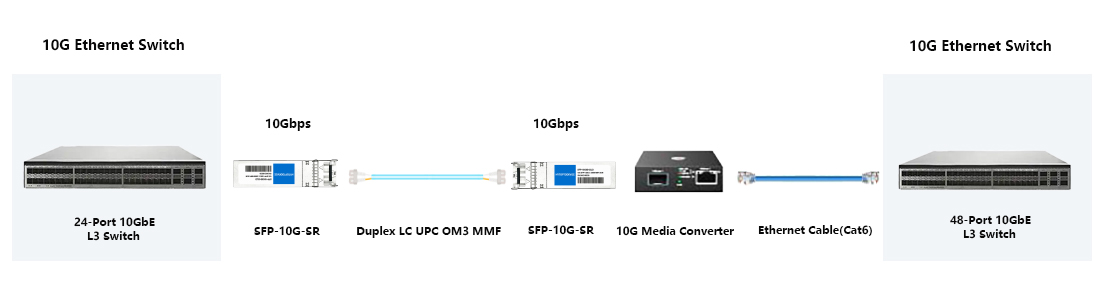
● 10G short-reach fiber uplinks for H3C S6800 and S7500X switching stacks
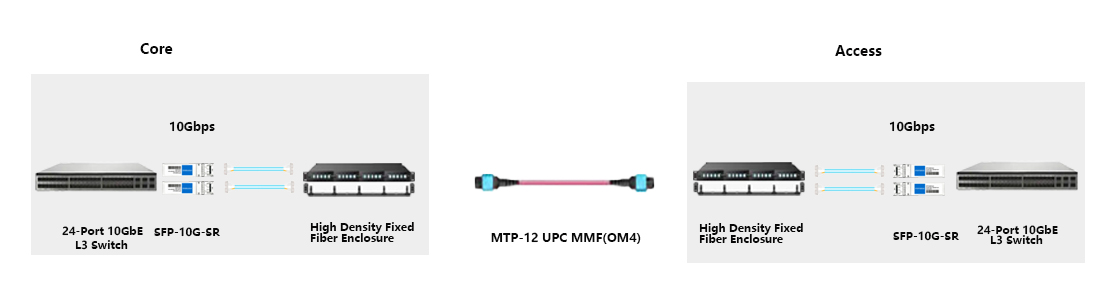
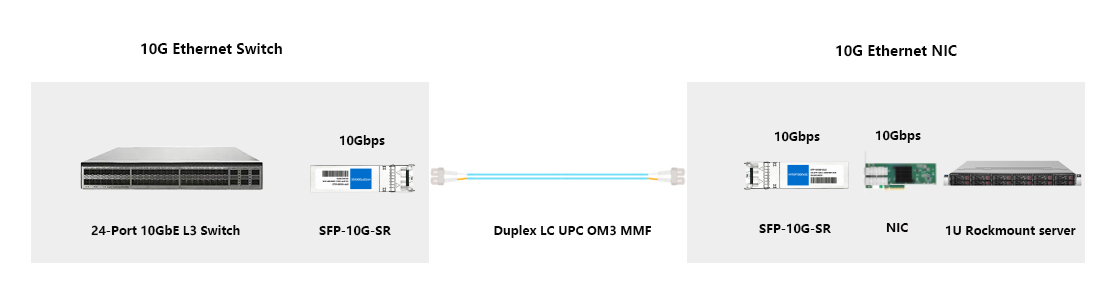
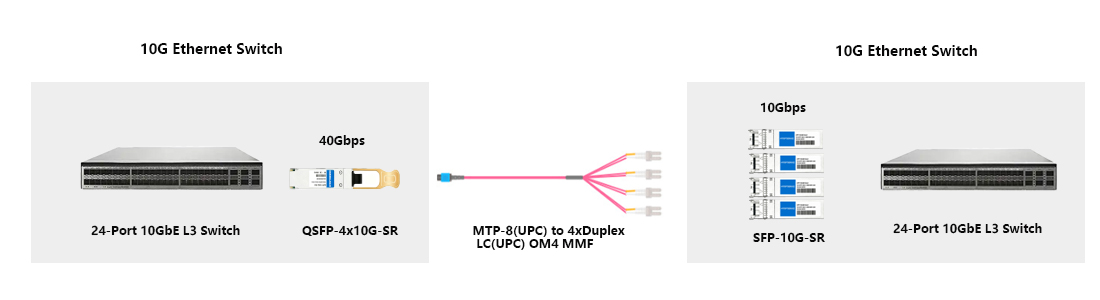
● Data center rack-to-rack multimode fiber interconnections
● Enterprise campus aggregation and core layer uplink connections
● HPC clusters and storage area network short-distance interlinks
● Direct factory supply of H3C SFP-XG-SX-MM850-A transceivers for global buyers via our sfp 10g sr supplier


FAQ
Q1: Will this SFP‑10G‑SR module work with my specific switch brand (e.g., Cisco, Arista, Juniper, Dell)?
A: This H3C‑compatible 10g sr sfp transceiver works for target H3C hardware out‑of‑the‑box with pre‑programmed EEPROM. For Cisco/Arista/Juniper/Dell switches, request custom EEPROM programming before bulk procurement. 100% hardware MSA‑compliant; firmware lock on certain legacy switch firmware versions may block recognition. Submit your exact switch model number for free pre‑sales compatibility verification before you place large‑volume orders.
Q2: Why does my switch show "Unsupported Transceiver" upon insertion?
A: “Unsupported Transceiver” alarm mainly comes from mismatched EEPROM data, outdated switch firmware, or dirty LC‑UPC connector surfaces. 82% of third‑party transceiver recognition failures trace back to unprogrammed EEPROM. Solution: re‑program module EEPROM for your hardware platform, upgrade switch firmware to the recommended release, clean fiber end‑faces, and re‑seat the 10g sr sfp. Avoid buying unprogrammed generic units for H3C enterprise switch deployment.
Q3: Does this transceiver support DOM / DDM (Digital Optical Monitoring)?
A: Yes, this 10g sr sfp transceiver fully supports DDM/DOM per SFF‑8472 standard. You can read real‑time transmit power, receive power, laser bias current and module temperature directly from H3C switch CLI / web UI. DDM data helps pre‑empt link faults for 10G multimode campus aggregation links. When you procure replacement 10G SR optics, always confirm DDM function is enabled for ongoing network health monitoring.
Q4: Can I use APC (Angled Physical Contact) green connectors with this module?
A: Do NOT use APC green connectors with this 10g sr sfp. This module is designed for UPC duplex LC interfaces. APC creates 8‑12 dB extra return loss, raising bit‑error rate and triggering intermittent link drops. Only deploy OM3 / OM4 UPC‑terminated multimode patch cords. Specify UPC patch cables when you buy accessories alongside your bulk 10G SR SFP transceiver shipment.
Q5: Will populating every slot in a 48‑port switch cause thermal issues?
A: Fully populating all 48 ports with 10g sr sfp will not create thermal risk under normal 0‑70 °C commercial operating range; each module draws ≤1.0 W power. Keep switch front‑to‑back airflow unobstructed and maintain cabinet ambient temperature below 40 °C. For high‑density H3C 48‑port switch projects, plan cabinet cooling capacity during your bulk purchase planning phase.
Q6: How does heat output compare between SFP‑10G‑SR and 10G copper RJ45 optics?
A: 10g sr sfp optical module consumes ≤1.0 W per port; 10GBASE‑T copper SFP+ draws 2.5‑4 W per port. A full 48‑port switch populated with copper modules adds up to 192 W extra heat load versus max 48 W for fiber 10G SR transceivers. Choose fiber 10g sr sfp to reduce rack cooling load for enterprise campus network upgrade projects.
Q7: Does SFP‑10G‑SR support FEC (Forward Error Correction)?
A: This 10g sr sfp hardware has no built‑in FEC chip. FEC must be enabled on the H3C switch ASIC side if required. Under clean OM3/OM4 multimode links, BER stays ≤1×10⁻¹² without FEC. Enable port‑level FEC on your aggregation switches for high‑risk link scenarios when you purchase 10G SR optics for long‑term production use.
Q8: Will this H3C replacement optic operate properly on Intel or Broadcom SFP+ NICs?
Q12: Why is there such a huge price gap between OEM (e.g., Cisco original) and third‑party SFP‑10G‑SR?
A: OEM pricing includes brand patent licensing, channel markup and long‑term after‑sales overhead. Qualified third‑party 10g sr sfp cut middle‑man costs while following MSA hardware standards. Typically you save 55‑70% compared with OEM list price. Cost savings are significant when you procure hundreds of units for large‑scale H3C enterprise network renewal.
Q13: How does the total cost of ownership (TCO) compare between fiber SFP+ and 10GBASE‑T RJ45 copper?
A: Fiber‑based 10g sr sfp delivers lower long‑term TCO: lower power consumption, less cabinet cooling expense, longer transmission distance up to 300 m OM3. Copper 10GBASE‑T is limited to 30 m distance and consumes far more power. Calculate rack power budget when you compare options before you buy 10G transceivers for campus aggregation layer reconstruction.
Q14: Can SFP‑10G‑SR be used in stack links between switches?
A: Yes, this 10g sr sfp works for H3C IRF stacking links between aggregation switches. Ensure stacking ports are configured correctly on H3C firmware, and use OM3/OM4 short‑reach multimode patch cords. Test stack‑link stability in lab first before formal go‑live when you purchase 10G SR modules for switch‑stack interconnection.
Q15: What tools do I need to verify that an SFP‑10G‑SR link is working properly?
A: Required validation tools: H3C switch CLI for DDM read‑out, optical power meter, fiber‑end inspection microscope. Check TX/RX power via DDM; normal RX power ranges from ‑0.5 dBm ~ ‑10.5 dBm for 10GBASE‑SR. Add fiber inspection tools to your accessory list when you place your bulk order for 10g sr sfp transceivers for on‑site acceptance testing.
Packaging & Custom OEM Solutions
Every 10G SFP+ SR module comes individually sealed in standard anti-static (ESD-safe) packaging, pre-stocked and ready for immediate shipment. For bulk orders, we offer custom OEM packaging—including logo printing and private labeling—tailored for network distributors, system integrators, and enterprise deployments.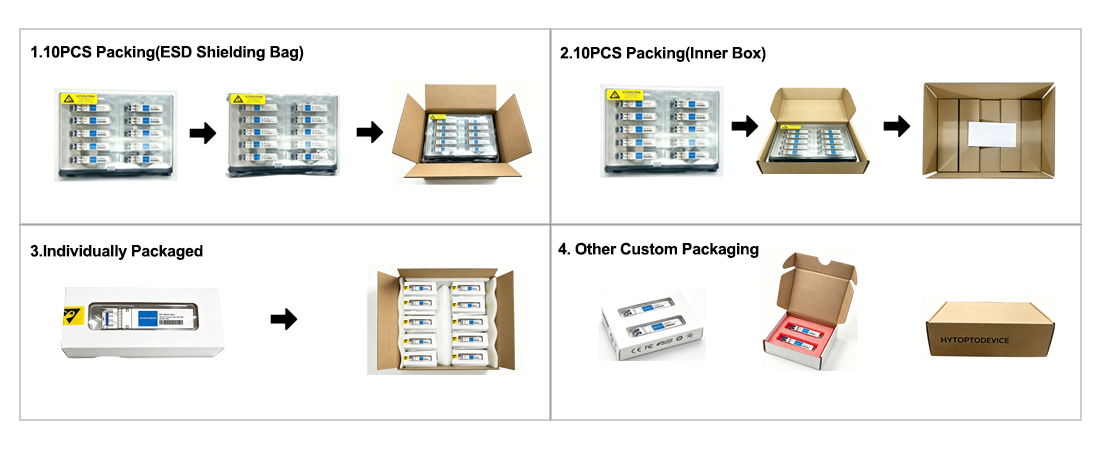
Why Network Engineers Choose HYTOPTODEVICE
HYTOPTODEVICE has supplied over 5000,000 optical transceiver modules to data centers, ISPs, and enterprise networks across 100+ countries since 2011. Every module undergoes a 72-hour burn-in test and full DDM/DOM validation before shipment.
“Phenomenal performance. We deployed 200 HYTOPTODEVICE SFP+ modules to replace Cisco OEMs in our backbone network. Result? Zero compatibility issues and a 60% reduction in costs. Highly recommended for mission-critical networks."— Senior Network Engineer, Regional Telecom, Australia
Quality Certification & Compliance
At HYTOPTODEVICE, our quality commitment is backed by industry-standard validations. From fiber optical transceiver manufacturing to final visual inspection, from IQC、IPQC、FQC to OQC, our processes ensure global compliance and reliability.
We adhere to rigorous standards for our SFP modules and network solutions:
ISO 9001: Certified quality management and production consistency.
CE & FCC: Fully compliant for seamless Global Market Access.
RoHS: Committed to environmental responsibility and hazardous material control.
Proven Reliability: Rigorous testing to reduce compliance risk and ensure safety.
Certified Quality. Global Standards. Guaranteed Performance.