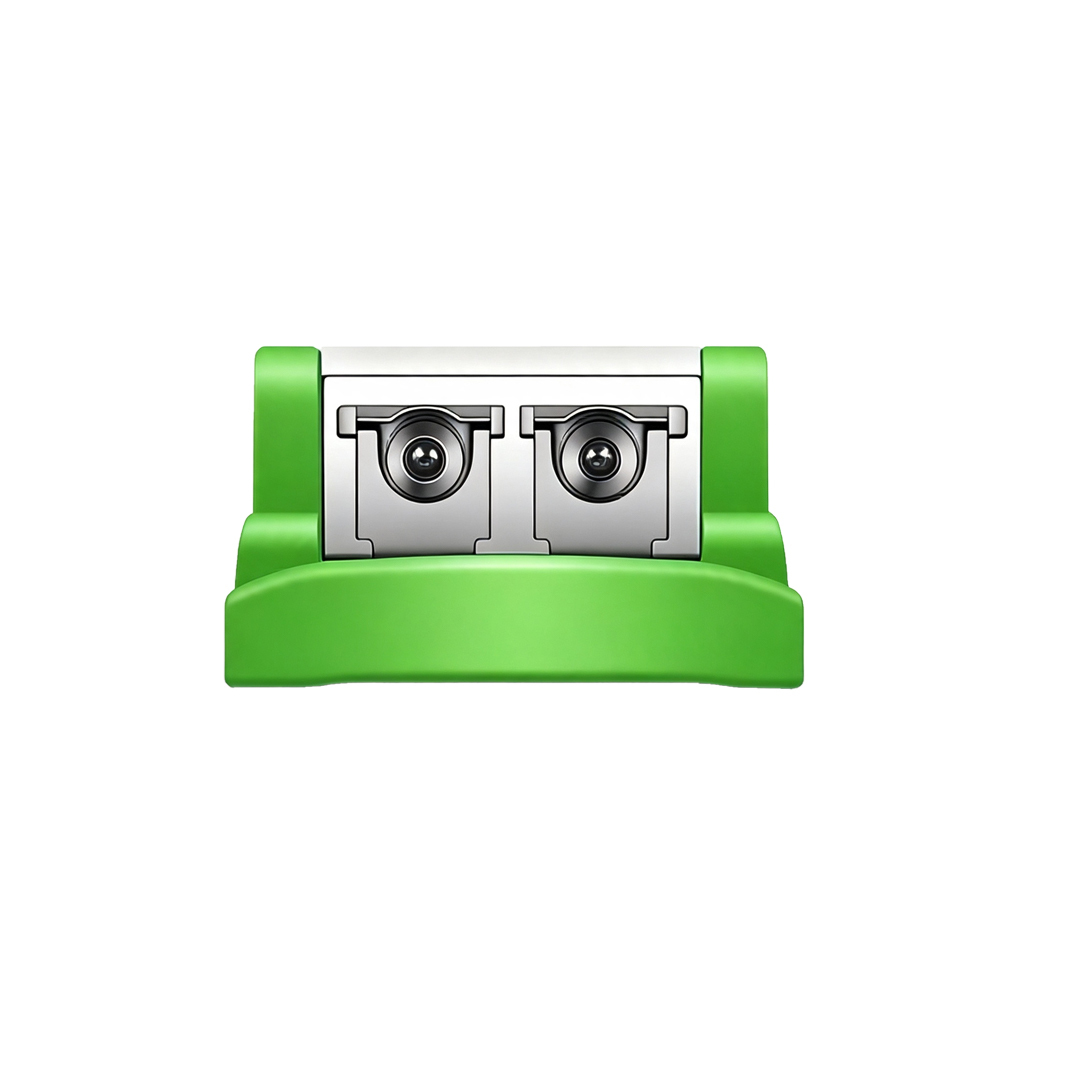
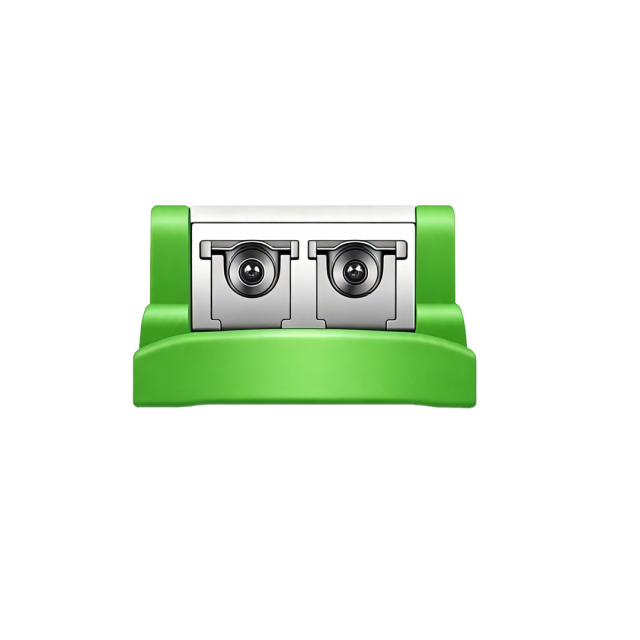
HPE Aruba R0Z30A Compatible 100G QSFP28 Transceiver | 100GBASE-CWDM4 2km Module 4×25G NRZ SMF | HYTOPTODEVICE
Product Overview
HYTOPTODEVICE 100G QSFP28 CWDM4 transceiver serves as pin-to-pin compatible replacement for HPE Aruba R0Z30A.
It adopts four-channel CWDM wavelength architecture and transmits 100G traffic via 4×25G NRZ modulation.
This module is built for short-range intra-data center connections. It delivers stable 100G transmission up to 2km over OS2 single-mode fiber.
Duplex LC connectors simplify patch panel routing and daily fiber maintenance.
The product complies with QSFP28 MSA and IEEE standards. Built-in DDM monitors optical power, temperature, voltage and laser bias continuously.
Custom EEPROM firmware ensures smooth identification on Aruba hardware without unauthorized transceiver alarms.
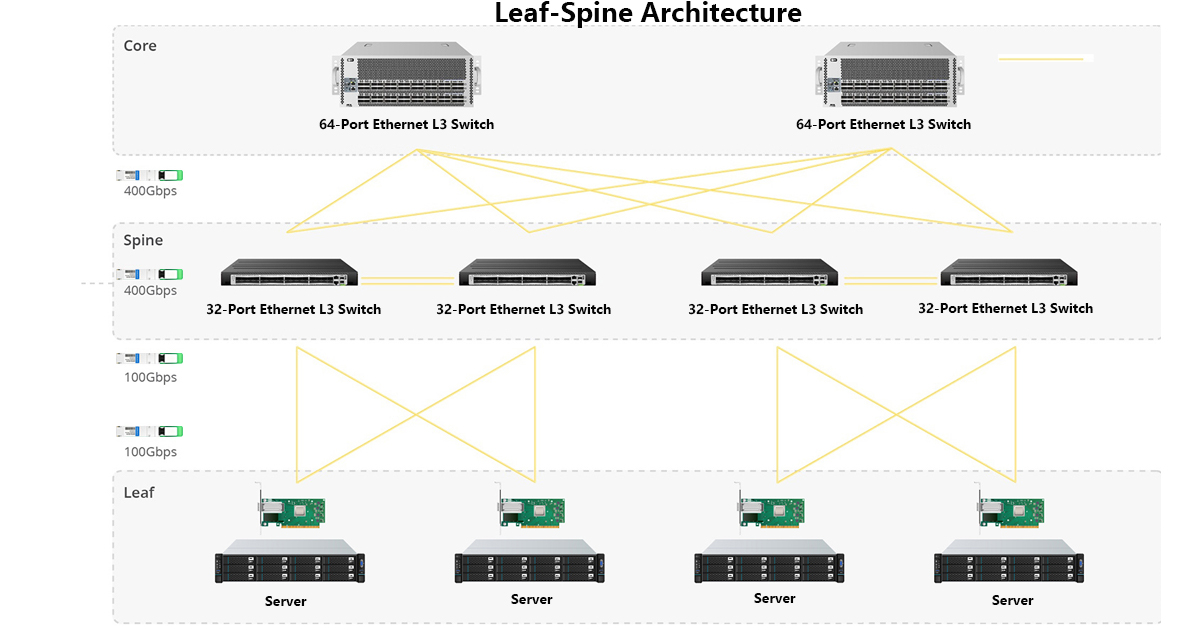
This economical module suits leaf-spine fabric, inter-switch trunking and ToR switch to server NIC uplinks.
We offer sample testing, customized firmware programming and flexible bulk pricing for system integrators and data center operators.
Key Technical Specifications
| HPE Aruba Compatible |
R0Z30A |
Vendor Name |
HYTOPTODEVICE |
| Form Factor |
QSFP28 |
Max Data Rate |
103.125Gbps (4x 25.78Gbps) |
| Wavelength |
1271nm, 1291nm, 1311nm and 1331nm
|
Max Distance |
2km |
| Connector |
Duplex LC/UPC |
Transmitter Type |
4 x CWDM DML (DFB) |
| Cable Type |
SMF |
Receiver Type |
PIN |
| Modulation (Electrical) |
4x 25G-NRZ |
TX Power |
-6.5~+2.5dBm |
| Power Consumption |
< 3.5W |
Receiver Sensitivity |
< -11.5dBm |
| Protocols |
QSFP28 MSA, SFF-8636, IEEE 802.3ba, IEEE 802.3bm, CAUI-4 |
Operation Temperature |
0 to 70°C (32 to 158°F) |
For detailed technical specifications, please refer to the Datasheet
Usage Guidelines & Best Practices
1. Fiber Matching: Only support OS2 G.652D single-mode fiber. Multimode fiber cannot meet 2km transmission requirements and will cause signal attenuation or link down.
2. Port Configuration: Enable RS-FEC function on switch ports to guarantee error-free and stable full-distance 2km transmission.
3. Installation Specification: Support hot-plug operation. Insert and pull out modules gently to avoid pin damage; reserve bending space for fiber cables.
4. Scenario Restriction: This module is designed for 2km medium-distance transmission. For links over 2km, please choose 100G LR4 long-distance modules.
5. Operating Environment: Work stably at 0°C~70°C commercial temperature. Avoid high temperature, humid and dusty harsh environment for long-term operation.
For detailed operation instructions, please refer to the User Guide.
Full Compatibility List & Supported Network Hardware
1. Supported Hardware & Firmware
This CWDM4 transceiver is pre-flashed with Aruba matched identification code.
It operates plug-and-play on validated Aruba platforms and avoids persistent alarms, unstable negotiation or random link flapping across mainstream firmware versions.
Validated Aruba Device Models:
- Aruba 8325, 8360 Data Center Switches
- Aruba 6400, 6300 Enterprise Core Switches
- Aruba CX 100G Leaf-Spine Switch Series
- All Aruba platforms equipped with standard QSFP28 100G ports
2.Cross-Brand Compatibility
The module follows universal QSFP28 MSA specifications.
It supports interconnection with Cisco, Dell, Huawei, H3C and other vendor equipment in multi-brand network environments.
It fits staged network upgrade and hybrid data center expansion projects.
3.Free Value-Added Services
We offer free EEPROM rewriting and private label customization.
Pre-shipment sample validation and dedicated engineering support are available.
Large-volume orders qualify for tiered pricing to reduce overall data center hardware expenditure.
Primary Application Scenarios
- Data Center Leaf-Spine Fabric: Short-range 100G interconnections inside Aruba CX data center architectures.
- Inter-Switch Trunk Upgrade: Bandwidth expansion between core and aggregation switch layers.
- Switch-to-Server Uplink: High-capacity connections from ToR switches to server and storage NICs.
- Intra-Campus Short Links: Single-mode routes within one data center or campus building.
- Hybrid Multi-Vendor Fabric: Cost-effective 100G links in mixed Aruba and third-party switch environments.
Connectivity Solutions(Applications)
1.Leaf-Spine Architecture
2. 100G to 100G for Switch-Switch Interconnection
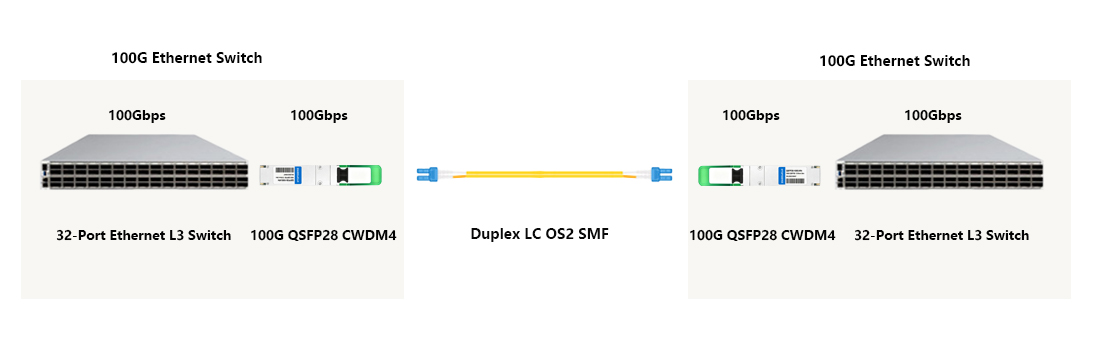
3.100G to 100G for Switch-NIC Connection
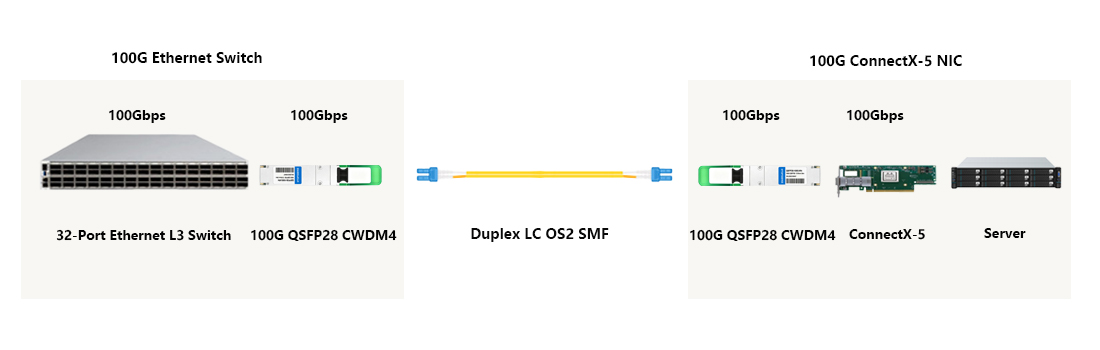
The Core Feature
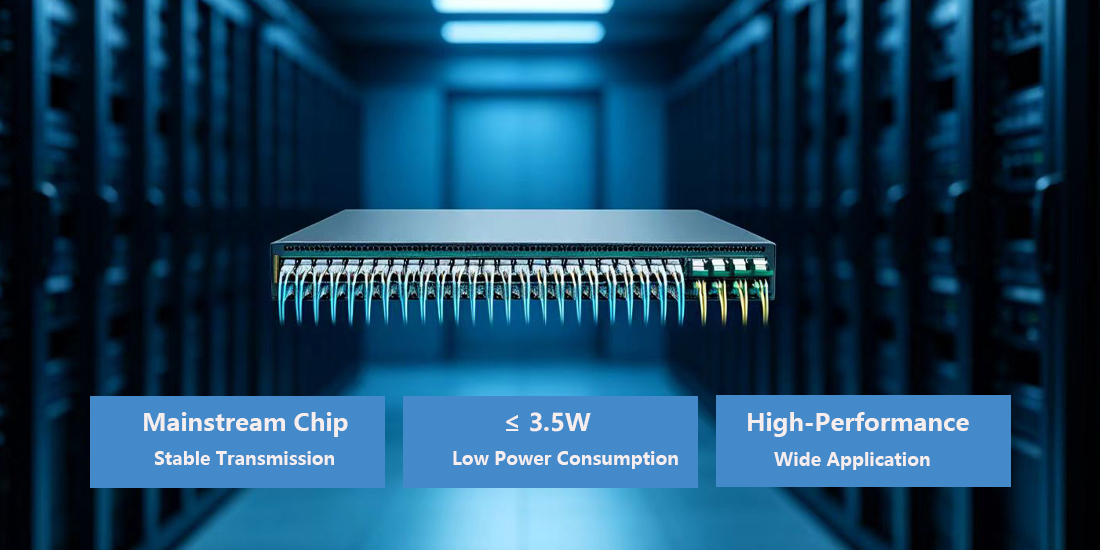
1.Low Power and High-Density Realize 100G Connectivity for Data Center
Ultra-low 3.5W max power consumption reduces data center power loss and PUE. Compact QSFP28 design supports high-density port deployment, realizing efficient 100G high-speed data center transmission.
2.Verified Host Interoperability
All modules pass real target device interoperability tests. Matched EEPROM ensures zero-alarm hot-swap and stable long-term operation on mainstream platforms.
Specific Compatibility Video available upon request.

3.Strict Full-Round Quality Testing
Every module undergoes optical calibration, wide temperature cycling,aging burn-in and BER testing. Strict quality control guarantees stable 24/7 commercial operation.Curious how? Tour the
Test Center.

FAQ
Q1: What scenarios make 100G CWDM4 more suitable than LR4 for Aruba networks?
A1: Our Aruba compatible CWDM4 module is designed for links up to 2km. It provides sufficient optical margin for intra-data center and short campus routes, avoiding unnecessary cost of longer-distance LR4 modules. For leaf-spine and server uplink deployment within a building, it balances performance and budget efficiently.
Q2: Why is RS-FEC recommended for 100G CWDM4 links?
A2: CWDM4 operates with tight optical power budget. RS-FEC compensates for connector loss, splice differences and slight fiber aging. Turning on FEC helps sustain error-free transmission close to the 2km boundary and reduces random packet loss in production networks.
Q3: Can this 100G QSFP28 CWDM4 module work under 4×25G breakout mode?
A3: This standard CWDM4 transceiver only supports native 100G operation. It cannot split into four independent 25G channels. If your network design requires 4×25G breakout, select dedicated breakout QSFP28 models.
Q4: How to solve module alarms on Aruba, Cisco or Huawei equipment?
A4: Most alarms are caused by mismatched EEPROM identification data. Our modules come pre-programmed with Aruba-specific firmware and support free re-programming for other platforms. We complete real-switch validation to realize seamless plug-and-play deployment.
Q5: Why do DDM wavelength values slightly deviate from standard CWDM grid?
A5: Small wavelength offset is permitted within MSA standard tolerance. All our modules are calibrated and screened before shipment. Minor DDM fluctuation will not affect throughput or link stability under normal Aruba operating conditions.
Q6: Do I need an optical attenuator for ultra-short patch cord connections?
A6: Attenuators are generally unnecessary for short patch runs. Our transmit power level is optimized for standard data center patch panels. Only when excessive launch power triggers intermittent errors should you add a matched attenuator after checking module parameters.
Q7: Rx power remains low after fiber cleaning. What troubleshooting steps to follow?
A7: Check ferrules for scratches and cables for sharp bends or crushed ducts. Swap patch cords and test alternative ports to isolate faults. If low receiving power follows the module, our engineering team provides optical testing and after-sales support for bulk customers.
Q8: What does DOM Rx power reading around -40dBm mean?
A8: A reading near -40dBm usually indicates no optical signal arrives at the receiver. Common reasons include disconnected fiber, damaged jumpers or inactive remote transmitter. We provide clear fault isolation procedures to quickly restore data center traffic.
Q9: Are third-party compatible modules less reliable than original HPE Aruba OEM transceivers?
A9: Qualified compatible modules can reach equivalent performance level. Our R0Z30A compatible CWDM4 modules adopt industrial chips and complete optical and compatibility testing. The main gap exists in vendor lock-in and official support contracts instead of basic transmission stability.
Q10: What compliance materials should purchasers request from optical module suppliers?
A10: As a professional optical module manufacturer, we supply RoHS certificates, MSA compliance documents, temperature cycle test records and real-switch compatibility reports. All products support full traceability to satisfy enterprise and data center project compliance demands.
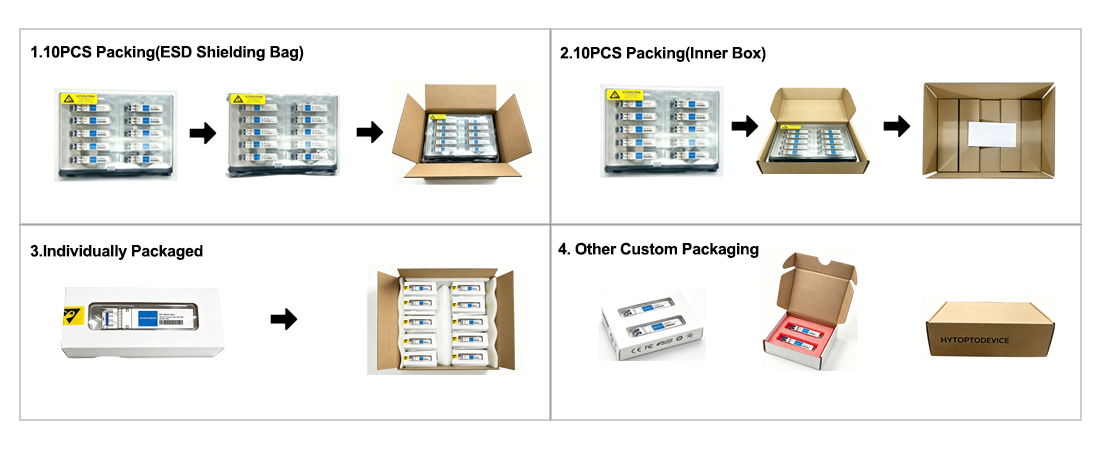
Packaging & Custom OEM Solutions
-
ESD Protection & Fast Shipping: Every module is sealed in an ESD-safe bag and ready for same-day dispatch from stock.
-
Custom OEM & Branding: We provide logo printing, private labeling, and custom packaging to help distributors and integrators build their brand—no factory investment required.
Why Network Engineers Choose HYTOPTODEVICE
HYTOPTODEVICE has supplied over 5000,000 optical transceiver modules to data centers, ISPs, and enterprise networks across 100+ countries since 2011. Every module undergoes a 72-hour burn-in test and full DDM/DOM validation before shipment.
- Up to 70% cost savings vs OEM, transparent pricing & flexible bulk rates, supported quality returns
- 100% real-device compatible with Cisco, Huawei,Dell,Juniper, and Arista
- ISO 9001:2015 Shenzhen factory, full lineup: 1.25G/10G/25G/40G/100G/200G/400G/800G/1.6T transceivers
- Ample stock, fast global DHL/FedEx shipping in 3–5 working days
- Free pre-sales engineering support for custom EEPROM & private label firmware
- Real switch test videos available for pre-purchase review; inspection & shipping videos provided per order
“Phenomenal performance. We deployed 200 HYTOPTODEVICE SFP modules to replace Cisco OEMs in our backbone network. Result? Zero compatibility issues and a 60% reduction in costs. Highly recommended for mission-critical networks."— Senior Network Engineer, Regional Telecom, Australia
Quality Certification & Compliance
At HYTOPTODEVICE, our quality commitment is backed by industry-standard validations. From fiber optical transceiver manufacturing to final visual inspection, from IQC、IPQC、FQC to OQC, our processes ensure global compliance and reliability.
We adhere to rigorous standards for our SFP modules and network solutions:
-
ISO 9001: Certified quality management and production consistency.
-
CE & FCC: Fully compliant for seamless Global Market Access.
-
RoHS: Committed to environmental responsibility and hazardous material control.
-
Proven Reliability: Rigorous testing to reduce compliance risk and ensure safety.
Certified Quality. Global Standards. Guaranteed Performance.

Rigorous Industrial Product Testing

100% 3rd Party Compatible

Partial Test Demonstration