Q1: How can field technicians easily tell the TX1310nm and TX1550nm modules apart?
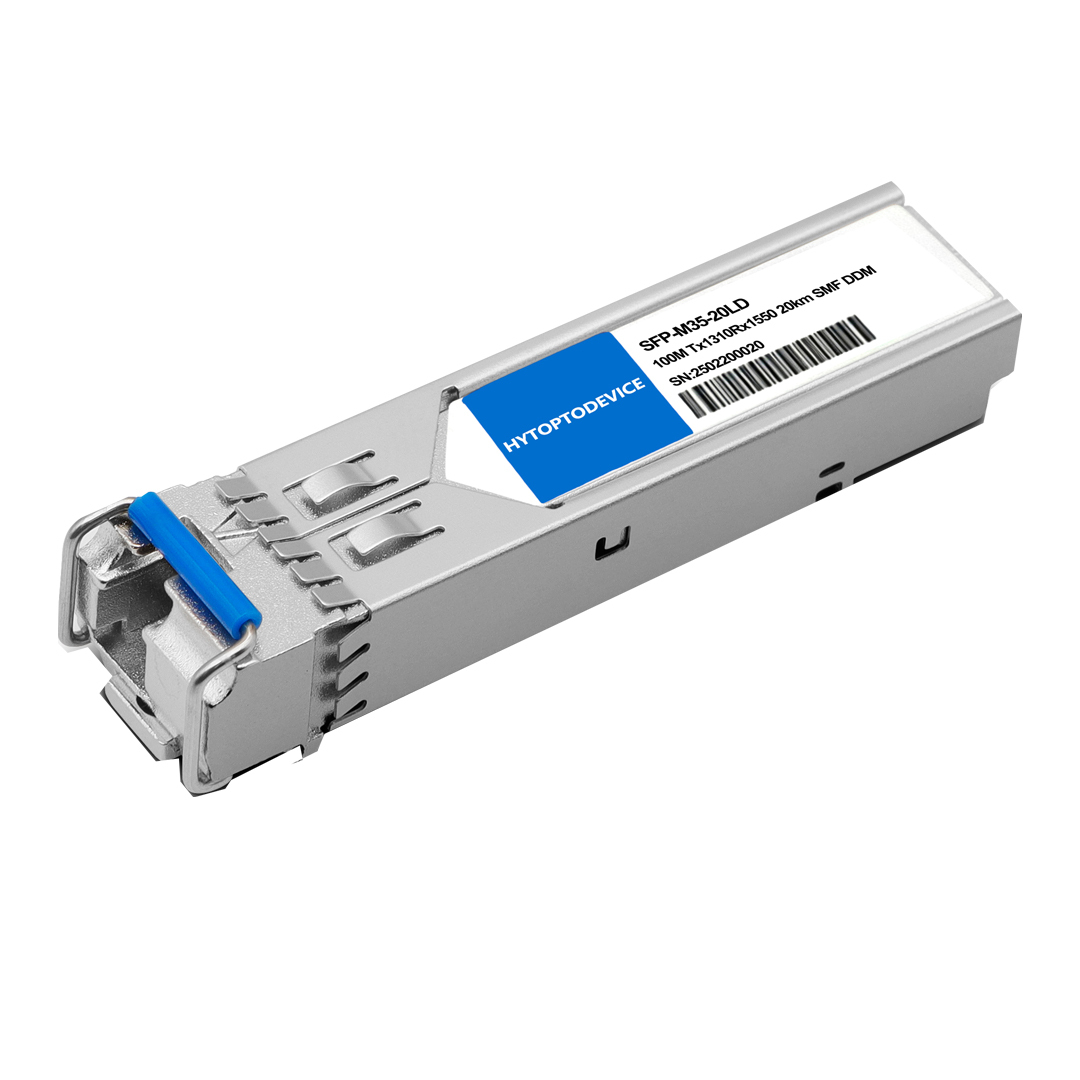
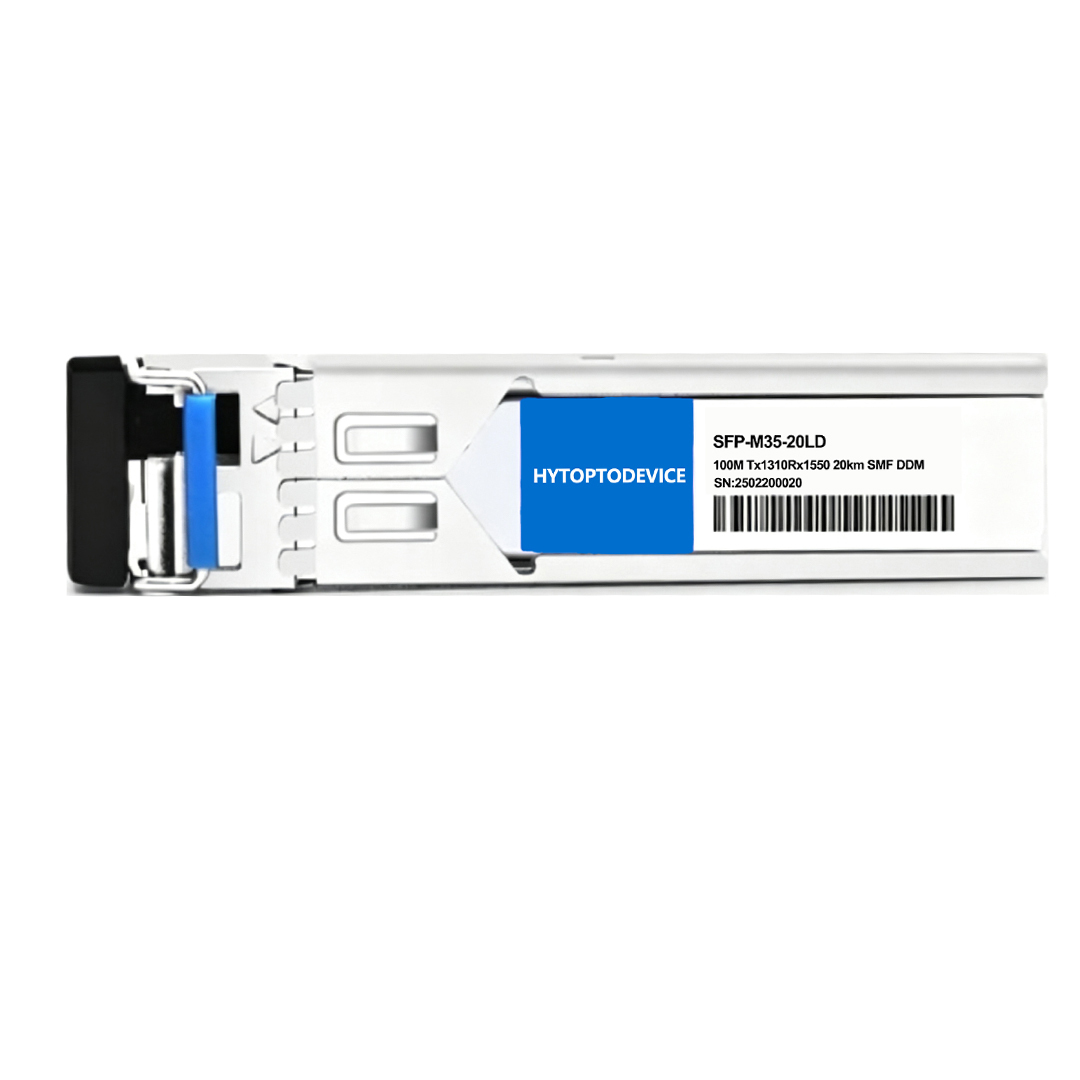
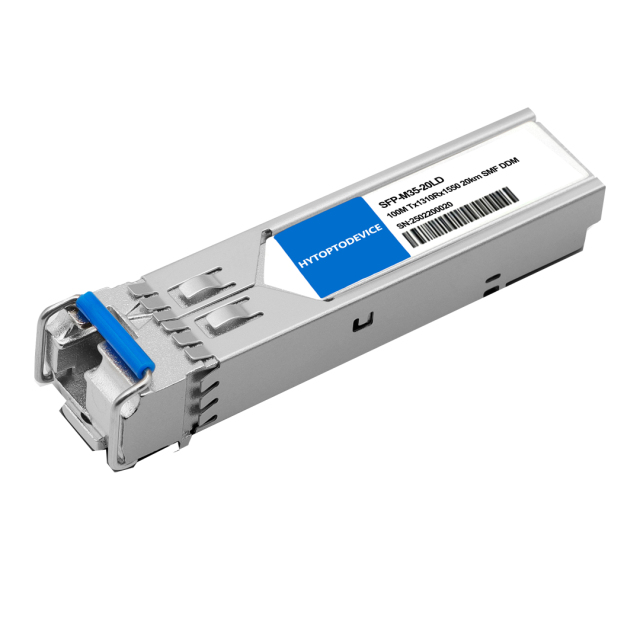
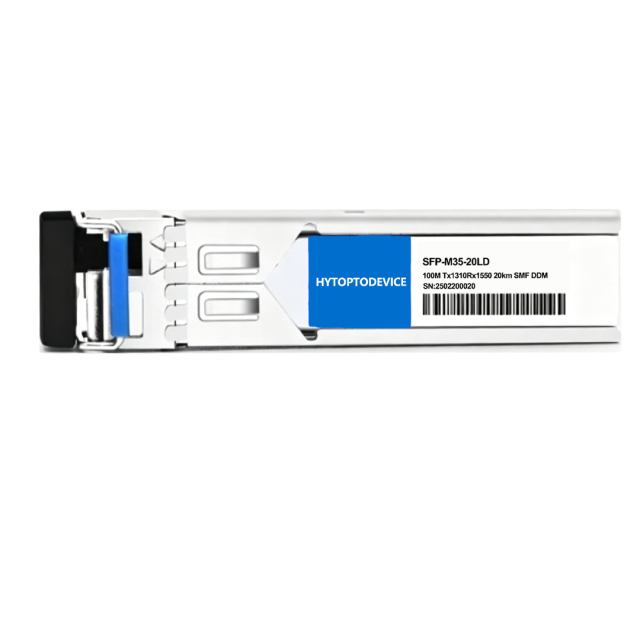
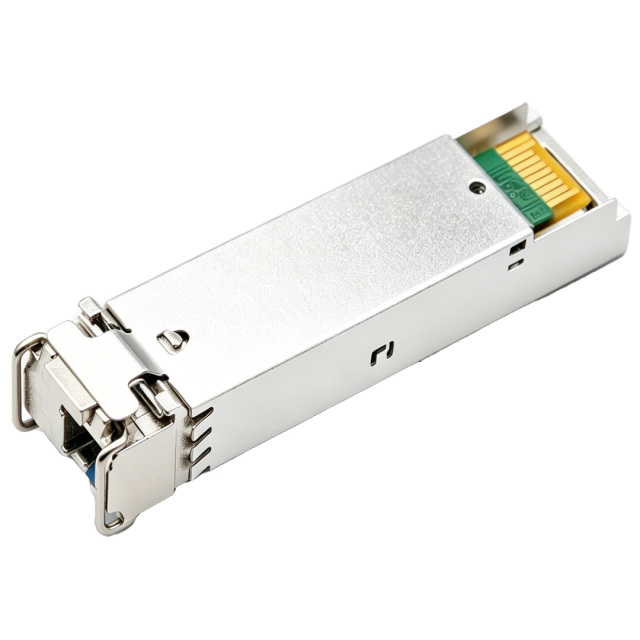
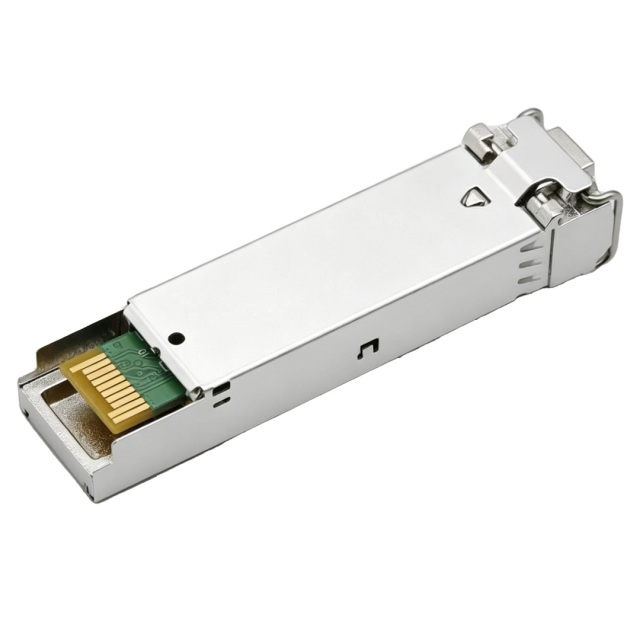
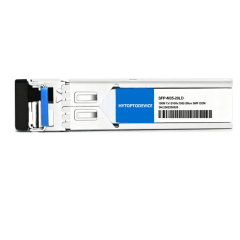
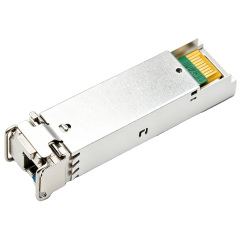
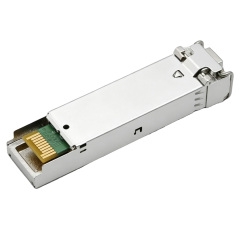
A: Our HYTOPTODEVICE HPE Procurve J9100B compatible BiDi SFP transceivers feature industry-standard color-coded bail latches for quick field identification. Blue latches mark TX1310nm BX-U modules and green latches mark TX1550nm BX-D modules, helping technicians match correct pairs for 15km Procurve single-fiber links.
Q2: How does a Simplex (Single-Strand) BiDi transceiver transmit and receive on one fiber?
A: Our 100BASE-BX simplex BiDi SFP transceivers adopt high-isolation internal WDM filters to split uplink and downlink wavelengths. It transmits 1310nm signals and receives 1550nm signals on a single fiber strand, delivering interference-free full-duplex 100Mbps communication for HPE Procurve network deployment.
Q3: Why does my switch console throw an "Unsupported Transceiver" warning?
A: Unsupported transceiver warnings appear due to mismatched OEM EEPROM signature data. Our HYTOPTODEVICE J9100B replacement BiDi SFP transceivers are pre-programmed with authentic HPE Procurve firmware, ensuring native switch recognition and eliminating console alarm prompts for true plug-and-play performance.
Q4: Is this transceiver fully compliant with IEEE 802.3ah 100BASE-BX10 standards?
A: Yes. Our HPE Procurve J9100B compatible BiDi SFP transceiver strictly adheres to IEEE 802.3ah and MSA 100BASE-BX industry standards. The extended 15km transmission rating maintains full protocol compatibility with all standard-compliant enterprise network devices.
Q5: Do I need an optical attenuator for short-distance deployment?
A: No optical attenuator is required for deployment distances above 500 meters. Our factory-calibrated low-power J9100B BiDi SFP transceiver features built-in signal overload protection, supporting stable adaptive operation for both short-range and 15km medium-distance Procurve network links.
Q6: What is the typical optical power budget for a 100BASE-BX 15km link?
A: This HPE Procurve J9100B matched BiDi SFP transceiver comes with a dedicated 16dB optical power budget optimized for 15km single-mode fiber links. It fully compensates for fiber attenuation, splicing and connector loss to deliver error-free 100Mbps long-distance transmission.
Q7: Can near-end optical crosstalk (NEXT) occur inside the WDM filter of a BiDi optic?
A: No near-end optical crosstalk occurs on our premium J9100B compatible BiDi transceivers. High-isolation WDM filter components achieve precise wavelength separation between Tx/Rx paths, completely avoiding signal interference and BER fluctuations in 15km single-fiber BiDi networking.
Q8: Why am I getting high Bit Error Rate (BER) or packet loss on my 15km link?
A: High BER and packet loss on 15km BiDi links mostly stem from unbalanced 1310/1550nm wavelength attenuation, contaminated port contacts or low-quality jumpers. Our factory-calibrated HYTOPTODEVICE BiDi transceivers balance bidirectional signal loss to stabilize medium-distance Procurve link performance.
Q9: Why does DDM show normal Tx power but zero Rx power on one end?
A: Normal Tx power with zero Rx power indicates one-way link interruption, mainly caused by incorrect BX-U/BX-D wavelength pairing, damaged fiber lines or dirty receiver ports. Our standardized J9100B BiDi pairing scheme effectively prevents such connection failures.
Q10: Can I run a local physical loopback test on a BiDi SFP?
A: Traditional physical loopback tests cannot verify simplex BiDi SFP performance due to independent Tx/Rx wavelength channels. Our professional J9100B BiDi optic solution supports dedicated end-to-end link testing to accurately validate 15km link integrity and module stability.
Q11: How does extreme heat affect 1310nm and 1550nm FP/DFB lasers?
A: Extreme high temperature causes laser wavelength drift and power attenuation that degrade link stability. Our optional industrial-grade J9100B compatible BiDi transceivers undergo strict temperature aging calibration to stabilize laser output in harsh outdoor and industrial network environments.
Q12: Why choose Simplex BiDi over standard Duplex fiber optics?
A: Our simplex BiDi SFP transceiver requires only one fiber strand for bidirectional transmission, replacing costly dual-fiber duplex setups. It saves 50% fiber resources and cabling expenses, making it the most cost-effective upgrade for fiber-scarce 15km medium-distance HPE Procurve enterprise networks.