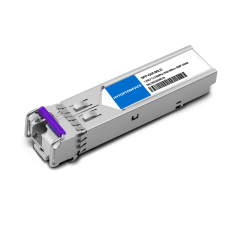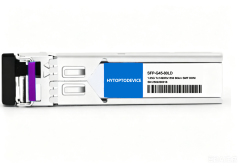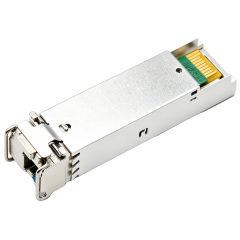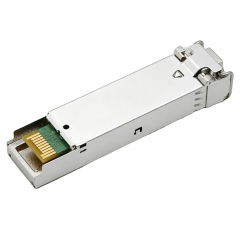
| NO. | Brand | Compatible P/N | Transceiver Type |
| 1 | Cisco | GLC-BX80-UA | SFP-G54-80LD |
| 2 | Cisco | Cisco GLC-BX80-UA-I | SFP-G34-10LD |
| 3 | Brocade | E1MG-1G-BXU-80 | SFP-G34-20LD |
| 4 | Dell | SFP-GE-BX80-1490 | SFP-G35-20LD |
| 5 | Extreme | MGBIC-BX80-U | SFP-G34-40LD |
| 6 | H3C | SFP-GE-LH70-SM1490-BIDI | SFP-G35-40LD |
| 7 | HPE H3C | SFP-1G-BXU-80 | SFP-G45-1BLD |
| 8 | Huawei | SFP-GE-ZBXD1 | |
| 9 | Juniper | SFP-GE80KT14R15 | |
| 10 | MikroTik | S-4554LC80D-1490 | |
| 11 | Netgear | SFP-GE-BX80 |
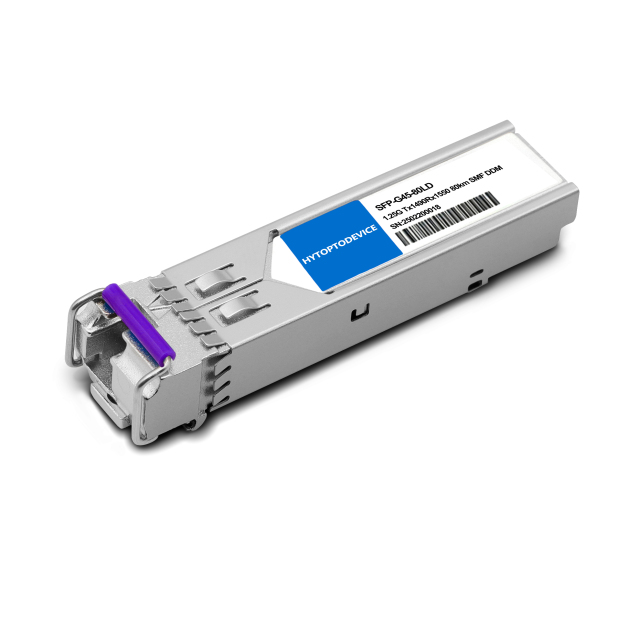
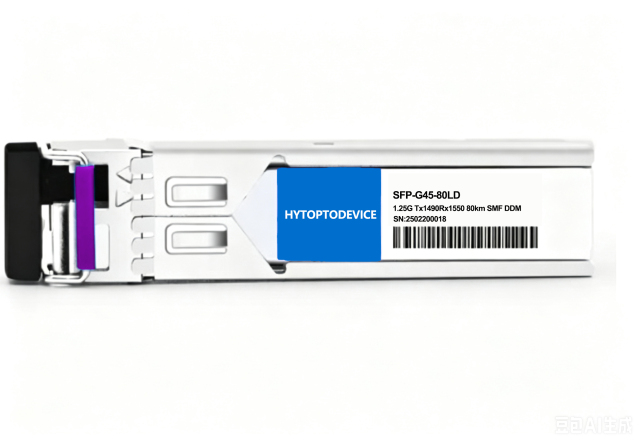
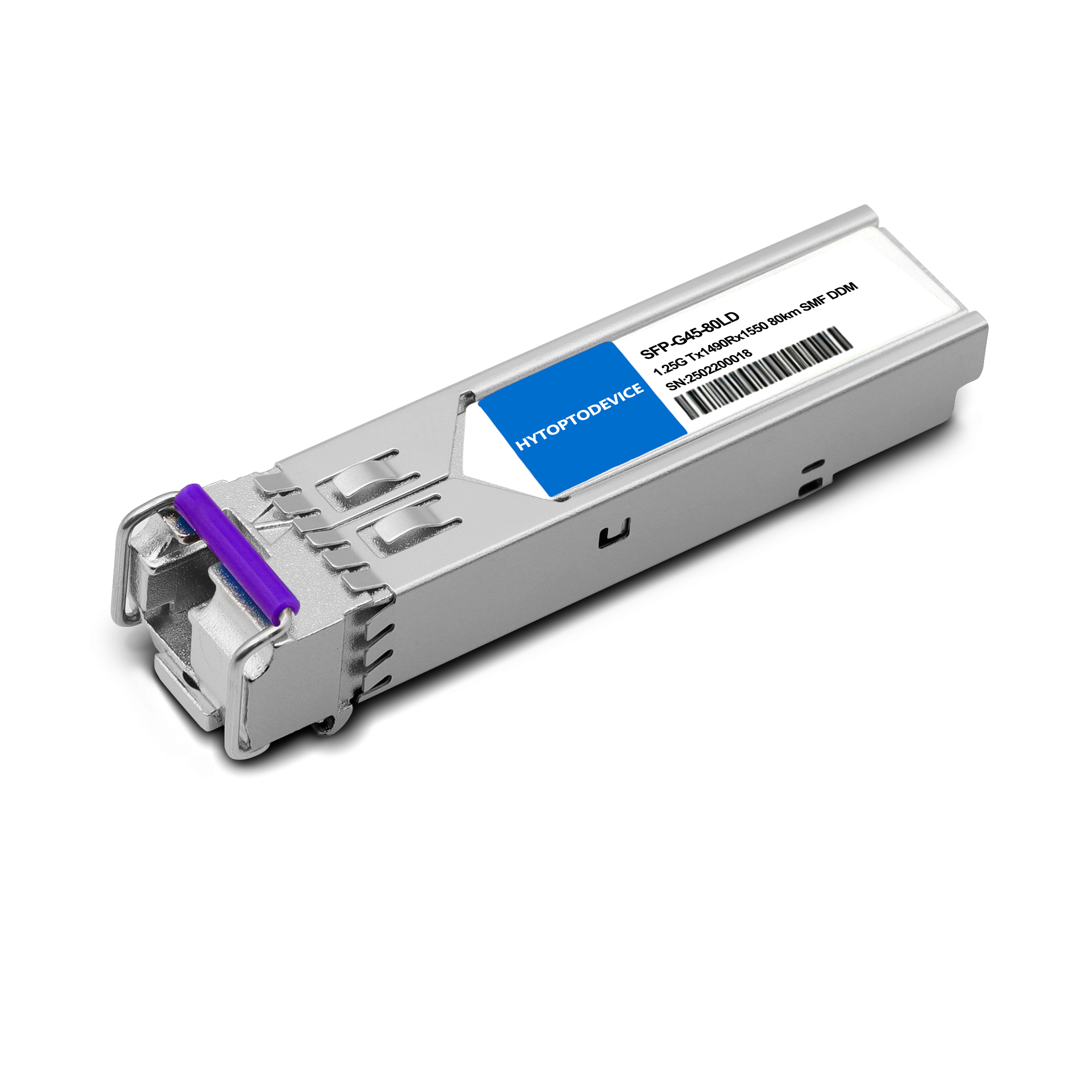
| Cisco Compatible | GLC-BX80-UA | Vendor Name | HYTOPTODEVICE |
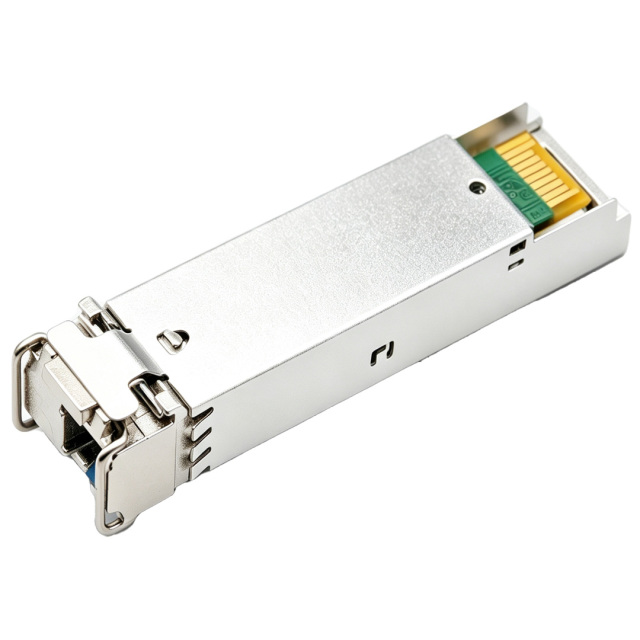
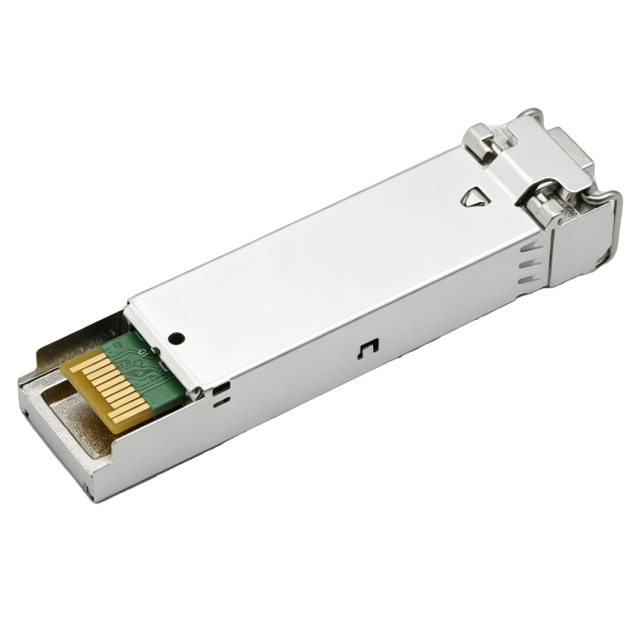
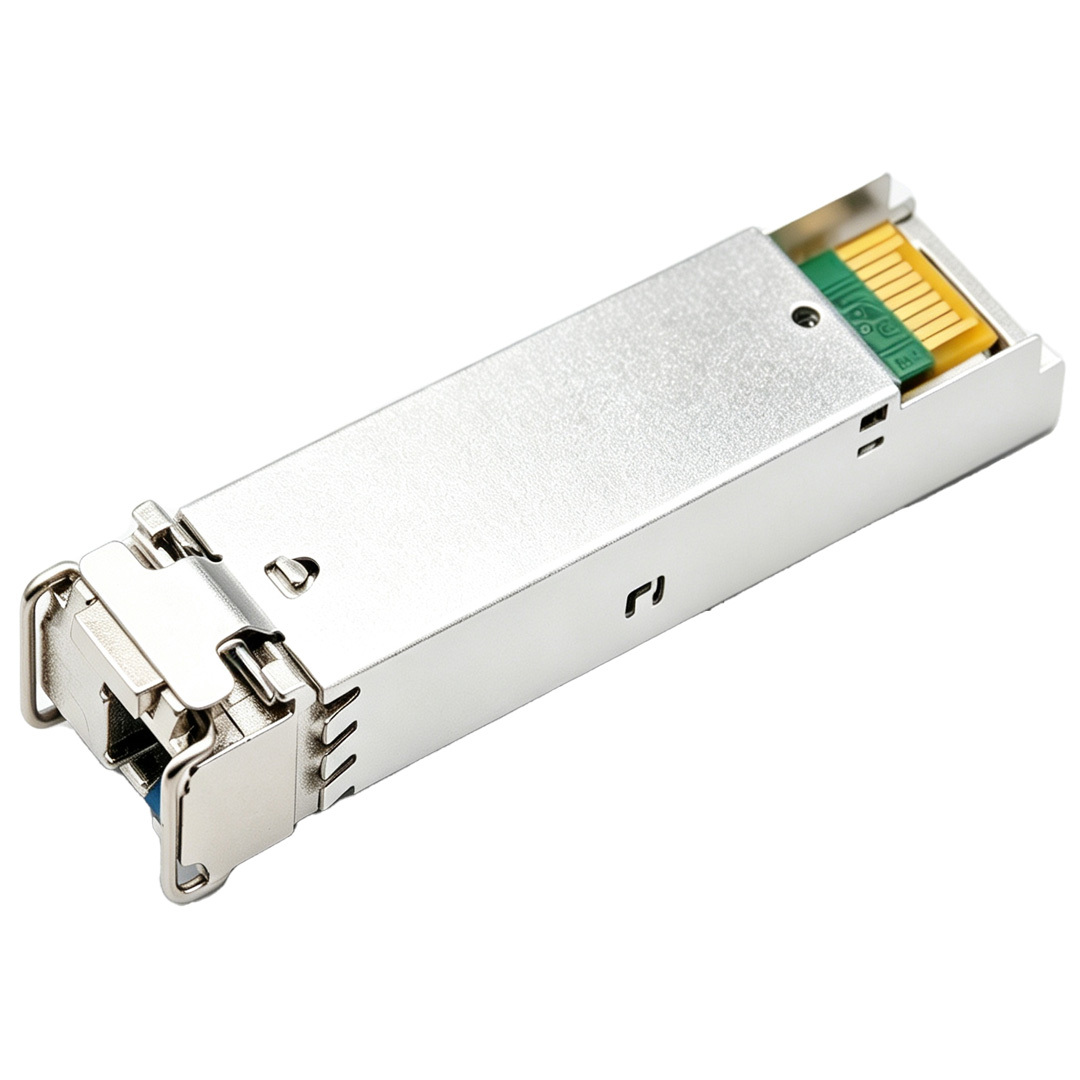
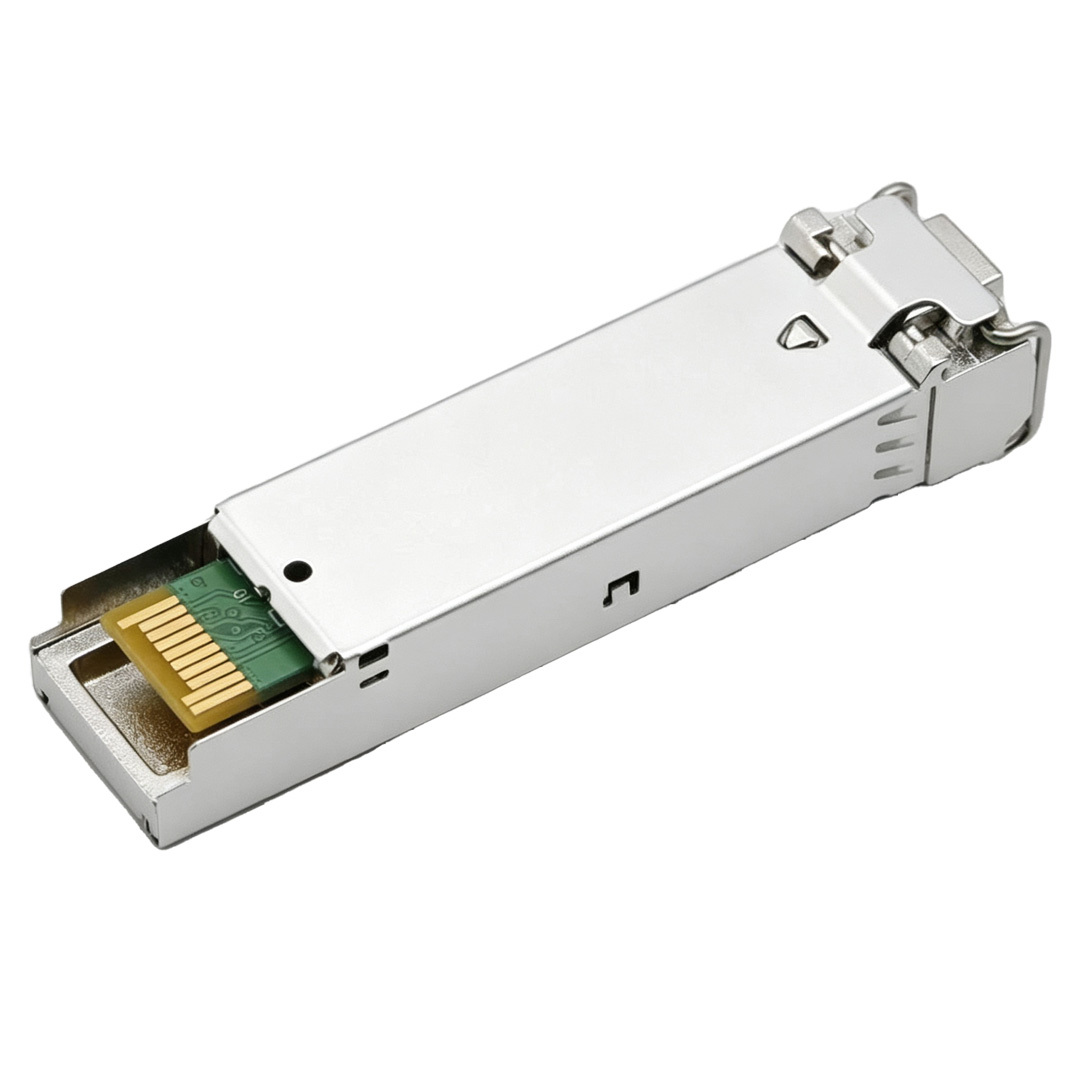
| Form Factor | SFP | Max Data Rate | 1.25Gbps |
| Wavelength | TX1490nm/RX1550nm | Max Distance | 80km |
| Connector | Simplex LC | Transmitter Type | 1490nm DFB |
| Cable Type | SMF | Receiver Type | PIN |
| TX Power | 0~5dBm | Receiver Sensitivity | < -26.0dBm |
| Protocols | SFF-8472 MSA Compliant, IEEE 802.3ah-2004 | Operation Temperature | 0 to 70°C (32 to 158°F) |
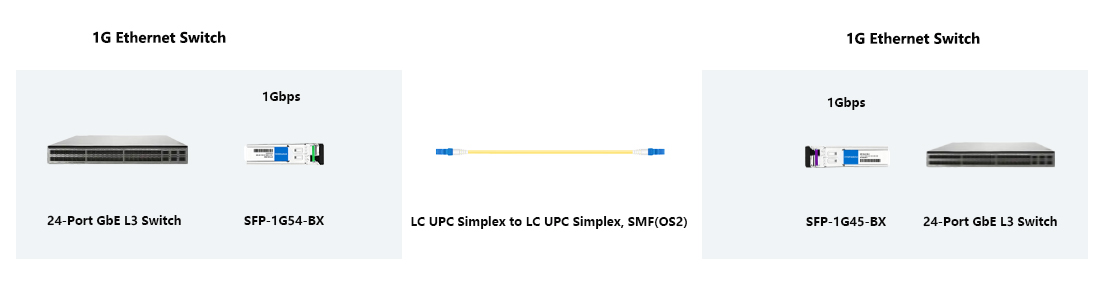
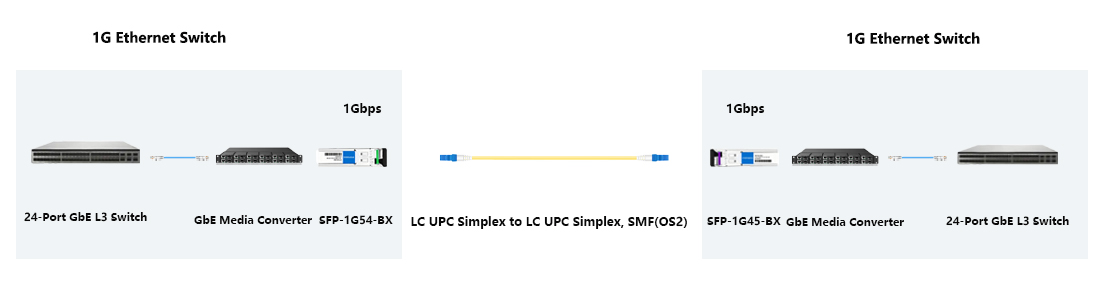
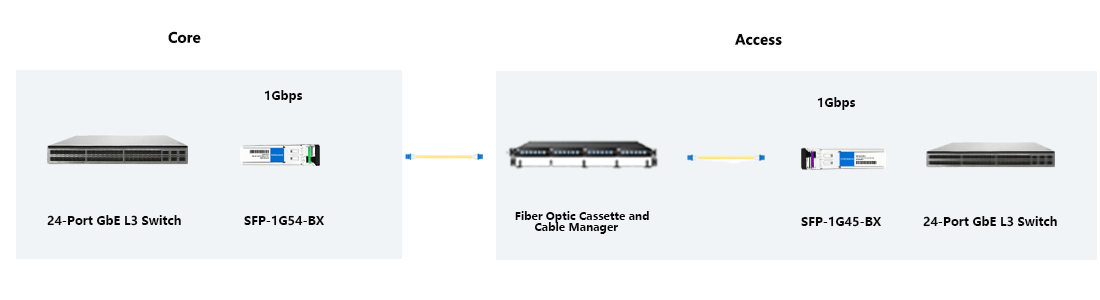
Complementary Pairing: BiDi transceivers must be deployed in matched pairs (e.g., TX1490/RX1550 with TX1550/RX1490). Mismatched wavelengths cannot establish a link.
Fiber Choice: Use Single-Mode Fiber (SMF) only. Do NOT use MMF.
Connector Match: Simplex LC (UPC/PC polish only). Do NOT use Duplex LC or APC.
Laser Safety: Class 1 Laser. Never look directly into optical ports or fiber end-faces.
ESD Safety: Wear an anti-static wrist strap before handling the transceiver.
Cleanliness & Dust: Keep dust caps installed on all unused ports. Clean fiber connectors with an optical cleaning pen before insertion; dust causes over 80% of link failures.
Optical Attenuator Required: For short-distance testing or links (<20 km), connect a 10dB–15dB attenuator to the RX port to prevent receiver damage.
Installation & Hot-Swap: MSA compliant. Insert and remove gently without powering down the device.
High Loss / Packet Drops: Ensure fiber bend radius exceeds 30 mm, inspect optical power levels, and clean connectors.
No Link: Verify complementary BIDI wavelength pairing requirement; clean Simplex LC end-faces; check port speed configuration.
1. Supported Hardware & Firmware




Q1: Will this 1.25G BiDi 80km transceiver work with my Cisco (or HP, Huawei, Juniper, Dell) switch? A1: Yes, it can work with supported brand switches. Pre‑programmed brand‑matched EEPROM enables plug‑and‑play on Cisco IOS devices; custom EEPROM is required for HP, Huawei, Juniper and Dell hardware. Real‑machine validation before large‑scale deployment avoids unexpected third‑party transceiver alarms.
Q2: Can I use this 1.25G BiDi SFP module in a 10G SFP+ port? A2: Most 10G SFP+ ports are backward compatible with 1.25G SFPs, but you must configure the port speed to 1G manually on your switch. Physical fit does not guarantee auto‑negotiation success. Always force port speed to 1000BASE‑FX to get stable gigabit link operation.
Q3: Can I pair this 1490nm/1550nm module with a standard dual‑fiber 1.25G SFP module? A3: No, cross‑combination will not establish valid network link. This BiDi relies on WDM single‑strand wavelength multiplexing, while dual‑fiber SFP uses identical transmit wavelengths on two separate fibers. Always use matched opposite‑wavelength BiDi pairs instead of mixing dual‑fiber transceivers.
Q4: What happens if I install the 1490nm/1550nm module on both ends of the fiber link? A4: You will get zero link and LOS alarm on your network device. Both sides transmit at 1490nm and receive at 1550nm without wavelength pairing. One end must deploy Tx1490/Rx1550, the opposite end must deploy Tx1550/Rx1490 to complete bidirectional WDM transmission.
Q5: How can I visually identify the 1490nm end from the 1550nm end? A5: Check printed label on the SFP module housing for wavelength marking. Each BiDi SFP is printed with Tx/Rx wavelength values on its outer label. Never rely on connector color alone; always verify printed Tx‑Rx marking before field installation to prevent wrong‑pairing mistakes.
Q6: What type of optical fiber patch cable should I use with this module? A6: You must use simplex LC OS1 / OS2 single‑mode fiber patch cord. Duplex‑LC and multimode cables cannot support single‑strand BiDi 80km transmission. Clean simplex LC end‑faces before insertion to reduce insertion loss and avoid intermittent LOS faults over long‑distance links.
Q7: What laser transmitter type is used in this 80km BiDi module? A7: This 80km BiDi SFP adopts DFB laser transmitter paired with PIN receiver. The PIN receiver supports receiving sensitivity down to ‑26 dBm. The mature chip combination delivers stable signal performance for 80km long‑haul single‑mode fiber links.
Q8: What is the maximum fiber loss allowed per kilometer at 1490nm and 1550nm? A8: Our module features TX output 0‑5 dBm and RX sensitivity better than ‑26 dBm, offering minimum 26 dB link budget. Typical SMF attenuation is approx 0.25 dB/km at 1490‑1550nm window. Reserve margin for splices and connector loss, keep total loss within 26 dB to guarantee stable 80km transmission.
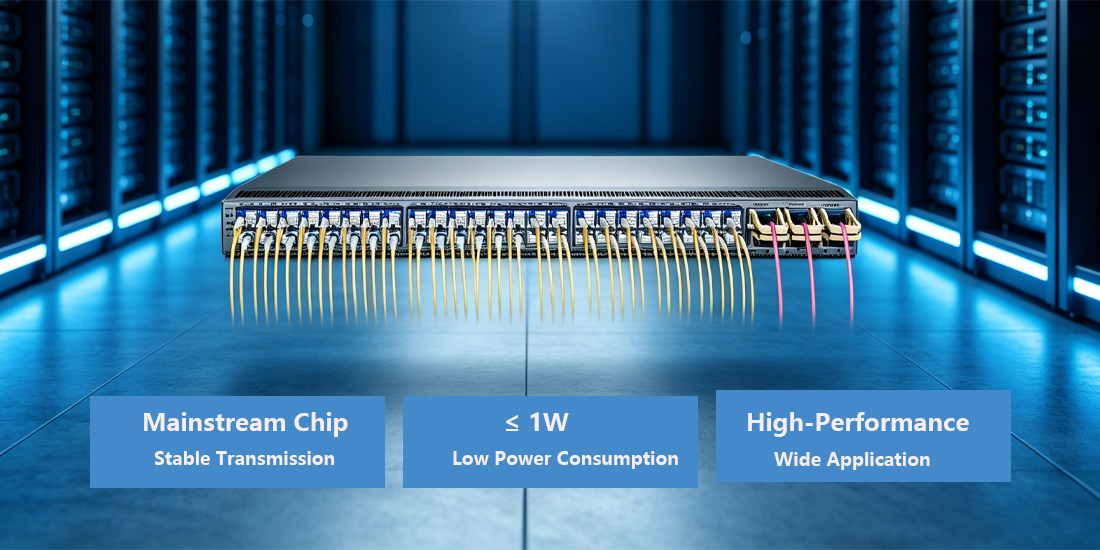
Q9: Does an 80km transceiver draw significantly more power than a standard 10km module? A9: No, power consumption is well‑controlled below 1W. This unit uses DFB laser and PIN receiver chipset. It complies with standard SFP power specification and will not overload any compliant SFP host port.
Q10: Why choose single‑fiber BiDi over traditional dual‑fiber SFPs? A10: BiDi cuts fiber‑core consumption in half for fiber‑scarce sites. It uses WDM technology to send and receive over one single‑mode fiber strand. It is ideal for campus inter‑building, remote branch backhaul and surveillance projects where adding extra fiber pairs brings high construction cost.
Q11: Can this transceiver be integrated into CWDM or DWDM networks? A11: Not recommended for standard CWDM / DWDM multiplexer deployment. Its fixed 1490/1550nm working wavelengths overlap with common CWDM channel bands. Use dedicated CWDM‑rated optical modules if you plan to deploy multiplexed wavelength‑division networking infrastructure.
Q12: What is the typical warranty period provided for this product? A12: HYTOPTODEVICE offers a standard 5‑year factory warranty against manufacturing defects. Warranty covers hardware failure under rated 0‑70℃ operating conditions; damage from ESD, dirty fiber end‑faces, optical overload or improper field handling is excluded from warranty scope.
Q13: Why is an 80km BiDi transceiver more expensive than a 10km or 20km BiDi module? A13: High‑power DFB/EML lasers, high‑sensitivity PIN receivers, and tight wavelength isolation filters drive up manufacturing costs. Short‑reach BiDi modules can adopt lower‑grade optical components. Additional precise calibration and burn‑in testing for long‑haul performance further increase production expense.
Q14: What should I do if the switch shows "Rx Power Low" or "Loss of Signal (LOS)"? A14: First inspect physical layer connections. Clean simplex‑LC patch cord end‑faces, re‑seat SFP modules, verify correct BiDi wavelength pairing, and measure total link optical loss. If loss exceeds module power budget, shorten link distance or deploy fiber amplifier for long‑haul single‑fiber links.
Q15: What causes a link to flap (repeatedly connect and disconnect)? A15: Link flapping mainly comes from physical‑layer issues related to the PIN receiver. Common triggers include dirty fiber end‑faces, insufficient optical receiving margin, wrong wavelength pairing, ESD‑damaged PIN receiver or poor cabinet ventilation causing module over‑temperature. Read DDM real‑time power and temperature values to quickly isolate root cause.
Why Network Engineers Choose HYTOPTODEVICE
HYTOPTODEVICE has supplied over 5000,000 optical transceiver modules to data centers, ISPs, and enterprise networks across 100+ countries since 2011. Every module undergoes a 72-hour burn-in test and full DDM/DOM validation before shipment.
“Phenomenal performance. We deployed 200 HYTOPTODEVICE SFP modules to replace Cisco OEMs in our backbone network. Result? Zero compatibility issues and a 60% reduction in costs. Highly recommended for mission-critical networks."— Senior Network Engineer, Regional Telecom, Australia
Quality Certification & Compliance
At HYTOPTODEVICE, our quality commitment is backed by industry-standard validations. From fiber optical transceiver manufacturing to final visual inspection, from IQC、IPQC、FQC to OQC, our processes ensure global compliance and reliability.
We adhere to rigorous standards for our SFP modules and network solutions:
ISO 9001: Certified quality management and production consistency.
CE & FCC: Fully compliant for seamless Global Market Access.
RoHS: Committed to environmental responsibility and hazardous material control.
Proven Reliability: Rigorous testing to reduce compliance risk and ensure safety.
Certified Quality. Global Standards. Guaranteed Performance.