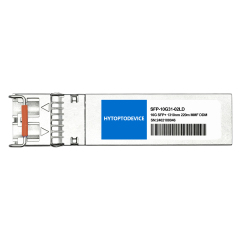
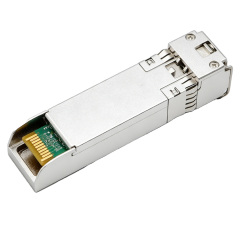
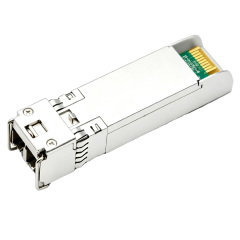
Q1: What is the difference between SFP-10G-LRM and SFP-10G-LRM2, and what defines LRM2 specification?
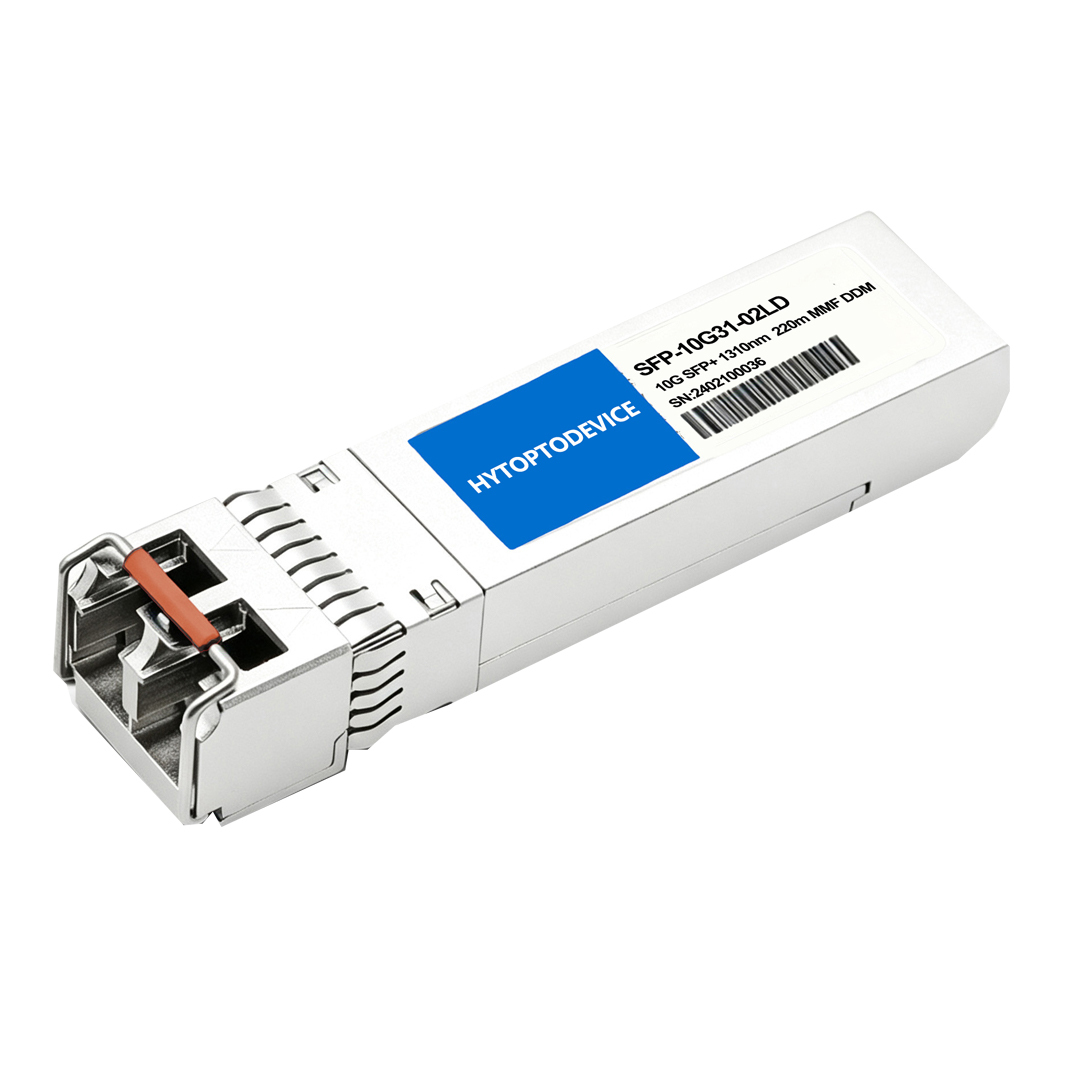
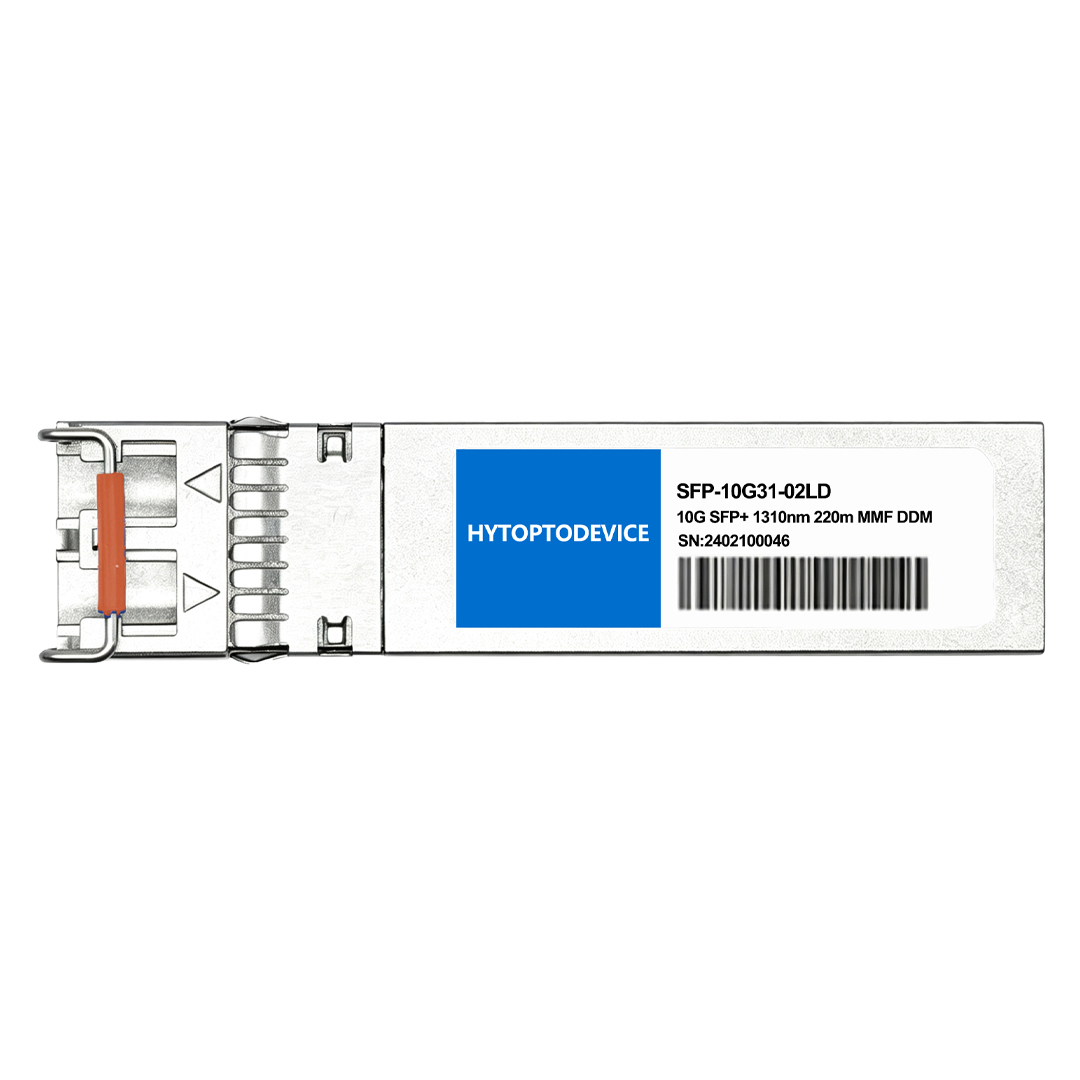
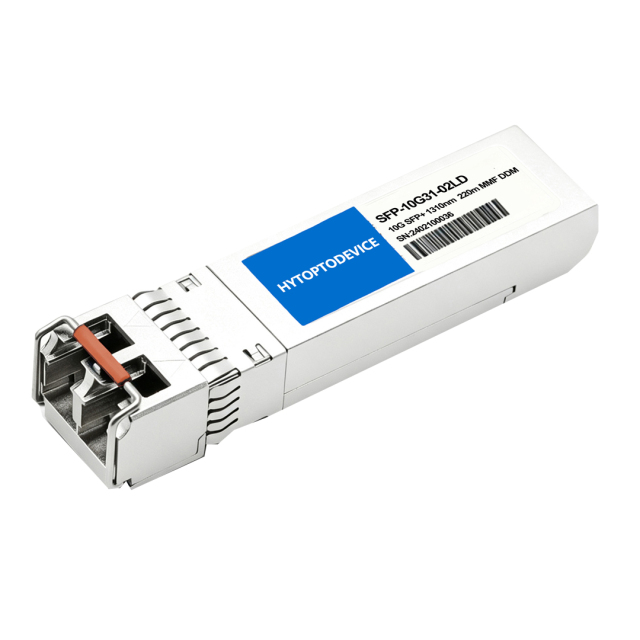
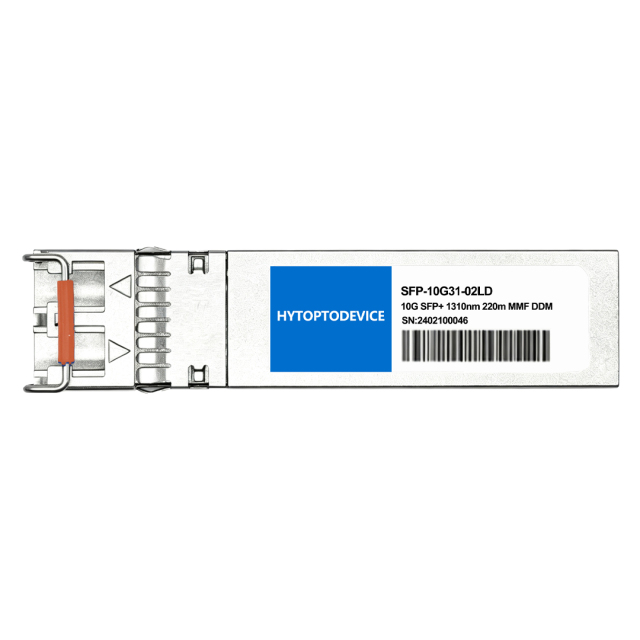
A: LRM2 is an enhanced iteration of the standard SFP+ 10G LRM module standard, optimized for improved signal tolerance on flawed, long-distance legacy multimode fiber. Compared with regular HYTOPTODEVICE SFP+ 10G LRM module, LRM2 features upgraded laser launch control and better DMD suppression, delivering more stable 10G transmission on low-grade OM1/OM2 cabling, while maintaining the same 1310nm wavelength and 220m maximum reach.
Q2: What core advantages make SFP+ 10G LRM module preferable over 10G-SR optics for large-scale campus network upgrades?
A: Campus networks mostly deploy long-distance fixed multimode cabling, and HYTOPTODEVICE SFP+ 10G LRM module boasts a far longer transmission distance than 10G-SR modules. It supports up to 220m stable 10G transmission, perfectly covering campus building-to-building and aggregation link demands. Most importantly, it reuses existing legacy cabling directly, eliminating costly cable replacement and construction downtime for campus 10G upgrades.
Q3: What is a Mode Conditioning Patch (MCP) cord, and what role does it play in 10G LRM links?
A: A Mode Conditioning Patch (MCP) cord is a specialized fiber jumper designed for legacy multimode fiber 10G upgrading scenarios. It precisely adjusts the laser injection mode of HYTOPTODEVICE SFP+ 10G LRM module, restrains modal dispersion and DMD signal distortion common in old OM1/OM2 fiber, and effectively fixes unstable link issues during long-distance 10G LRM transmission.
Q4: What type of optical connector is equipped on standard SFP+ 10G LRM module?
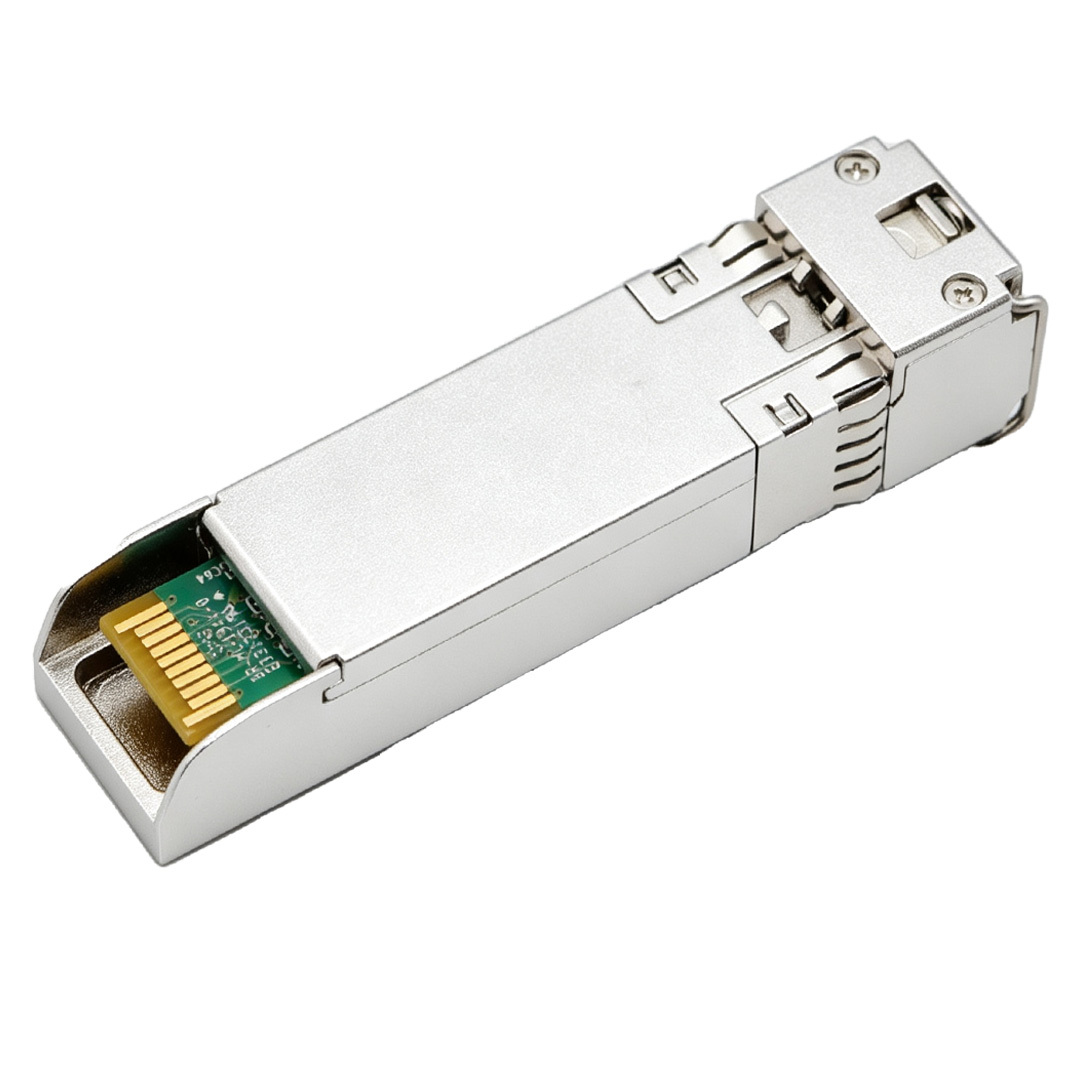
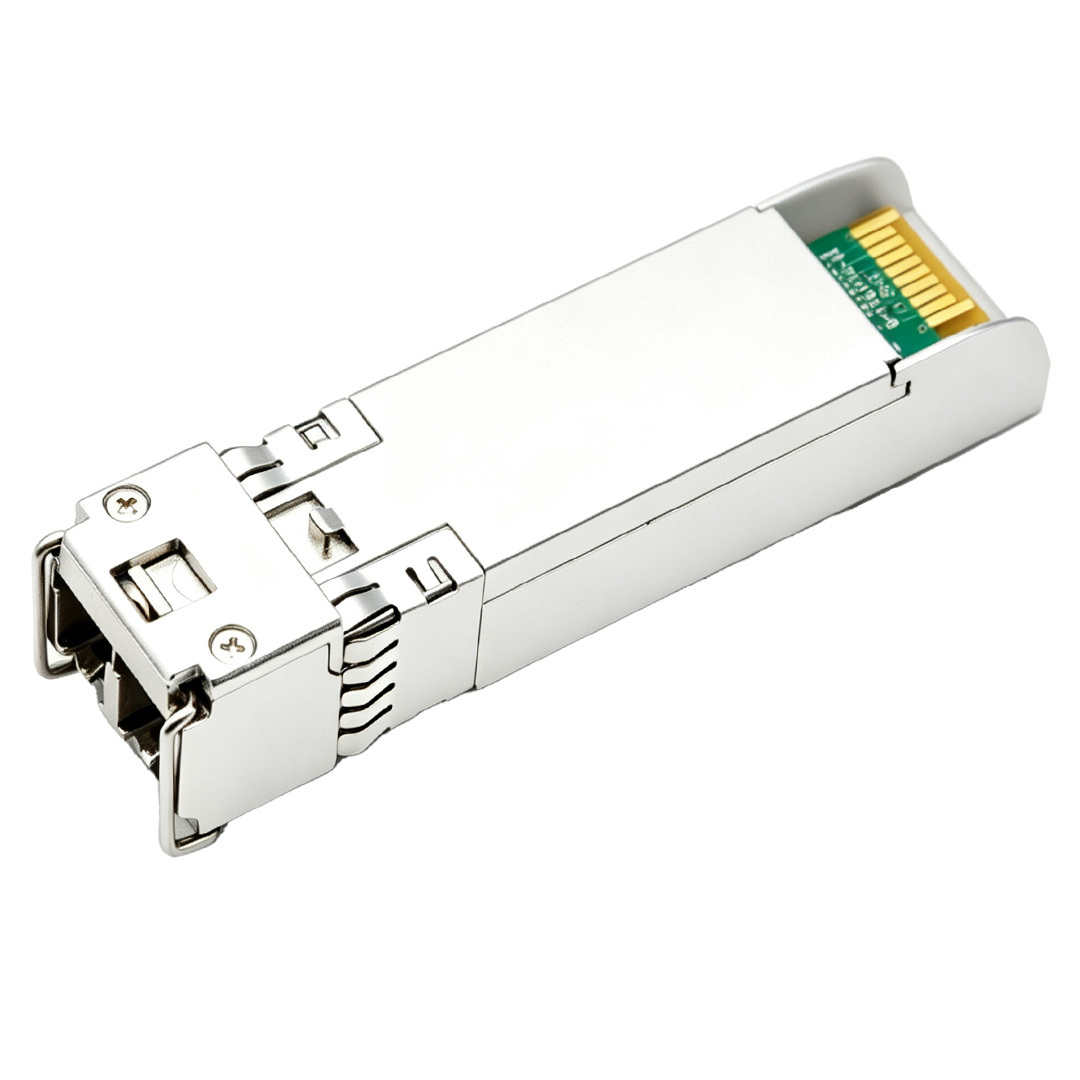
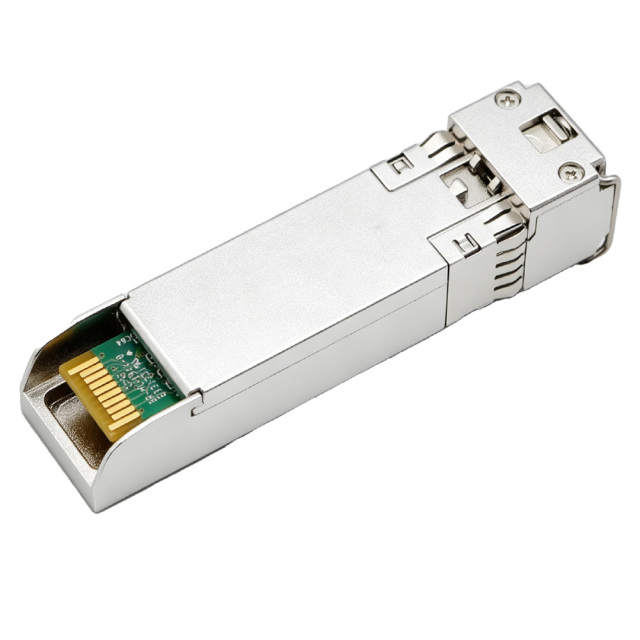
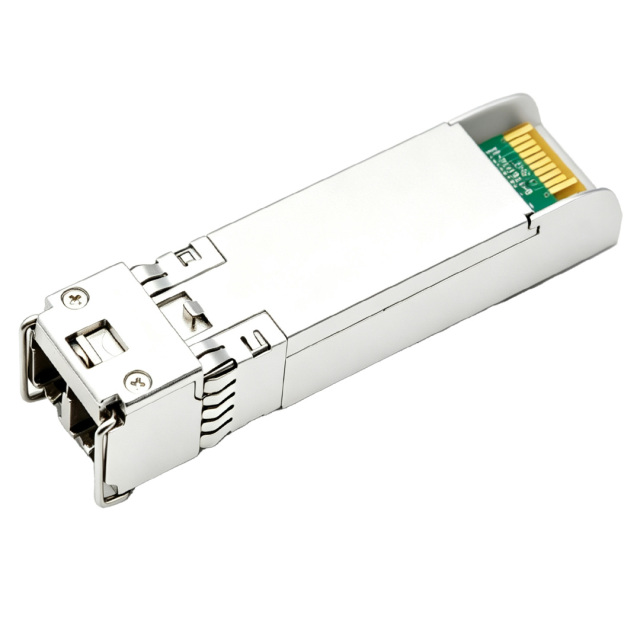
A: HYTOPTODEVICE SFP+ 10G LRM module adopts a universal duplex LC optical connector interface. This compact high-density connector design matches standard data center and campus structured cabling systems, facilitating flexible wiring deployment and dense port stacking for switch and server interconnections.
Q5: Is an optical attenuator required for ultra-short 2-meter patch links using SFP+ 10G LRM module?
A: No optical attenuator is needed for conventional 2-meter ultra-short patch runs. The default transmit power of HYTOPTODEVICE SFP+ 10G LRM module is calibrated for standard multimode link budgets, with no risk of receiver signal saturation or overload in short-distance scenarios. Attenuators are only required for special low-loss ultra-short cabinet internal links with abnormal high receive power.
Q6: What is the maximum optical power overload threshold that SFP+ 10G LRM module can withstand?
A: Compliant with 10GBASE-LRM industry standards, HYTOPTODEVICE SFP+ 10G LRM module has a maximum overload optical power threshold of +0.5dBm. Receive power exceeding this value will cause signal saturation, increased bit errors or link flapping. Users can monitor real-time optical power via DDM function to avoid overload damage.
Q7: Can SFP+ 10G LRM module operate normally in traditional 1G SFP switch ports?
A: It cannot work properly. HYTOPTODEVICE SFP+ 10G LRM module is a dedicated 10G SFP+ form factor device with independent electrical and rate protocols. It is electrically incompatible with 1G-only SFP slots and does not support automatic rate downgrade, resulting in unrecognized ports and failed link initialization.
Q8: Why do HPE brand switches reject third-party SFP+ 10G LRM module during deployment?
A: Most HPE switches enable official transceiver verification mechanism by default. Ordinary third-party SFP+ 10G LRM module lacks official certified EEPROM data, triggering equipment security locks and port rejection. HYTOPTODEVICE provides custom HPE-coded EEPROM firmware for SFP+ 10G LRM module to achieve zero-alarm plug-and-play deployment on HPE devices.
Q9: What is the actual maximum transmission distance of SFP+ 10G LRM module on OM1 62.5/125µm multimode fiber?
A: On traditional OM1 (62.5/125µm) multimode fiber, the stable maximum reach of
HYTOPTODEVICE SFP+ 10G LRM module is 220m under standard loss budget conditions. To ensure error-free transmission at full distance, pairing with a mode conditioning patch cord is strongly recommended to eliminate modal noise interference of old OM1 fiber.
Q10: Can SFP+ 10G LRM module work on OS1/OS2 single-mode fiber, and what is its max distance?
A: SFP+ 10G LRM module is not designed for single-mode fiber (OS1/OS2). Although it uses 1310nm wavelength consistent with single-mode optics, HYTOPTODEVICE SFP+ 10G LRM module adopts multimode-specific laser launch mode. Deploying it on single-mode fiber will cause severe signal distortion, unable to form any valid and stable network links with no available effective transmission distance.
Q11: Does SFP+ 10G LRM module support hot-swappable deployment?
A: Yes. HYTOPTODEVICE SFP+ 10G LRM module fully complies with SFF-8431 hot-swap specifications, supporting live plug-and-play without powering down switches or servers. It allows technicians to replace, install or upgrade 10G LRM modules during normal network operation, minimizing enterprise network maintenance downtime.
Q12: What are the common causes for intermittent link flapping on SFP+ 10G LRM module links?
A: Intermittent flapping of HYTOPTODEVICE SFP+ 10G LRM module links is mainly caused by these factors: dirty or damaged LC connector end faces, missing MCP cords for old OM1/OM2 fiber, excessive fiber splicing loss, out-of-range optical receive power, and incompatible device firmware. Real-time DDM data checking can quickly locate specific faults.
Q13: What is the correct standard method to clean the optical port of SFP+ 10G LRM transceiver?
A: First power off the module port safely, use a professional LC fiber cleaning pen to wipe the SFP+ 10G LRM module optical port end face in one direction, and remove dust, oil stains and impurities. Avoid ordinary paper towels or alcohol cotton swabs to prevent scratch damage. Recheck port cleanliness before reinserting fiber jumpers to ensure stable link transmission.