| NO. | Item | Specification |
| 1 | Speed | 800G |
| 2 | Wavelength | 1271nm, 1291nm, 1311nm and 1331nm |
| 3 | Max Distance | 2km |
| 4 | Connector | Dual Duplex LC |
| 5 | Fiber Type | Single-Mode Fiber (SMF) |
| NO. | Brand | Compatible P/N | Remarks |
| 1 | Cisco | OSFP-2X400G-FR4 | |
| 2 | Arista | OSFP-800G-2FR4 | |
| 3 | Juniper | OSFP-2X400G-FR4-P | |
| 4 | H3C | OSFP800-800G-2FR4-WDM1300-DLC | |
| 5 | NVIDIA/Mellanox | MMS4X50-NM |
This twin-port OSFP transceiver is 100% compatible with NVIDIA’s high-performance 800G computing and network switching ecosystems. Verified hardware includes:
NVIDIA Quantum-2 InfiniBand Switches:
Quantum-2 QM9700 / QM9790 Series (32-port 800Gb/s InfiniBand OSFP switches)
NVIDIA Spectrum-4 Ethernet Switches:
Spectrum-4 SN5000 Series (e.g., SN5600 64-port 800GbE OSFP switch)
NVIDIA ConnectX-7 & BlueField-3 Platforms:
SuperNICs, Adapter Cards, and Data Processing Units (DPUs) utilizing high-speed 400G/800G OSFP system links.
The NVIDIA/Mellanox MMS4X50-NM is optimized for high-throughput, latency-critical, and long-reach network topologies:
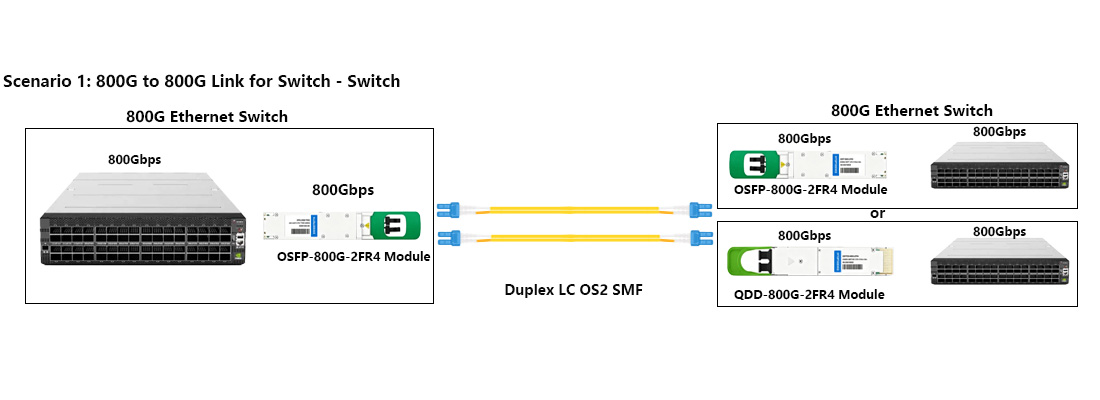
NVIDIA Quantum-2 InfiniBand & Spectrum-4 Ethernet Fabrics: Interconnects air-cooled high-density switches in spine-leaf layouts over longer distances without sacrificing line-rate throughput.
GPU Cluster Aggregation: Links ultra-dense AI clusters (such as NVIDIA DGX H100/H200/B200 nodes) to core switches or distinct server halls separated by up to 2km.
800G to 2x 400G Single Mode Breakouts: Enables clean, physical 400G breakout uplinks to Top-of-Rack (ToR) switches or server adapter network interfaces over cost-efficient standard LC fiber lines.
Intra-Data Center Backbone Transport: Facilitates reliable, high-capacity 800G links across massive automated data center campuses up to 2km apart.
NVIDIA/MellanoxCompatible |
MMS4X50-NM |
Vendor Name | HYTOPTODEVICE |
| Form Factor | OSFP | Max Data Rate | 850Gbps (8x 106.25Gbps) |
| Wavelength | 1271nm, 1291nm, 1311nm and 1331nm
|
Max Distance | 2km |
| Modulation Format | PAM4 | Host Required | FEC |
| Connector | Dual Duplex LC | Voltage Supply | 3.3V |
| Cable Type | SMF | DDM Support | Yes |
| Transmitter Type | EML | Receiver Type | PIN |
| TX Power | -3.2~+4.4dBm | Receiver Sensitivity | < -4.6dBm |
| Operation Temperature | 0 to 70°C (32 to 158°F) | Maximum Power | < 16W |
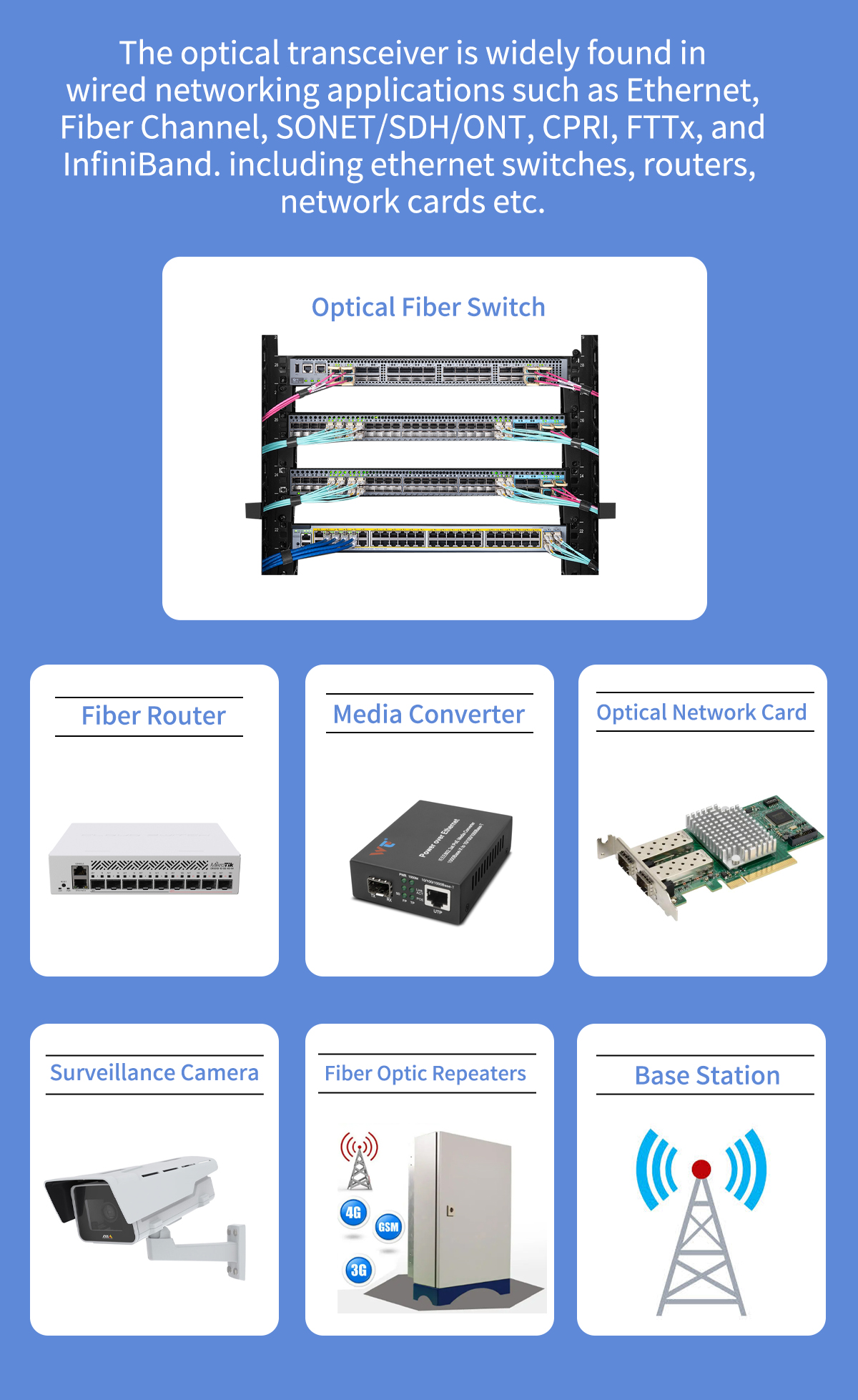
| Protocols | IEE802.3ck, IEEE 802.3cu, OSFP MSA | Application | 800G Ethernet, Data Center Interconnect, Infiniband Interconnects |

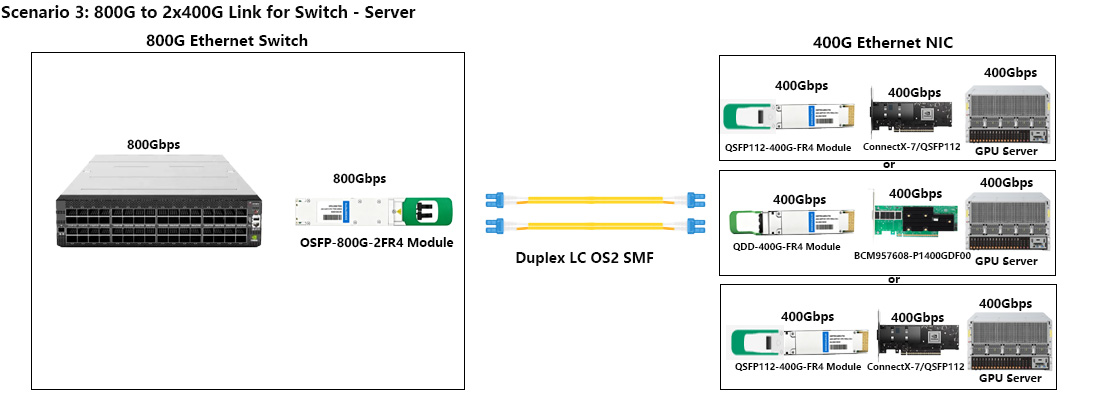
Q1: What is the exact architecture of the H3C OSFP800-800G-2FR4-WDM1300-DLC? A1: It is an 800Gbps transceiver utilizing the OSFP form factor that features a twin-port (2x400G) architecture. Internally, it splits into two completely separate 400Gbps FR4 logical interfaces over a single physical module.
Q2: What do the "WDM1300" and "DLC" suffixes stand for? A2: "WDM1300" indicates that the optical module operates in the 1300nm wavelength band using Wavelength Division Multiplexing (CWDM4). "DLC" stands for Dual Duplex LC, it means that the module has two separate duplex LC ports on its front faceplate.
Q3: What is the maximum reach and optical wavelength specs for OSFP800-800G-2FR4-WDM1300-DLC?A3: Its transmission distance is up to 2km over single-mode fiber(SMF) via dual duplex LC.It has 2x400G port, Each 400G port utilizes 4 CWDM wavelengths: 1271nm, 1291nm, 1311nm, and 1331nm.
Q4: Does this module support real-time Digital Optical Monitoring (DOM)? A4: Yes. It supports full dual-port DOM/DDM. Network administrators can independently monitor telemetry data—such as Tx/Rx optical power, bias current, operating temperature, and voltage—for both 400G lines via the network OS.
Q5: Which modulation technology drives this H3C 800G OSFP transceiver? A5: The module implements high-speed 100G PAM4 (Pulse Amplitude Modulation 4-level) technology across 8 electrical and 8 optical channels (2x4x100G).
Q6: What is the difference between the MMS4X50-NM (2xFR4) and the MMS4X00-NM (DR8)? A6: The MMS4X00-NM (DR8) uses parallel fibers (via MPO) running 100G per lane over 500m. This module, the MMS4X50-NM (2xFR4), uses wavelength division multiplexing (CWDM) to transmit signals over standard dual-fiber duplex LC connections, reaching up to 2km.
Q7: Is Forward Error Correction (FEC) required for operation? A7: Yes. Host platforms must enable KP4 FEC on the active ports to comply with IEEE 802.3cu standards and guarantee a stable, error-free link across the 2km distance.
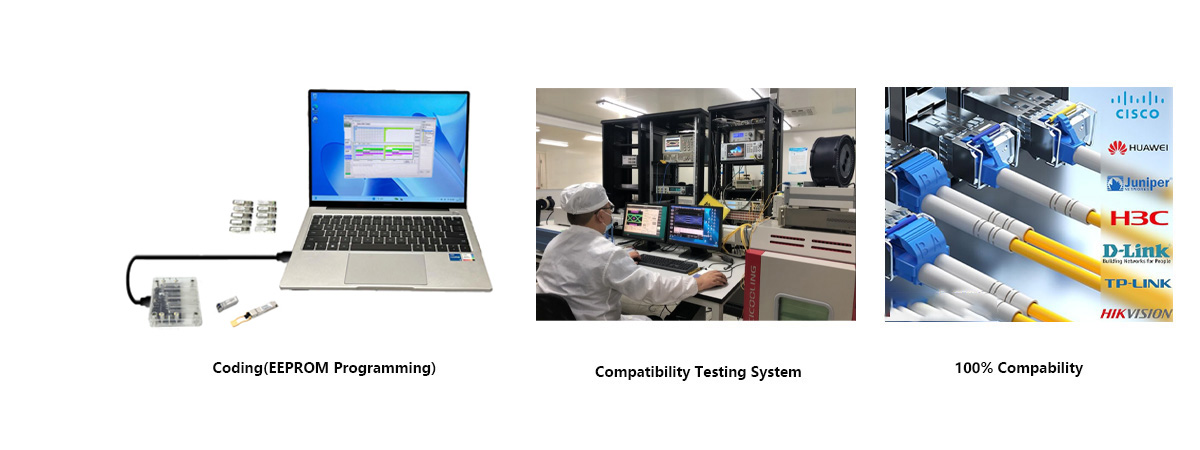
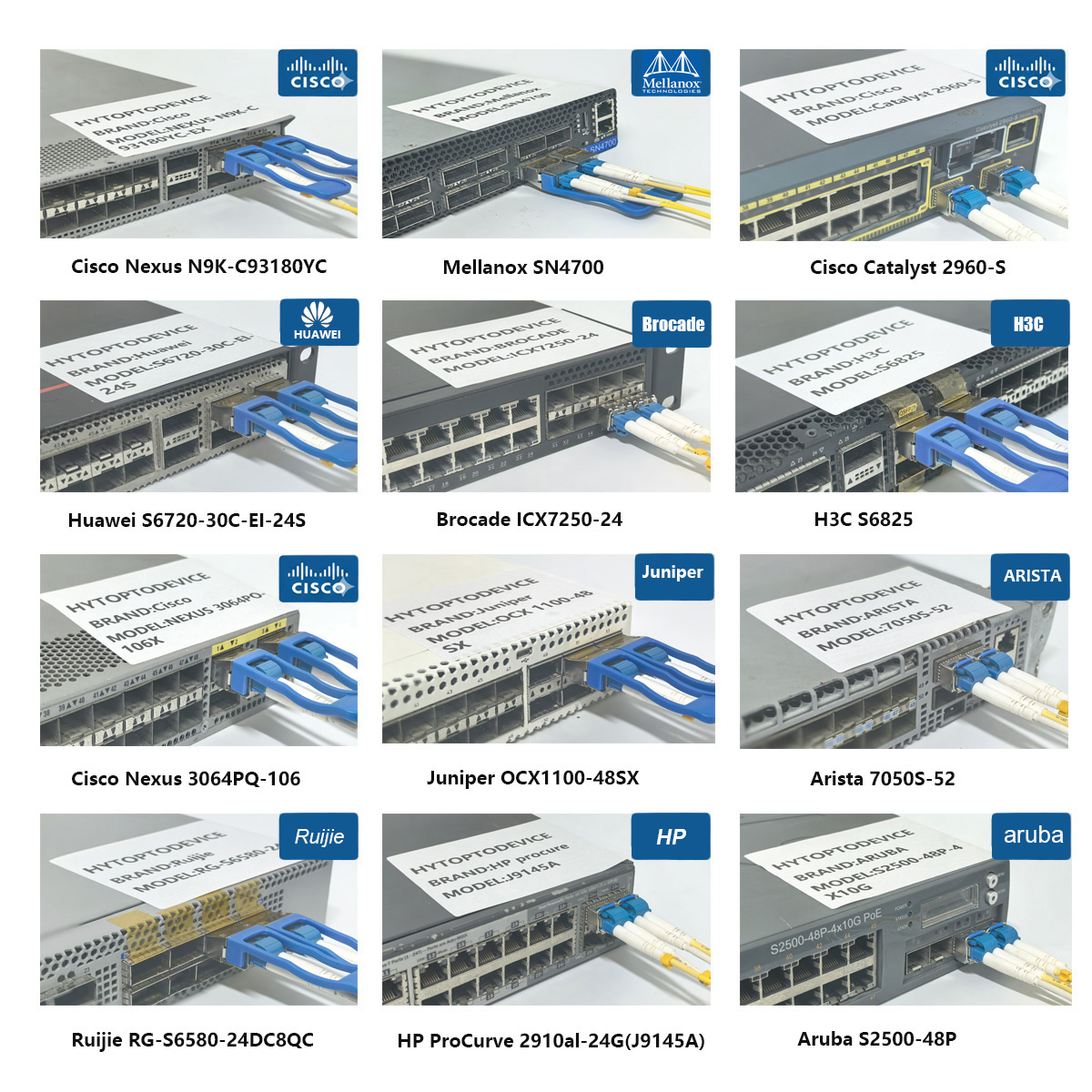
Q8: Will a third-party compatible optical transceiver trigger system warnings on an NVIDIA Quantum or Spectrum switch? A9: No. Our compatible transceivers are pre-programmed with genuine NVIDIA/Mellanox EEPROM. When third-party transceiver is inserted, the switch identifies it immediately as a fully supported transceiver without triggering port lockouts or "unsupported transceiver" warning messages. use it with peace mind.
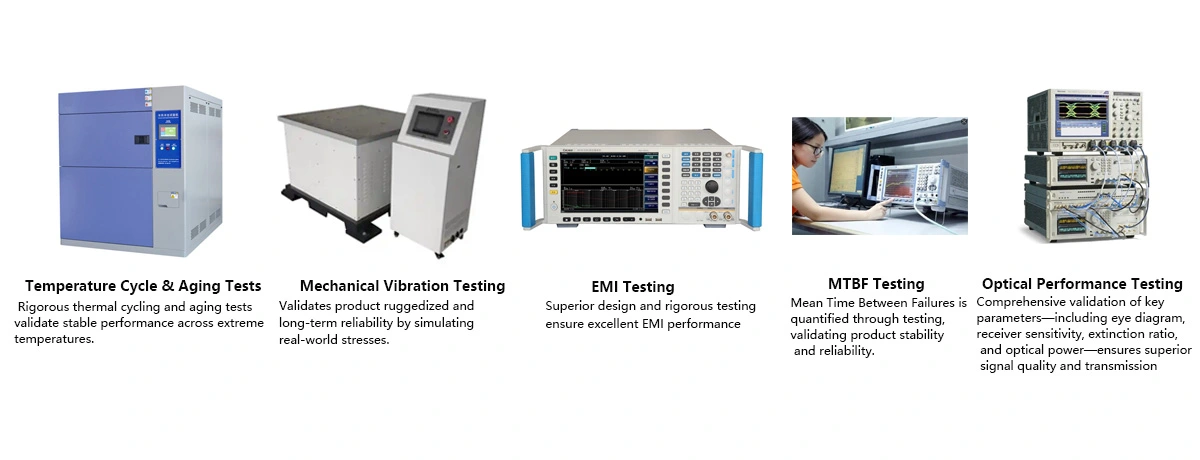
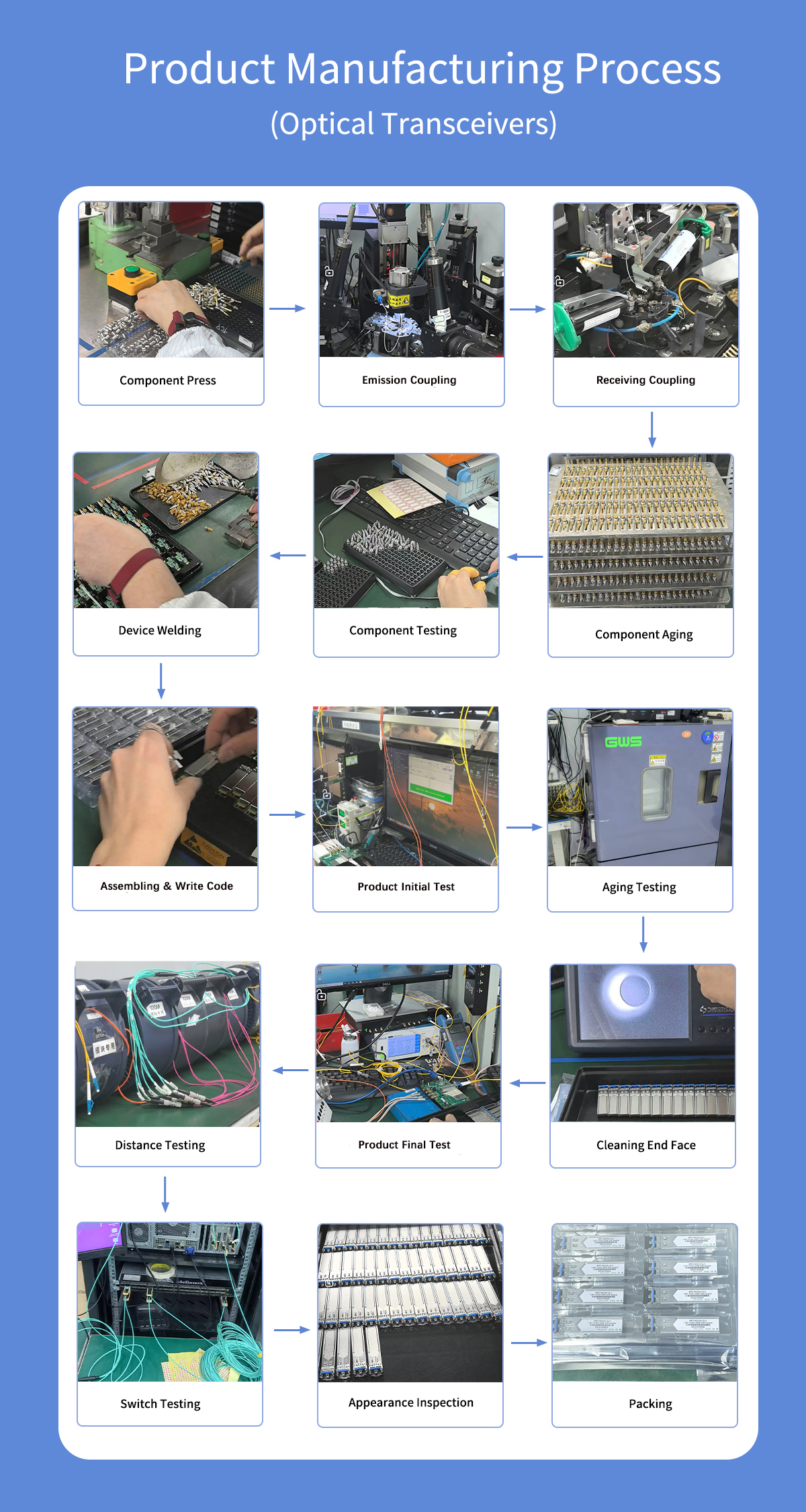
HYTOPTODEVICE has supplied over 5000,000 optical transceiver modules to data centers, ISPs, and enterprise networks across 100+ countries since 2011. Every module undergoes a 72-hour burn-in test and full DDM/DOM validation before shipment.
"We replaced 200 Cisco-branded SFPs with HYTOPTODEVICE equivalents across our spine layer — zero compatibility issues, 40% cost reduction."— Network Architect, Tier-2 ISP, Germany
Quality Certification & Compliance:
At HYTOPTODEVICE, our quality commitment is backed by industry-standard validations. From fiber optical transceiver manufacturing to final inspection, our processes ensure global compliance and reliability.
We adhere to rigorous standards for our SFP modules and network solutions:
ISO 9001: Certified quality management and production consistency.
CE & FCC: Fully compliant for seamless Global Market Access.
RoHS: Committed to environmental responsibility and hazardous material control.
Proven Reliability: Rigorous testing to reduce compliance risk and ensure safety.
Certified Quality. Global Standards. Guaranteed Performance.