| NO. | Item | Specification |
| 1 | Speed | 200G |
| 2 | Wavelength | 1271,1291,1311,1331nm |
| 3 | Max Distance | 2km |
| 4 | Connector | Duplex LC |
| 5 | Fiber Type | Single-Mode Fiber (SMF) |
| NO. | Brand | Compatible P/N | Remarks |
| 1 | Cisco | QSFP-200G-FR4-S | |
| 2 | Arista | QSFP-200G-FR4 | |
| 3 | Huawei | QSFP56-200G-FR4 | |
| 4 | H3C | QSFP56-200G-FR4 |
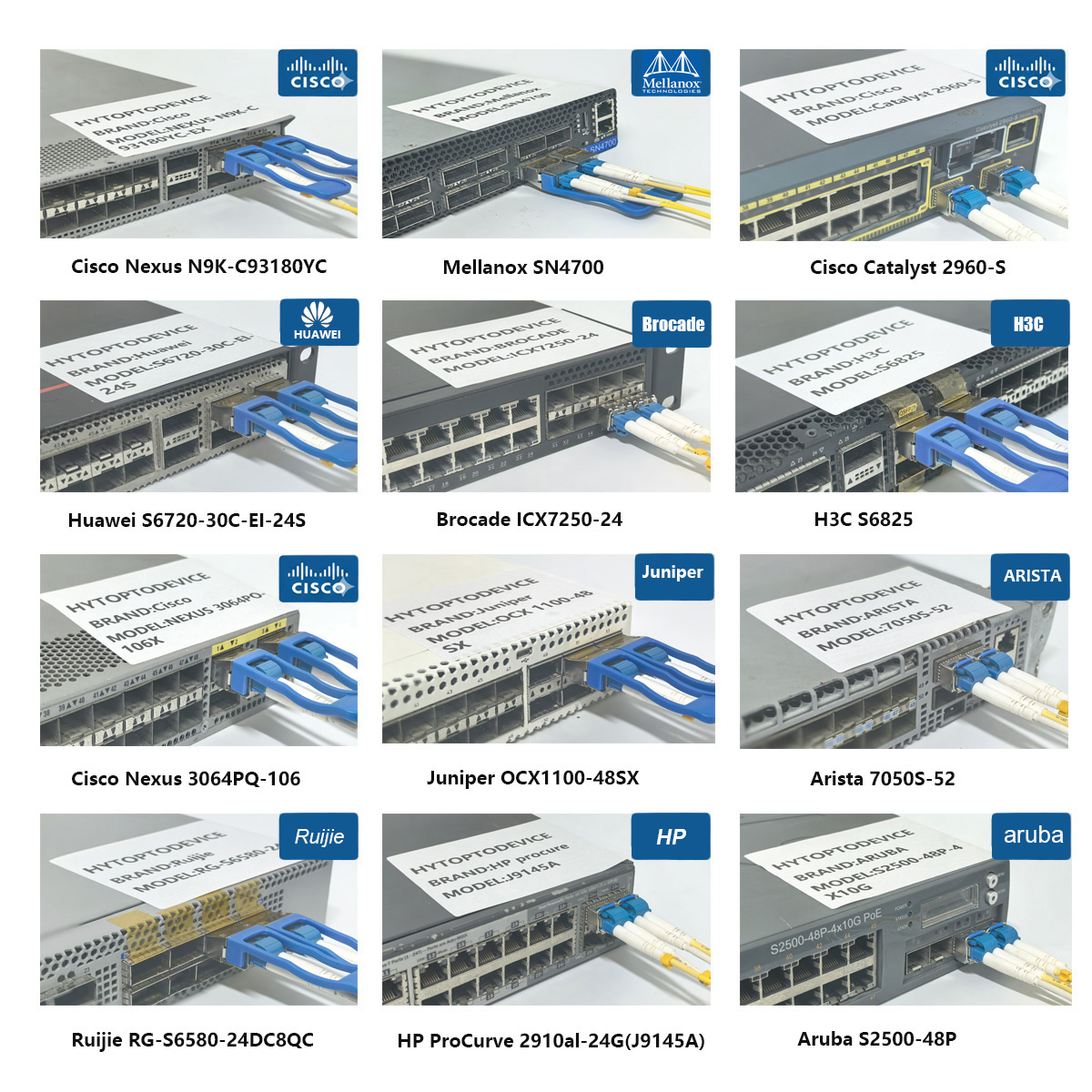
The Arista QSFP-200G-FR4 transceiver is optimized to integrate seamlessly across Arista’s cloud-scale portfolios running Arista EOS® (Extensible Operating System):
Compatible Models: Arista DCS-7060DX4-32 (QSFP-DD), Arista DCS-7060PX4-32 (OSFP), and native QSFP56 line cards inside the 7060X platform family.
Compatible Models: Arista DCS-7280CR3-32D, Arista DCS-7280CR3K-32D, and modular QSFP56-capable line interfaces within the 7280R3 1RU/2RU fixed or modular infrastructure.
Compatible Models: Arista DCS-7368X4-G2 and modular chassis variants utilizing 400G/200G breakout line cards.
Compatible Models: Arista DCS-7050CX3-32S, Arista DCS-7300X3 platforms. The module automatically drops into 100GBASE-CWDM4 mode when linked against legacy 100G ports.
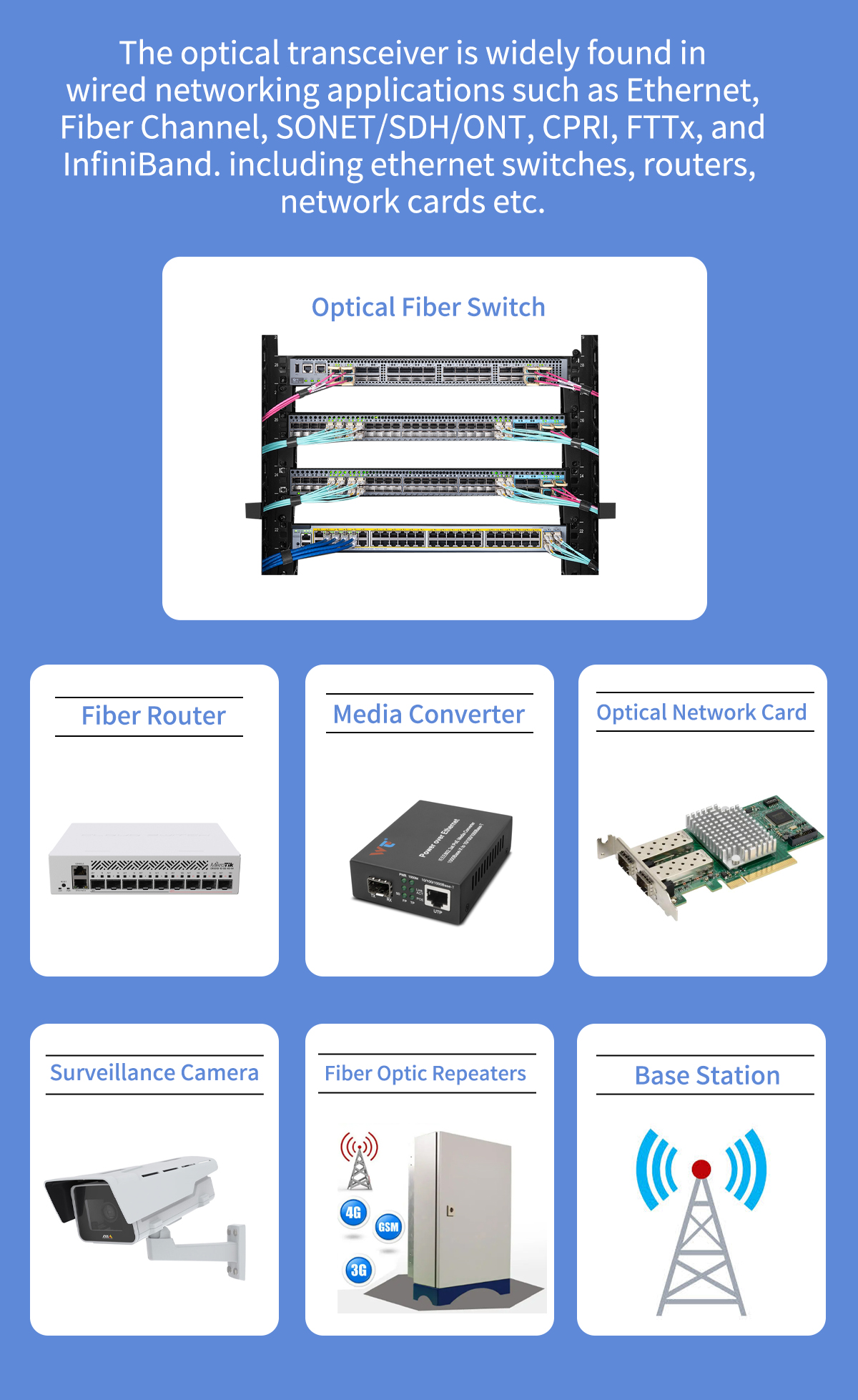
Leaf-to-Spine Interconnects: Upgrading datacenter fabric bandwidth from 100G to 200G utilizing existing single-mode fiber runs.
AI & HPC Clustering: Provides reliable, low-latency interconnection transport links for AI backend computing clusters and ultra-dense storage area networks (SAN).
Enterprise Core Networks: Aggregation layer backbone connections for large campus infrastructures requiring up to 2 km single-mode extensions.
| Arista Compatible |
QSFP-200G-FR4 |
Vendor Name | HYTOPTODEVICE |
| Form Factor | QSFP56 | Max Data Rate | 200Gbps (4x50Gbps) |
| Wavelength | 1271nm, 1291nm, 1311nm and 1331nm
|
Max Distance | 2km |
| Modulation Format | PAM4 | Host Required | FEC |
| Connector | Duplex LC | Voltage Supply | 3.3V |
| Cable Type | SMF | DDM Support | Yes |
| Transmitter Type | EML CWDM4 | Receiver Type | PIN |
| TX Power | -4.2~+4.7dBm | Receiver Sensitivity | < -8.2dBm |
| Operation Temperature | 0 to 70°C (32 to 158°F) | Maximum Power | < 6.5W |
| Protocols | QSFP56 MSA, IEEE 802.3bs 200GBASE-FR4 |
Application | 200G Ethernet, 200G InfiniBand HDR, Data Center Interconnect |


Q1: What is the difference between QSFP56 and QSFP28 form factors?A1: While both share the same physical dimensions, the QSFP56 form factor utilized by the QSFP-200G-FR4-S uses 50G PAM4 modulation per lane (4x 50G), enabling a total bandwidth of 200G. In contrast, QSFP28 relies on older NRZ (Non-Return-to-Zero) modulation at 25G per lane (4x 25G) to deliver 100G total bandwidth.
Q2: Does this module support a breakout configuration into multiple 50G links? A2: No. Because the FR4 transceiver uses Coarse Wavelength Division Multiplexing (CWDM4) to combine all four lanes inside a single duplex LC fiber connector, you cannot physically separate the wavelengths into distinct 50G or 100G independent ports.
Q3:Is a Host Forward Error Correction (FEC) configuration required? A3: Yes. To achieve error-free performance up to 2 km at 200G speeds, the host system must have KP4 FEC (RS-FEC) enabled on the switch ports. In EOS, configuring the port to speed 200g-4 typically initializes this automatically.
Q4: Can I plug this QSFP56 module into an Arista 400G QSFP-DD port? A4: Yes. Arista QSFP-DD ports are physically backward compatible with QSFP56 and QSFP28 form factors. The module will fit safely and operate at 200G, provided the speed command for that slot is set explicitly to 200g-4 in Arista EOS.
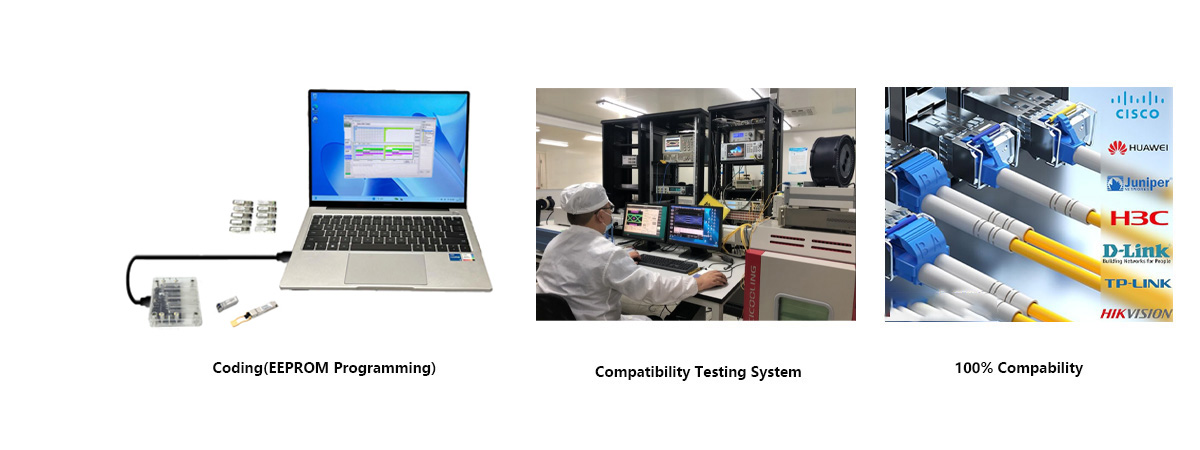
Q5: Is the Arista QSFP-200G-FR4 compatible with third-party, non-Arista switches? A5: This specific Arista OEM module contains Arista-specific EEPROM coding. If plugged into a non-Arista switch that strictly enforces vendor locking, the host switch may flag it as unauthorized. For mixed-vendor environments, custom-coded compatible optics are typically recommended.
Q6: What is the power budget advantage of the Arista QSFP-200G-FR4? A6: The module features a highly optimized internal architecture, keeping maximum power dissipation under 5.5 Watts. This is significantly lower than the standard 7.0W ceiling of the QSFP56 specification, reducing datacenter cooling overhead.
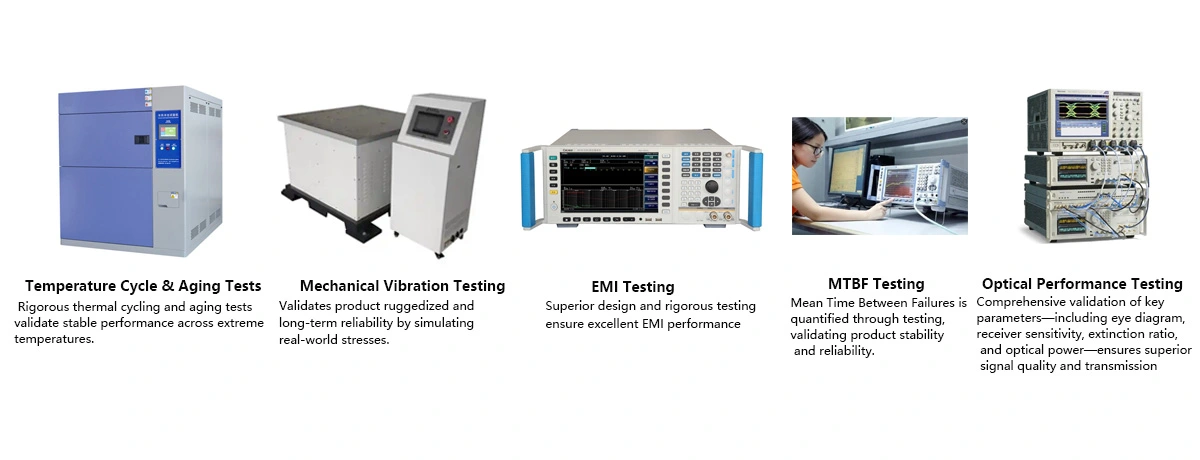
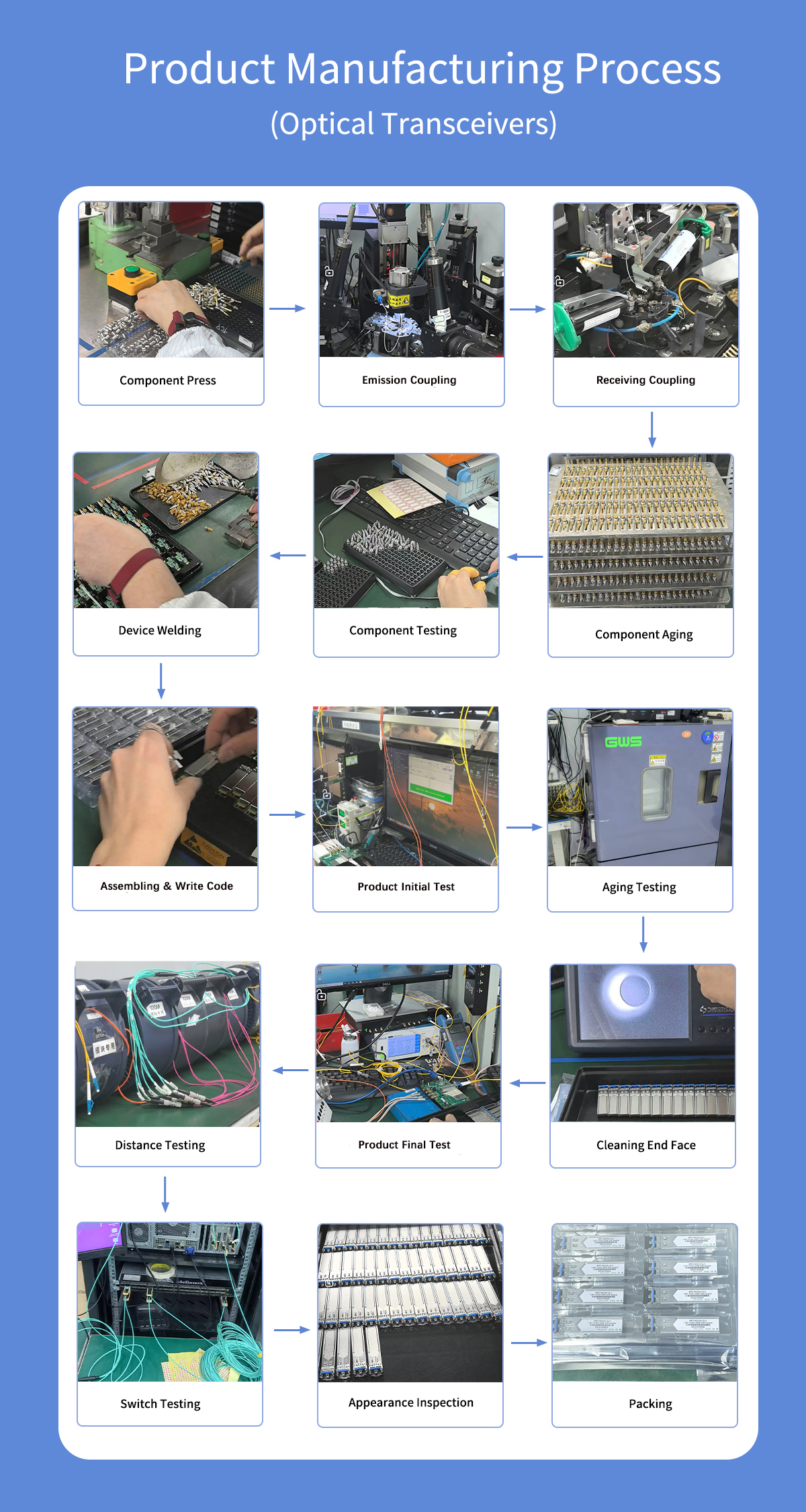
HYTOPTODEVICE has supplied over 5000,000 optical transceiver modules to data centers, ISPs, and enterprise networks across 100+ countries since 2011. Every module undergoes a 72-hour burn-in test and full DDM/DOM validation before shipment.
"We replaced 200 Cisco-branded SFPs with HYTOPTODEVICE equivalents across our spine layer — zero compatibility issues, 40% cost reduction."— Network Architect, Tier-2 ISP, Germany
Quality Certification & Compliance:
At HYTOPTODEVICE, our quality commitment is backed by industry-standard validations. From fiber optical transceiver manufacturing to final inspection, our processes ensure global compliance and reliability.
We adhere to rigorous standards for our SFP modules and network solutions:
ISO 9001: Certified quality management and production consistency.
CE & FCC: Fully compliant for seamless Global Market Access.
RoHS: Committed to environmental responsibility and hazardous material control.
Proven Reliability: Rigorous testing to reduce compliance risk and ensure safety.
Certified Quality. Global Standards. Guaranteed Performance.