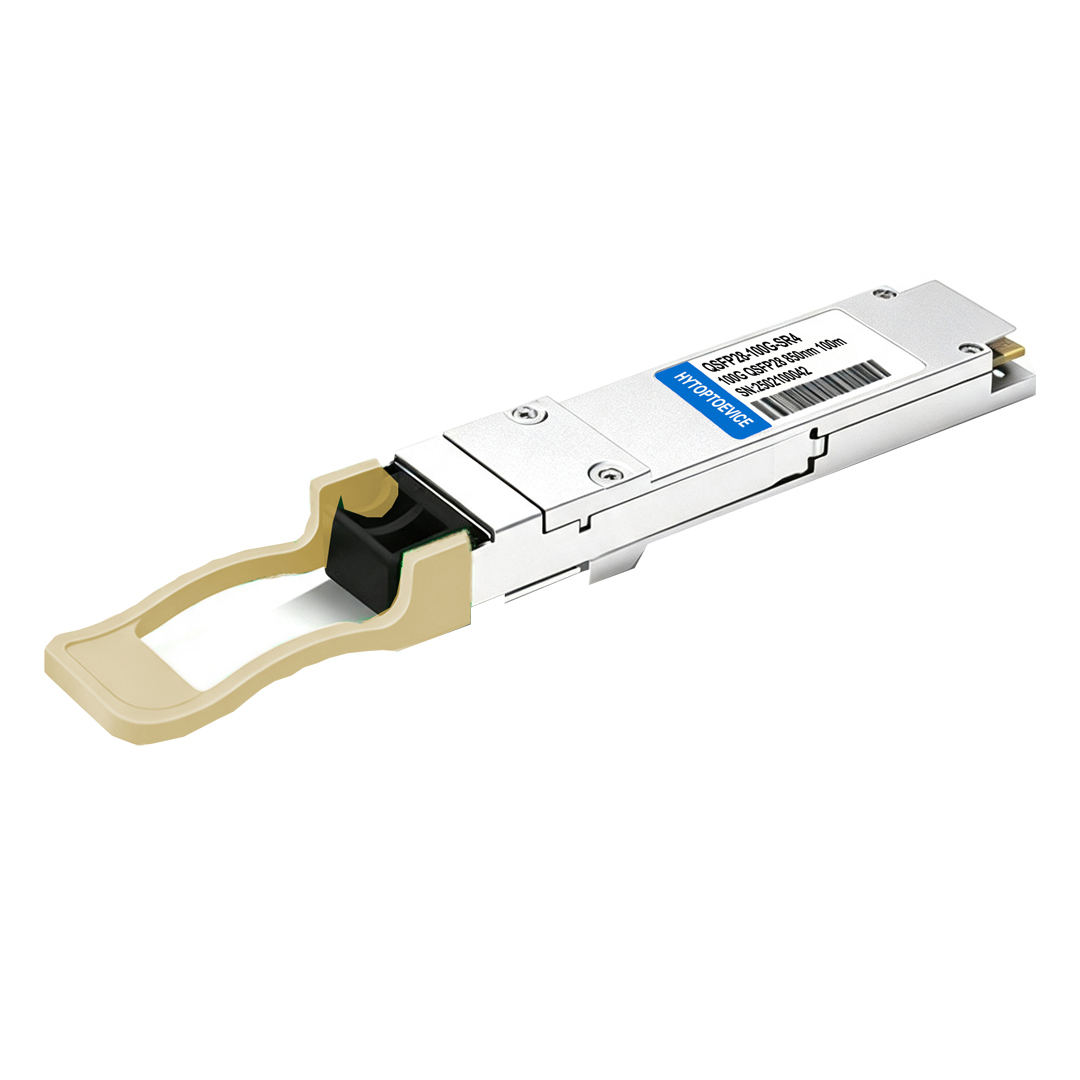
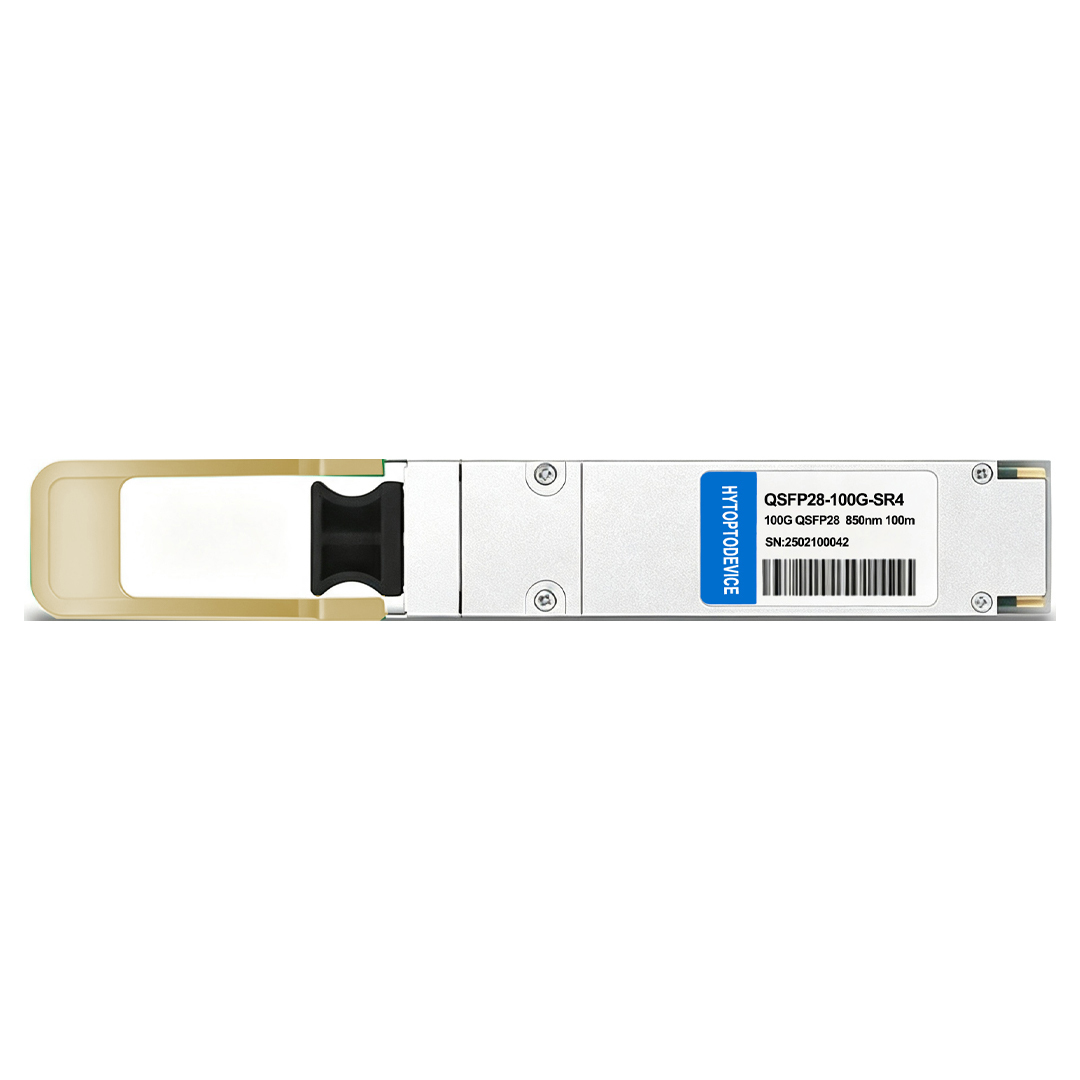
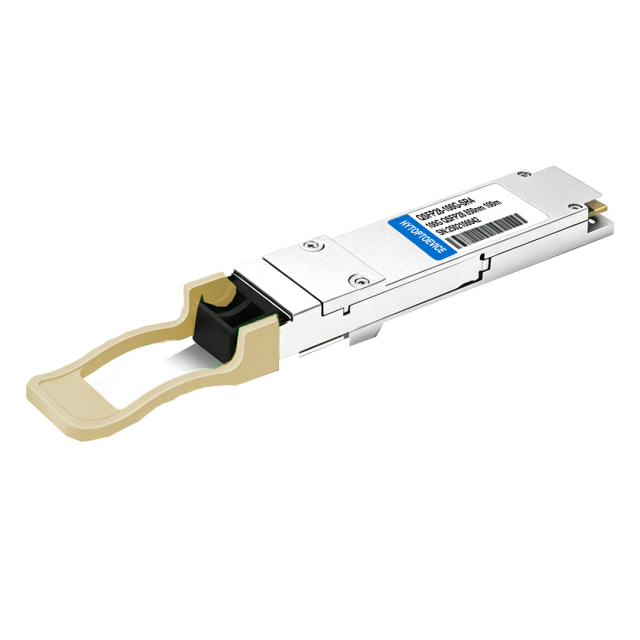
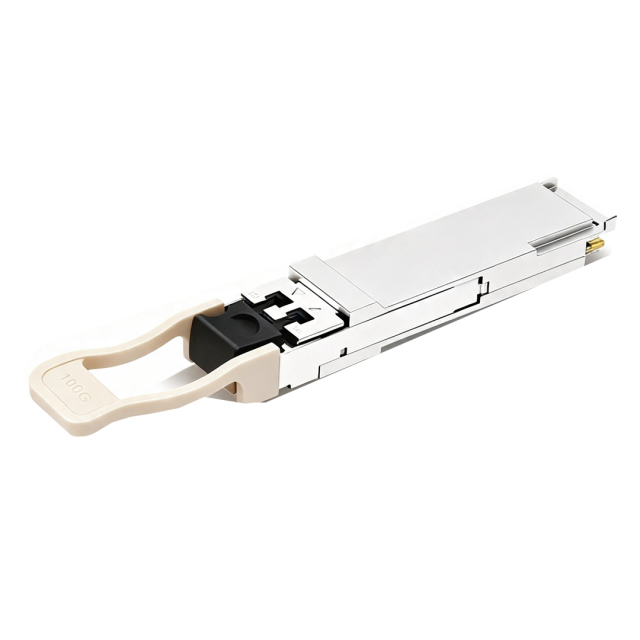
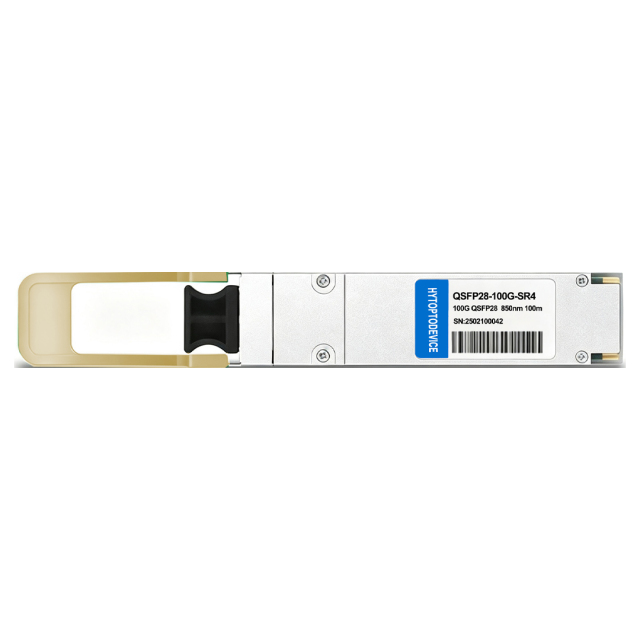
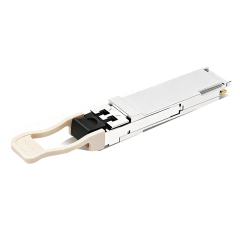
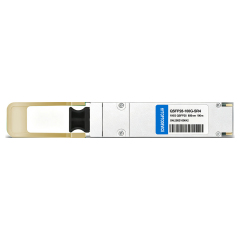
A: Most mainstream brand switches adopt vendor lock-in mechanism that requires matched EEPROM firmware recognition. The HYTOPTODEVICE Huawei QSFP28 100G SR4 transceiver supports customizable vendor ID coding to fit Cisco, Arista, and Juniper platforms. Simply specify your target switch brand during ordering, and our technical team will pre-flash the exclusive compatible firmware, enabling native zero-alarm operation on multi-brand network devices without manual configuration.
Q2: Is it feasible to install a 100G QSFP28 SR4 transceiver into a traditional 40G QSFP+ switch port? A: No, it is not supported for stable network operation. Although the HYTOPTODEVICE Huawei QSFP28 100G SR4 transceiver shares a similar physical appearance with 40G QSFP+ modules, they feature completely different internal high-speed circuit architectures. 100G QSFP28 ports are backward compatible with 40G modules for down-rate transmission, but legacy 40G QSFP+ slots lack the 4×25G signal processing capability required to power up and run a 100G SR4 transceiver, resulting in link failure and device unrecognition.
Q3: What are the reliable working transmission distances for the Huawei compatible 100G SR4 optical module?
A: The effective transmission distance of the HYTOPTODEVICE Huawei QSFP28 100G SR4 transceiver varies by multimode fiber grade. It delivers stable error-free 100G transmission up to 70 meters over standard OM3 multimode fiber, and extends the reliable reach to 100 meters on upgraded OM4 and OM5 high-performance multimode fiber, fully meeting short-range leaf-spine interconnection demands of Huawei data center fabrics.
Q4: Can I extend the transmission distance beyond 100 meters when using OM4 multimode fiber?
A: Extending transmission beyond 100 meters on OM4 fiber is extremely risky and not recommended. The HYTOPTODEVICE Huawei QSFP28 100G SR4 transceiver is calibrated for standard short-range multimode transmission. Exceeding the 100-meter limit will cause severe optical signal dispersion, increased jitter and sharply elevated Bit Error Rates (BER), triggering continuous packet loss and unstable link flapping. For longer-reach data center interconnections, choose our 100G eSR4 extended-range or single-mode 100G transceiver alternatives.
Q5: How much power does this 100G QSFP28 SR4 module consume, and will it cause switch overheating?
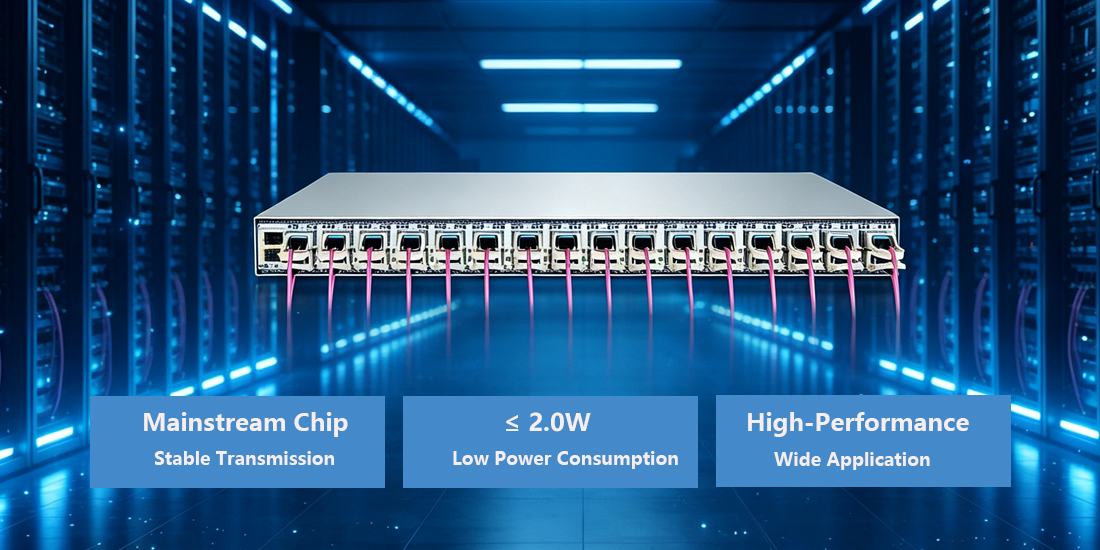
A: The HYTOPTODEVICE Huawei QSFP28 100G SR4 transceiver features optimized low-power circuit design with standard power consumption ranging from 1.5W to 2.0W, with a maximum power draw strictly controlled below 2.5W. It fully complies with Class 3 industry power dissipation standards. The low-heat generation design eliminates overheating risks even in high-density fully populated Huawei switch racks, ensuring long-term stable thermal operation without impacting switch hardware performance.
Q6: What temperature range can this commercial Huawei 100G SR4 transceiver stably operate within?
A: The standard commercial-grade HYTOPTODEVICE Huawei QSFP28 100G SR4 transceiver supports a reliable operating temperature range of 0°C to 70°C (32°F to 158°F), perfectly adapted to temperature-controlled indoor data centers, enterprise server rooms and standard Huawei equipment room environments. For outdoor, industrial or harsh low/high temperature scenarios, we provide customized industrial-grade (-40°C to 85°C) SR4 transceiver models for extreme environment deployment.
Q7: Why is the 100G link offline even after installing transceivers on both ends of the connection?
A: If the HYTOPTODEVICE Huawei QSFP28 100G SR4 transceiver is fully inserted but the switch link indicator remains down, three core causes need troubleshooting: mismatched MPO cable polarity (confused Type A and Type B cables), inconsistent FEC (Forward Error Correction) enable/disable status on two-end Huawei switch ports, and contaminated or scratched MPO-12 fiber end-faces that block normal optical signal transmission. Fixing these issues can quickly restore 100G link connectivity.
Q8: What causes normal Tx power but low Rx signal or LOS alarm on 100G SR4 fiber links?
A: Normal Tx power but low Rx power or loss of signal on the HYTOPTODEVICE Huawei QSFP28 100G SR4 transceiver indicates the optical signal fails to reach the receiving end effectively. This issue is mainly caused by excessive bending, extrusion damage, or dust/oil contamination on the MPO trunk cable and connector end-faces. Comprehensive inspection and cleaning of fiber links and connectors can restore normal optical power reception and stable 100G link operation.
Q9: Does deploying third-party Huawei compatible 100G QSFP28 modules void network switch warranty?
A: Using the HYTOPTODEVICE Huawei QSFP28 100G SR4 transceiver will not void your original switch warranty. Protected by the Magnuson-Moss Warranty Act in major global markets, network device manufacturers cannot legally invalidate hardware warranty services for adopting compliant third-party optical modules. Warranty exemption only applies if the HYTOPTODEVICE transceiver directly causes physical damage to the switch port, which is extremely rare with our fully standardized and tested modules.
Q10: What type of optical receiver chip is equipped on this Huawei 100G QSFP28 SR4 transceiver? A: The HYTOPTODEVICE Huawei QSFP28 100G SR4 transceiver adopts a high-sensitivity professional PIN photodetector array as the core receiving component. This 4-channel parallel PIN receiver chip features low noise, high photoelectric conversion efficiency and strong anti-interference capability, which perfectly matches the 850nm VCSEL laser transmission of 100GBASE-SR4 standard, ensuring ultra-low BER and stable signal reception for Huawei data center parallel multimode links.
Packaging & Custom OEM Solutions
-
ESD Protection & Fast Shipping: Every module is sealed in an ESD-safe bag and ready for same-day dispatch from stock.
-
Custom OEM & Branding: We provide logo printing, private labeling, and custom packaging to help distributors and integrators build their brand—no factory investment required.

Why Network Engineers Choose HYTOPTODEVICE
HYTOPTODEVICE has supplied over 5000,000 optical transceiver modules to data centers, ISPs, and enterprise networks across 100+ countries since 2011. Every module undergoes a 72-hour burn-in test and full DDM/DOM validation before shipment.
- Up to 70% cost savings vs OEM, transparent pricing & flexible bulk rates, supported quality returns
- 100% real-device compatible with Cisco, Huawei,Dell,Juniper, and Arista
- ISO 9001:2015 Shenzhen factory, full lineup: 1.25G/10G/25G/40G/100G/200G/400G/800G/1.6T transceivers
- Ample stock, fast global DHL/FedEx shipping in 3–5 working days
- Free pre-sales engineering support for custom EEPROM & private label firmware
- Real switch test videos available for pre-purchase review; inspection & shipping videos provided per order
“Phenomenal performance. We deployed 200 HYTOPTODEVICE SFP modules to replace Cisco OEMs in our backbone network. Result? Zero compatibility issues and a 60% reduction in costs. Highly recommended for mission-critical networks."— Senior Network Engineer, Regional Telecom, Australia
Quality Certification & Compliance
At HYTOPTODEVICE, our quality commitment is backed by industry-standard validations. From fiber optical transceiver manufacturing to final visual inspection, from IQC、IPQC、FQC to OQC, our processes ensure global compliance and reliability.
We adhere to rigorous standards for our SFP modules and network solutions:
-
ISO 9001: Certified quality management and production consistency.
-
CE & FCC: Fully compliant for seamless Global Market Access.
-
RoHS: Committed to environmental responsibility and hazardous material control.
-
Proven Reliability: Rigorous testing to reduce compliance risk and ensure safety.
Certified Quality. Global Standards. Guaranteed Performance.

Rigorous Industrial Product Testing

100% 3rd Party Compatible

Partial Test Demonstration