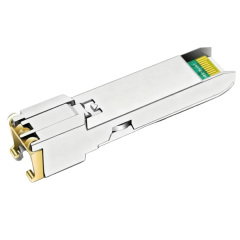
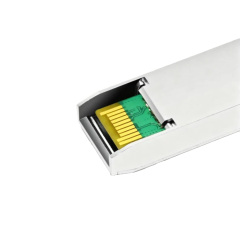
| NO. | Brand | Compatible P/N | Transceiver Type |
| 1 | Aruba | SFP-TX | SFP-GIG-T |
| 2 | Avaya | 700283872 | SFP-GE-T-I |
| 3 | D-link | DGS-712 | 10/100/1000BASE-T |
| 4 | DELL | 310-7225 | SFP-10G-T-30 |
| 5 | Extreme | MGBIC-02 | SFP-10G-T-30I |
| 6 | F5 Networks | F5-UPG-SFPC-R | SFP-10G-T-80 |
| 7 | Fortinet | FN-TRAN-GC | SFP-10G-T-100 |
| 8 | H3C | SFP-GE-T | |
| 9 | HPE BladeSystem | 453154-B21 | |
| 10 | Netgear | AGM734 | |
| 11 | Nortel | AA1419043-E6 |
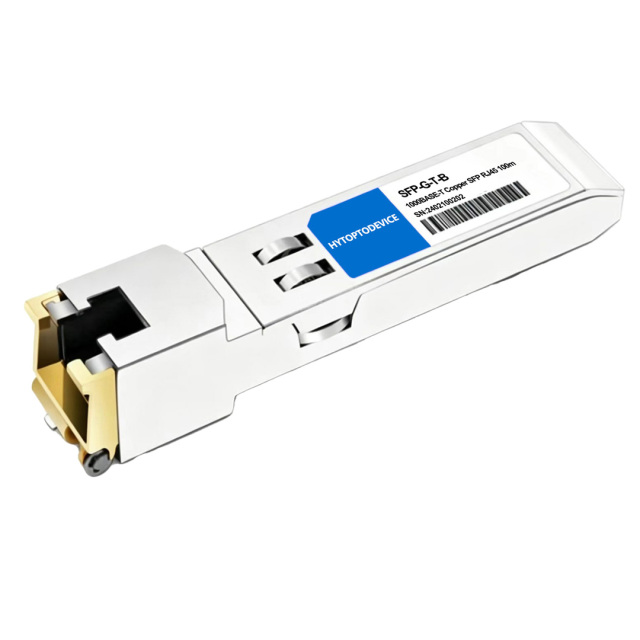
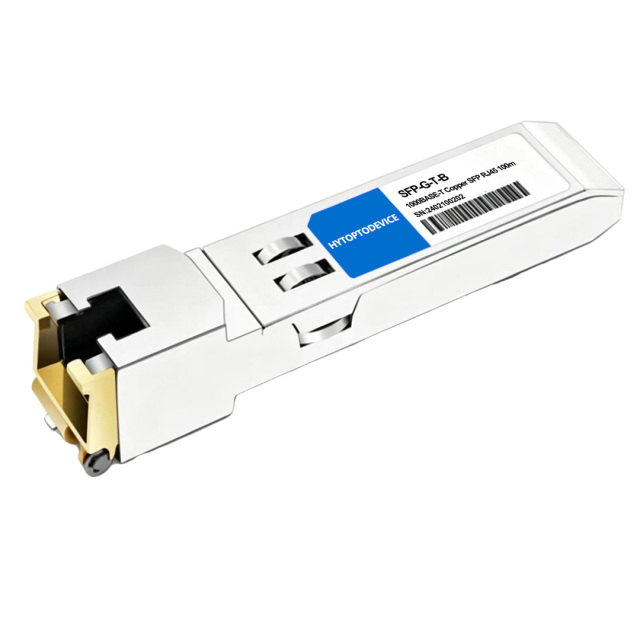
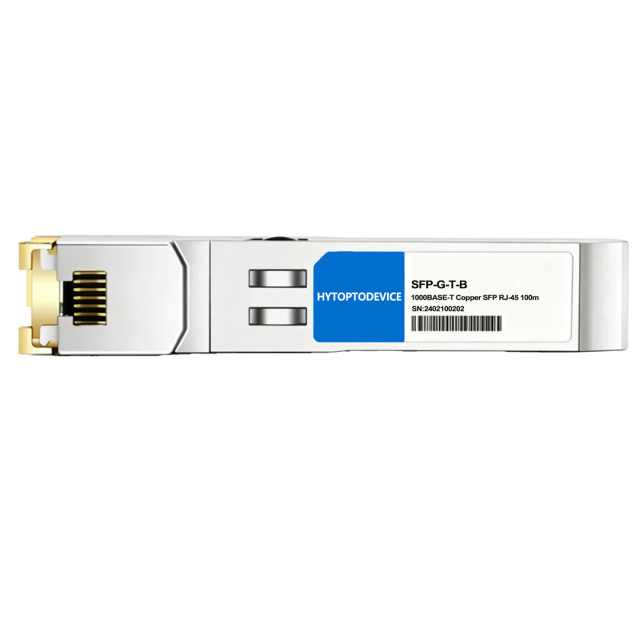
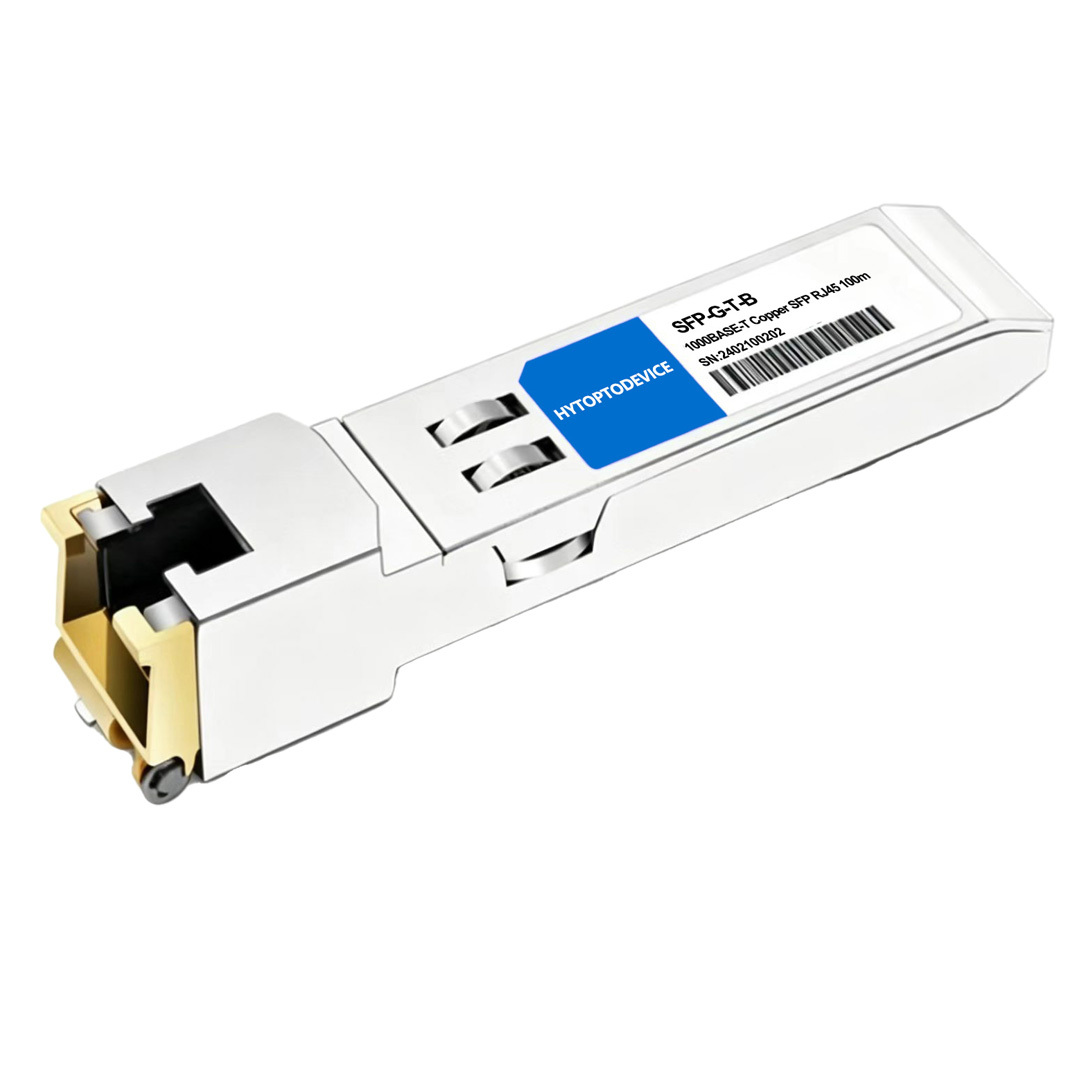
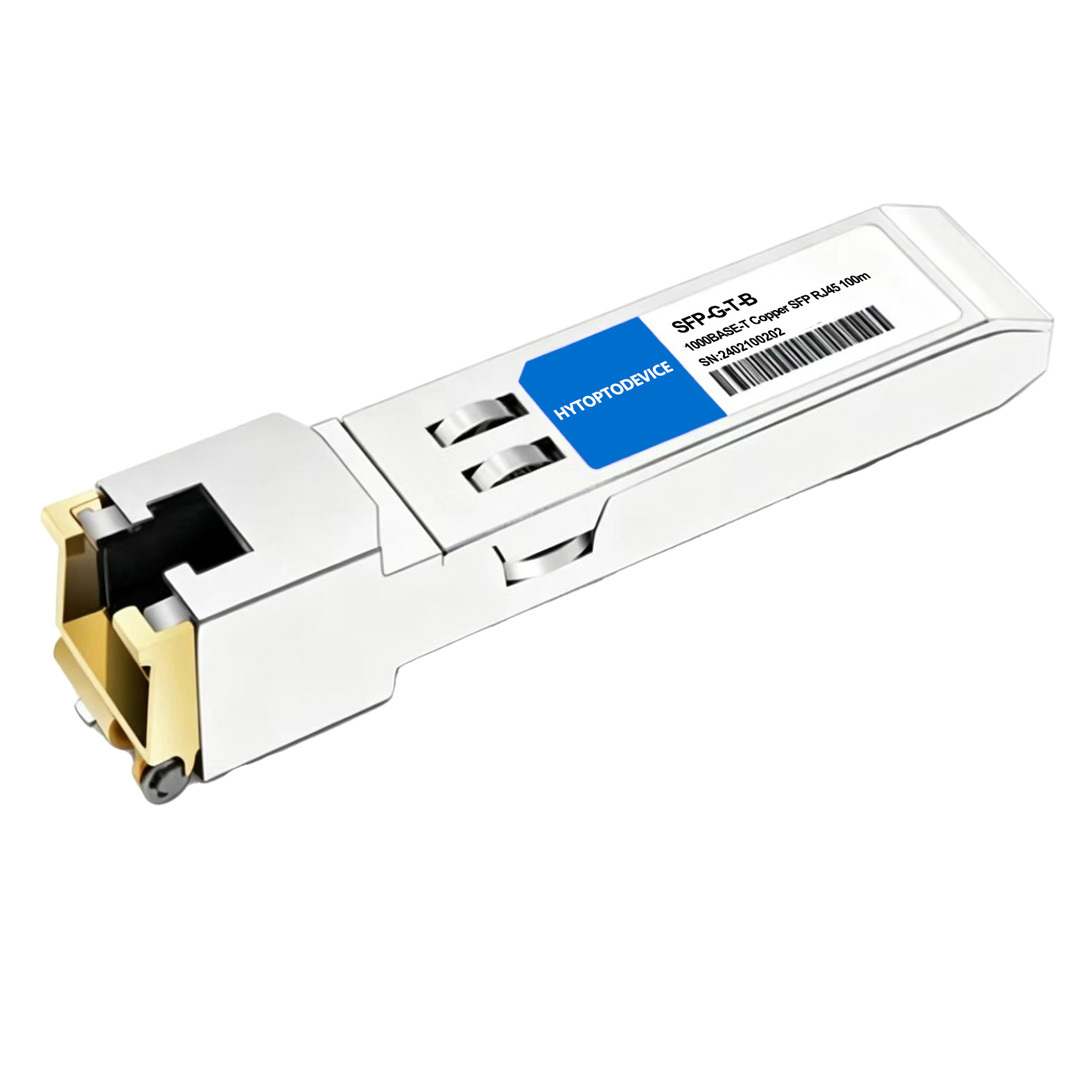
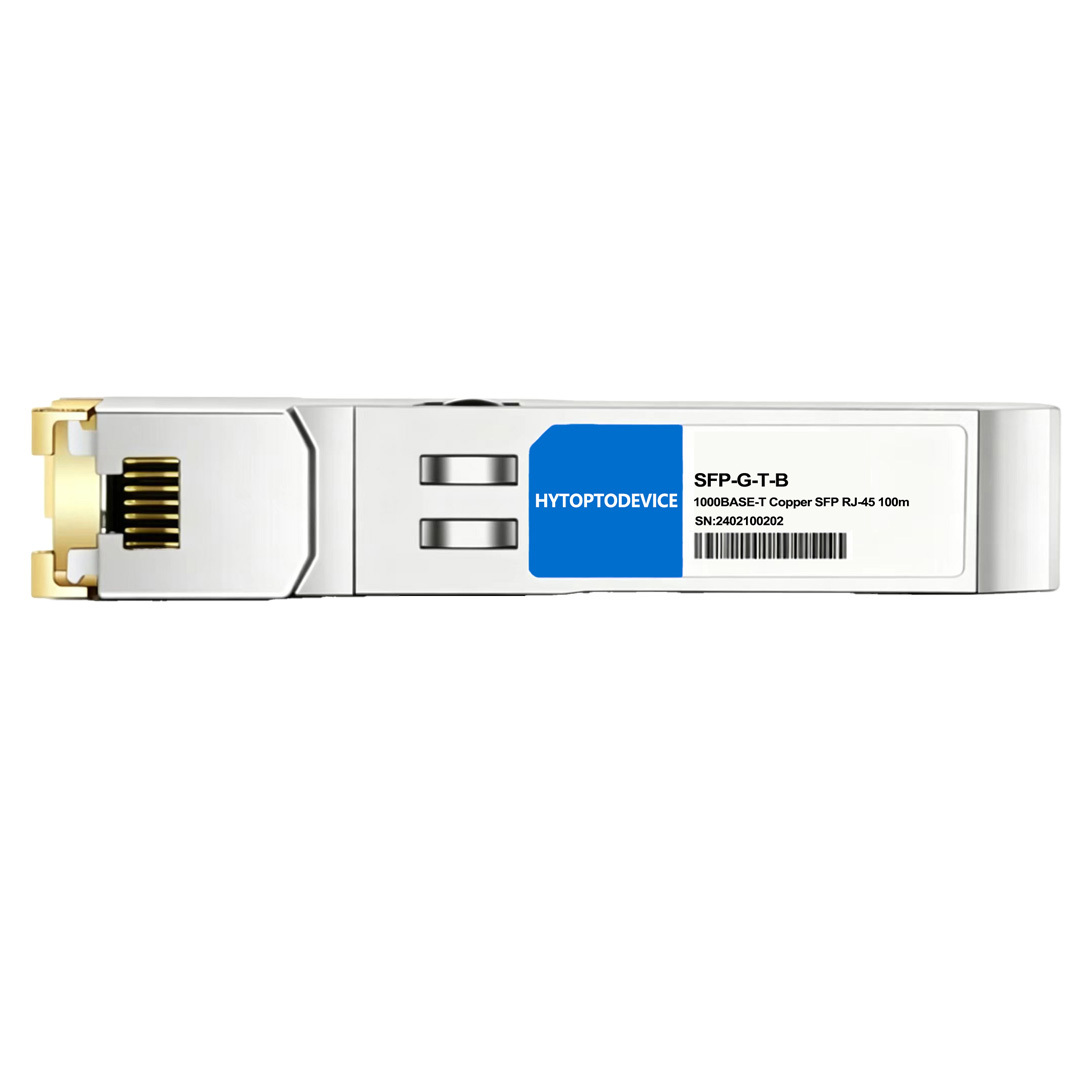
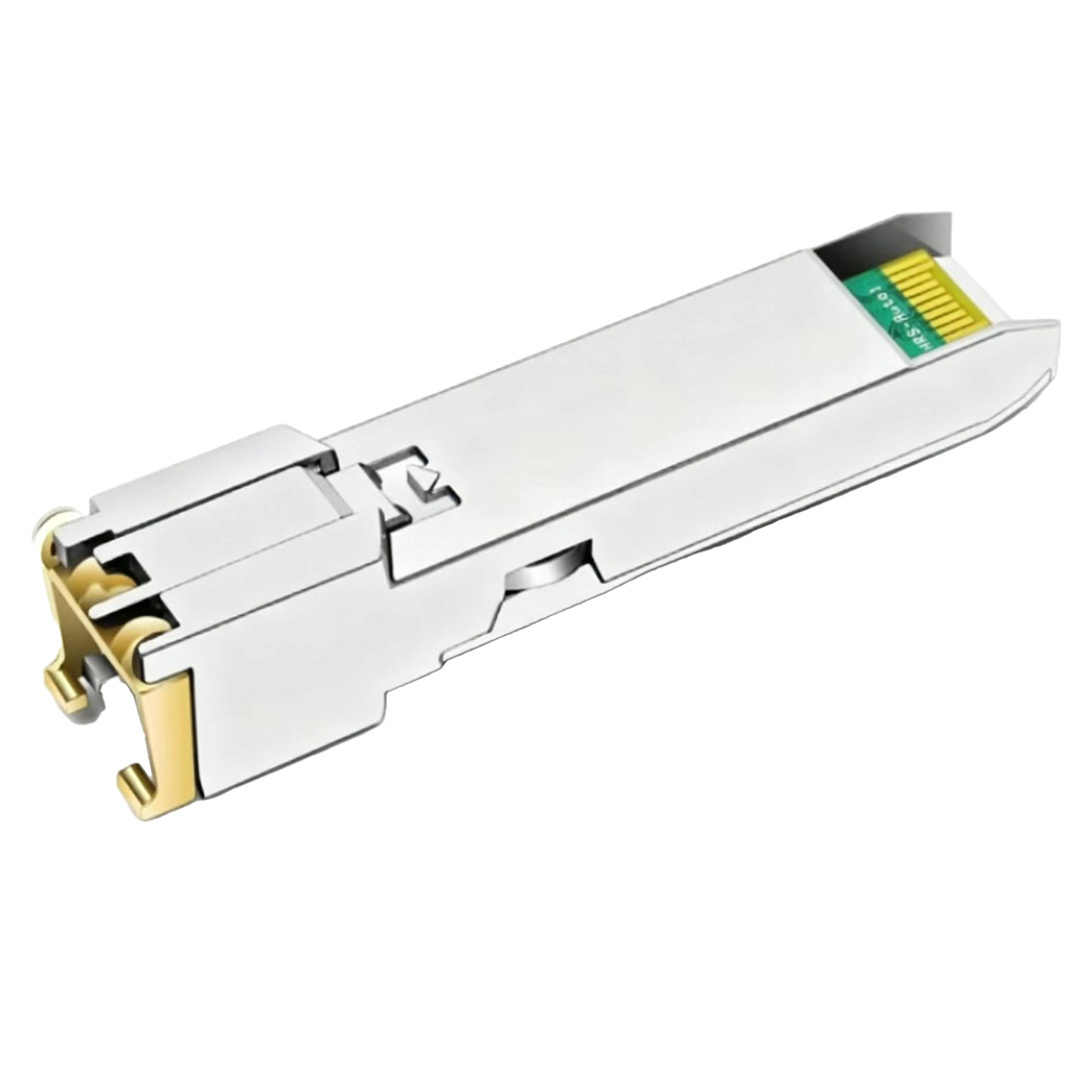
| D-Link Compatible | DGS-712 | Vendor Name | HYTOPTODEVICE |
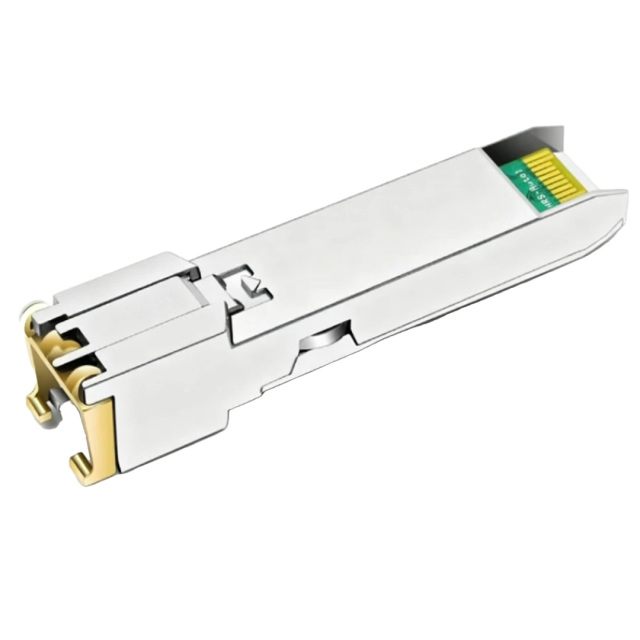
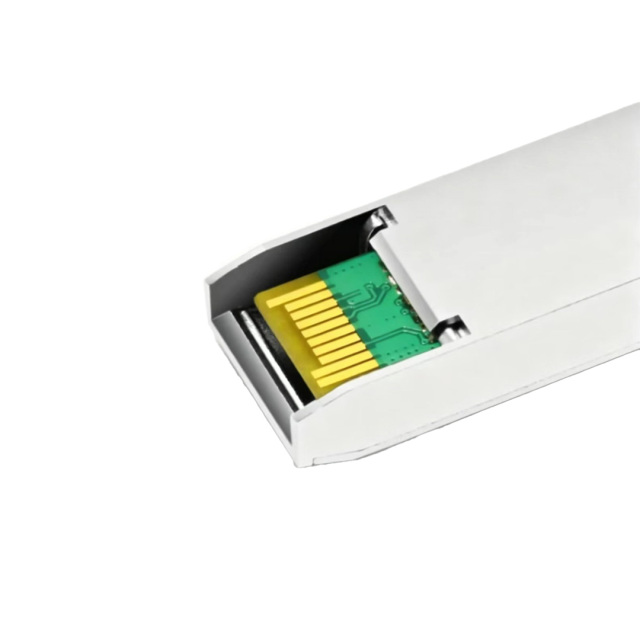
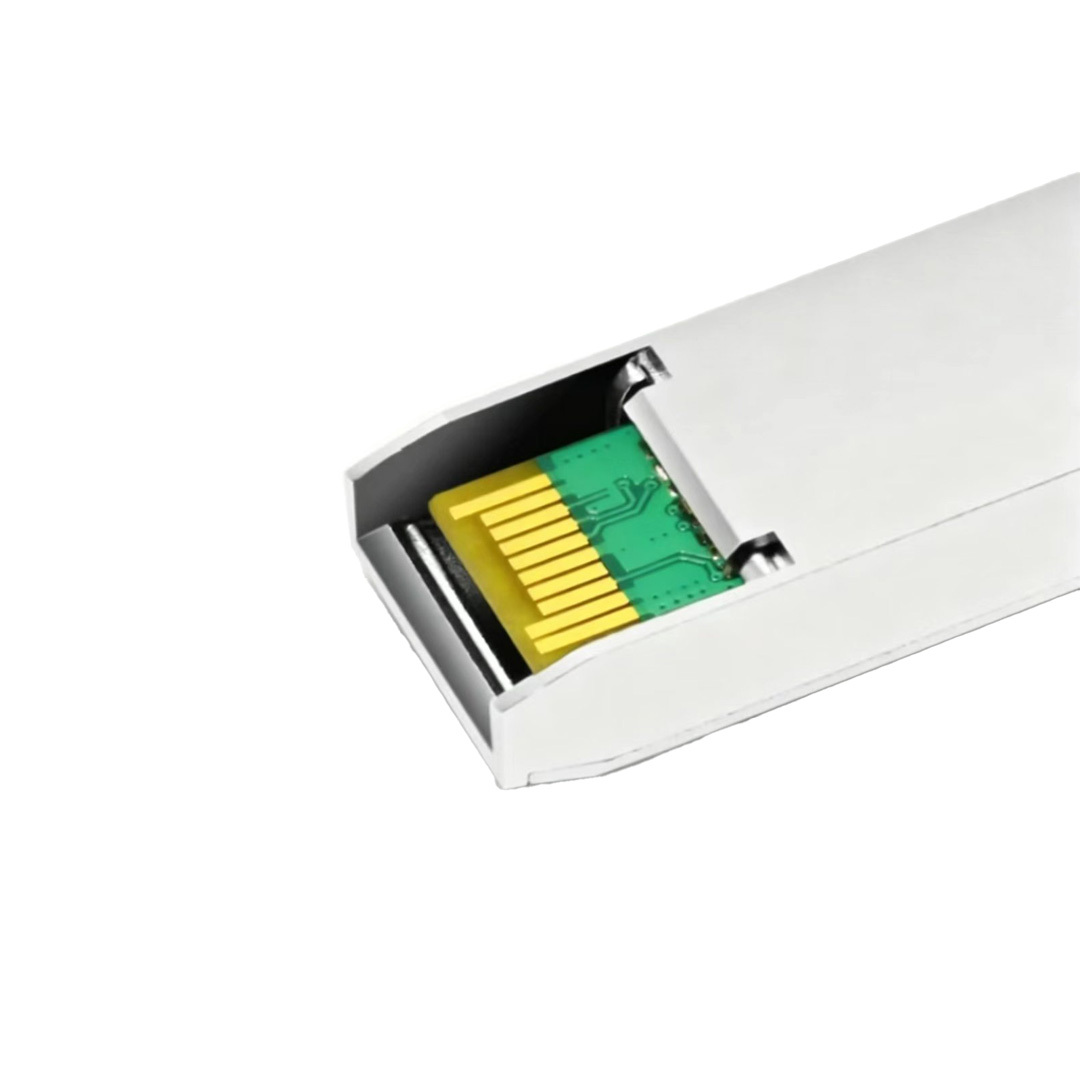
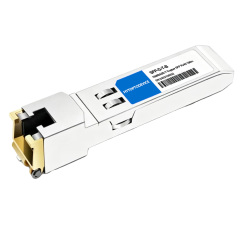
| Form Factor | SFP | Data Rate | 1000Mbps |
| Connector | RJ-45 | Cable Distance | 100m |
| Media | Copper | Cable Type | Cat 5e/6/6a (UTP) |
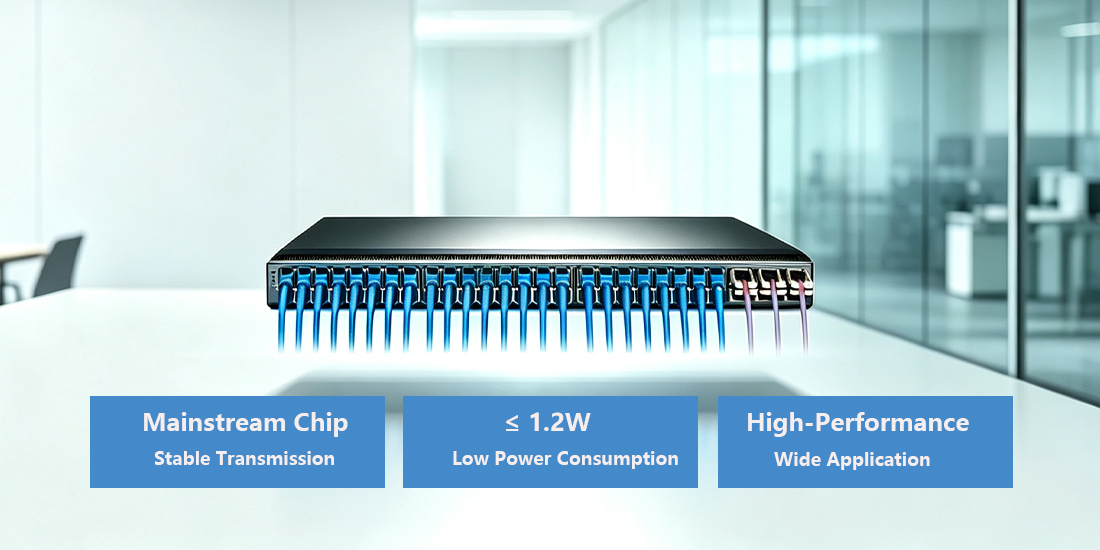
| Max. Power Consumption | ≤1.2W | DDM Support | YES |
| Protocols | MSA Compliant, IEEE STD 802.3 and 802.3ab | Operation Temperature | 0 to 70°C (32 to 158°F) |
Standard: Cat5e or Cat6 twisted-pair cable is required to achieve full 100-meter Gigabit performance.
Note: Standard Cat5 cable may limit link stability at full 1G speed and is not recommended.
Live Insertion: The SFP RJ45 transceiver supports live insertion and removal.
Precaution: Avoid repeated hot swapping under continuous heavy traffic loads to ensure optimal hardware longevity.
Heat Dissipation: This 1Gbps copper module generates mild heat during operation.
Deployment Advice: Verify the switch thermal budget and ensure adequate ventilation before fully populating all SFP ports.
Fixed Rate: This RJ45 transceiver operates at a fixed 1000Mbps speed only.
Compatibility Warning: It cannot auto-negotiate down to 100Mbps or 10Mbps. The connected peer device must support 1G speed to successfully establish a link.
Storage Environment: Keep unused transceivers stored in dry, ESD-safe packaging.
Dust Protection: Always fit dust caps onto the RJ45 port when the module is not in service.
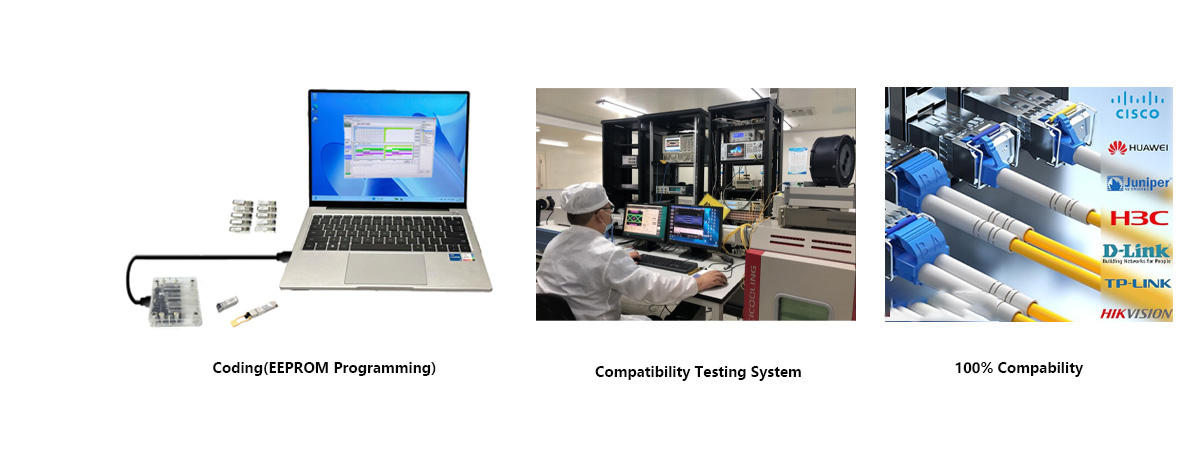
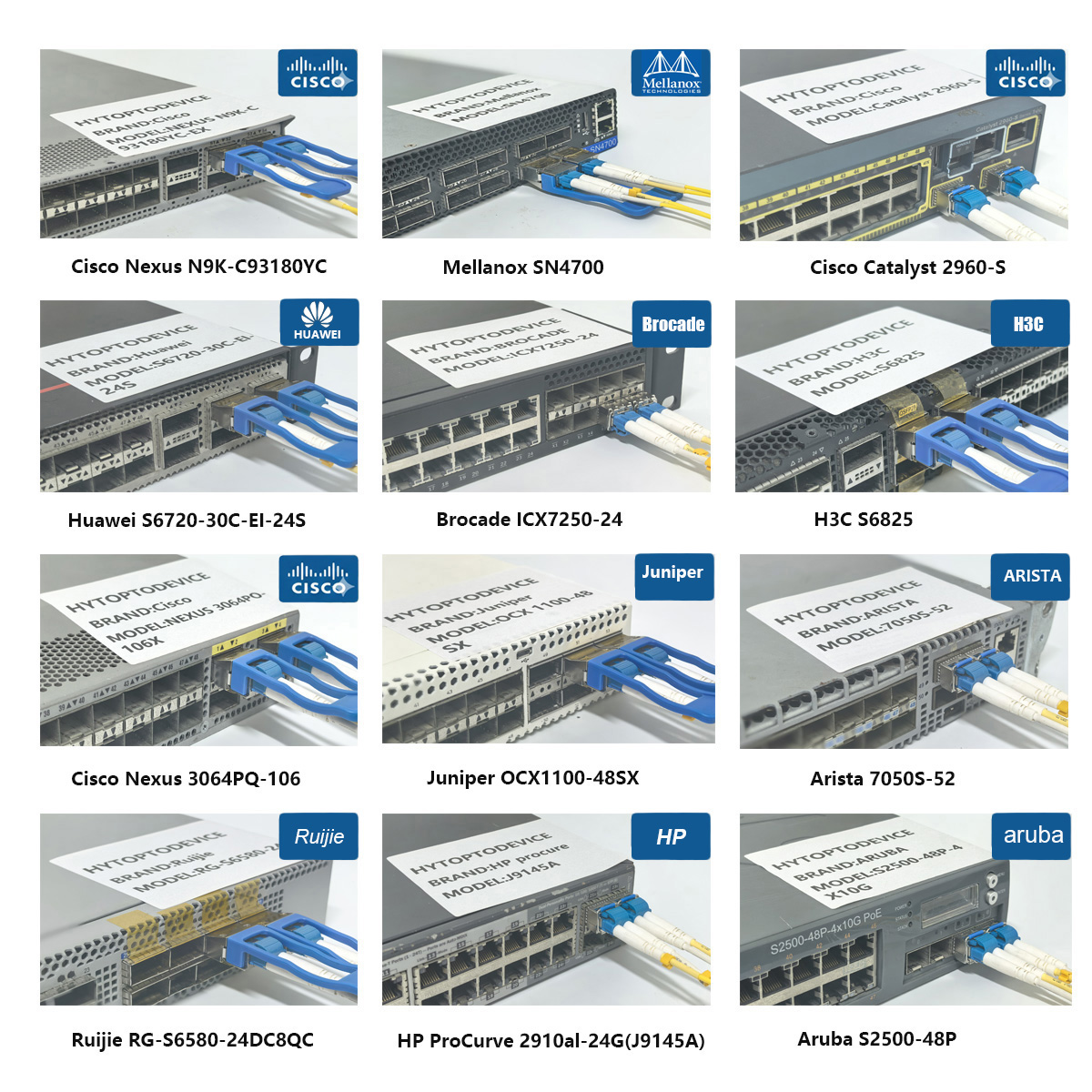
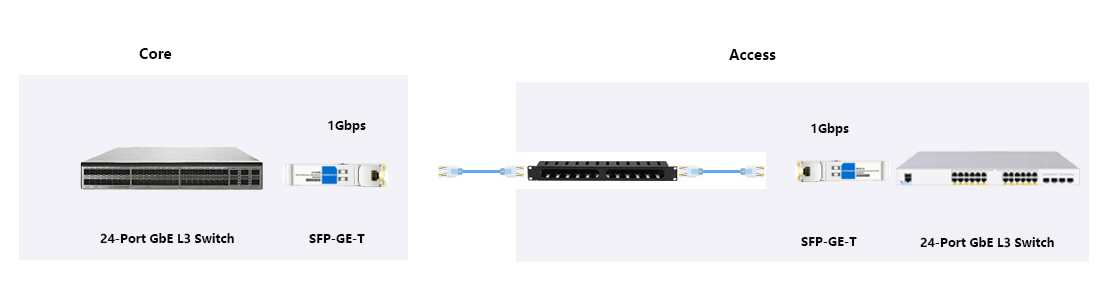
Built on SFP MSA and IEEE standards, this copper RJ45 transceiver also works with Cisco, Arista, MikroTik, Avaya Nortel and other mainstream network hardware, ideal for mixed-vendor legacy network upgrade projects.
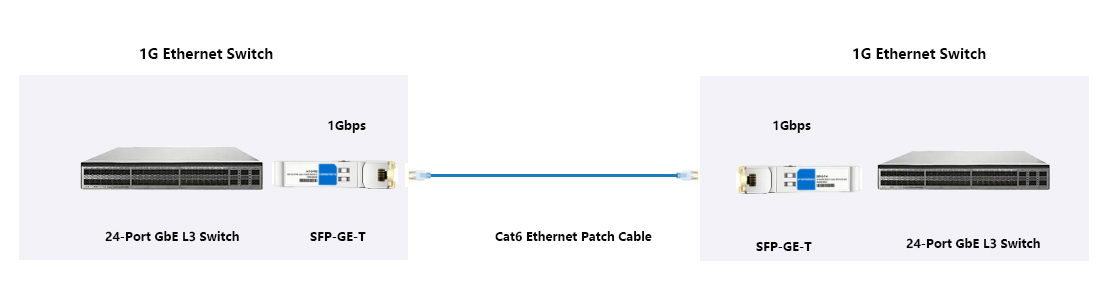
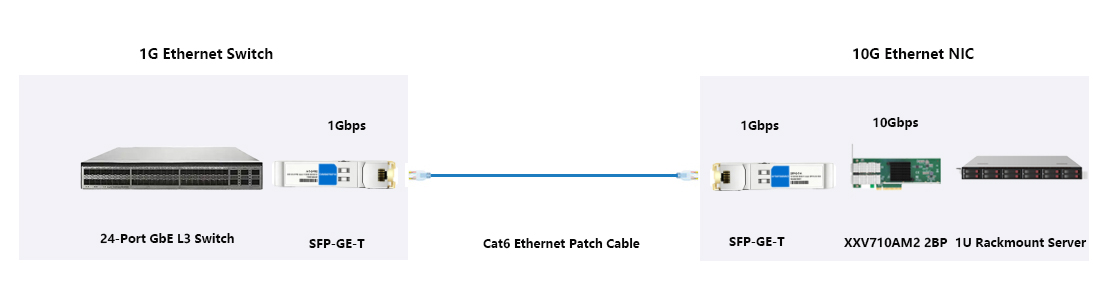
The Core Features

FAQ
Q1: How does 1000BASE-T handle heavy, multi-user network congestion?
A: 1000BASE-T can handle multi-user congestion effectively within its gigabit bandwidth limit. HYTOPTODEVICE D-Link DGS-712 compatible Copper RJ45 transceiver supports standard Ethernet flow control to reduce packet loss during traffic spikes. When total aggregate traffic exceeds 1Gbps per port, queuing delays will appear, so proper QoS configuration is recommended for busy SMB networks.
Q2: Is 1000BASE-T sufficient for heavy 4K/8K video editing and transfer workflows?
A: 1000BASE-T works for 4K media transfer but becomes the bottleneck for heavy 8K raw video workflows. Our HYTOPTODEVICE Copper RJ45 transceiver delivers steady 1Gbps throughput, which fits compressed 4K file sharing. Uncompressed 8K media requires higher-speed links like 10G for smoother editing workflows.
Q3: Will my Wi-Fi 6/7 access points bottleneck if connected via 1000BASE-T ports?
A: Yes, 1000BASE-T will create a bottleneck for Wi-Fi 7 APs under full load. HYTOPTODEVICE D-Link compatible Copper RJ45 transceiver provides up to 1Gbps bandwidth. Single Wi-Fi 7 AP can easily exceed 1Gbps total throughput, so 10G uplink is preferred for high-density wireless deployments. For Wi-Fi 6 and low-user sites, 1G remains acceptable.
Q4: Can 1000BASE-T handle synchronous upload and download speeds simultaneously?
A: Yes, 1000BASE-T supports full-duplex bidirectional transmission at the same time. This HYTOPTODEVICE Copper RJ45 transceiver operates in full-duplex mode, enabling 1Gbps upload and 1Gbps download concurrently on one twisted pair cable. Total theoretical aggregate bandwidth reaches 2Gbps.
Q5: Is 1000BASE-T future-proof for upcoming smart office automation demands?
A: 1000BASE-T remains adequate for most smart office IoT devices, though it is not fully future-proof for high-bandwidth applications. HYTOPTODEVICE Copper RJ45 transceiver is ideal for IP cameras, sensors and office endpoints. For mass high-speed workstation links, planning an upgrade path to 10G is recommended for long-term office expansion.
Q6: What is the maximum cable length supported by 1000BASE-T without signal degradation?
A: The standard maximum reach for 1000BASE-T is 100 meters over Cat5e or Cat6 UTP. This HYTOPTODEVICE D-Link DGS-712 compatible Copper RJ45 transceiver follows IEEE specs. Running cables longer than 100m will cause signal attenuation, rising BER and frequent link flapping.
Q7: Is shielded cabling (STP) strictly required, or is unshielded (UTP) sufficient?
A: Unshielded Cat5e/Cat6 UTP cabling is sufficient for normal indoor environments. STP shielded cable is only mandatory in high EMI industrial or heavy machinery rooms. Our HYTOPTODEVICE Copper RJ45 transceiver works reliably with standard UTP in typical SMB office LAN deployments.
Q8: Will my older 10/100 devices work seamlessly on a 1000BASE-T switch?
A: Older 10/100Mbps devices can connect but this HYTOPTODEVICE Copper RJ45 transceiver only runs fixed 1000Mbps. Since this module does not auto-negotiate down, the connected switch port must support speed negotiation to 10/100 to communicate with legacy fast ethernet hardware.
Q9: Are pre-made patch cables better than field-terminated cables for Gigabit speeds?
A: Factory pre-made patch cables generally deliver more stable gigabit performance. Field-terminated cables are prone to wiring errors and crosstalk if crimped improperly. When paired with HYTOPTODEVICE Copper RJ45 transceiver, certified pre-assembled Cat5e/Cat6 patch cords reduce troubleshooting work.
Q10: Is it cheaper to buy separate 1G switches or a single high-density modular switch?
A: For small networks, standalone 1G fixed switches have lower upfront cost. Large or growing sites benefit more from one high-density modular switch with SFP slots that accept HYTOPTODEVICE Copper RJ45 transceivers, reducing total hardware and management overhead in the long run.
Q11: Do I need advanced IT skills to configure a 1000BASE-T switch?
A: Basic deployment requires only fundamental networking knowledge. Unmanaged D-Link switches with HYTOPTODEVICE Copper RJ45 transceivers work plug-and-play. Managed switches need basic VLAN and QoS setup, which does not demand expert-level IT training for SMB administrators.
Q12: How does VLAN configuration impact 1000BASE-T switch performance?
A: Properly configured VLANs have negligible impact on 1000BASE-T throughput. VLAN tagging is handled at the switch ASIC hardware level. Misconfiguration such as excessive broadcast domains or mis-matched trunk settings can trigger broadcast storms and degrade links using HYTOPTODEVICE Copper RJ45 transceivers.
Q13: What kind of cooling or ventilation do high-density 1000BASE-T rack switches require?
A: High-density rack switches need adequate front-to-back airflow and proper rack ventilation. Each HYTOPTODEVICE Copper RJ45 transceiver only consumes ~1.2W and generates minimal heat, but fully populated switch racks still require fans and unrestricted air circulation to avoid thermal throttling.
Q14: How do network loops occur in 1000BASE-T networks, and how are they prevented?
A: Network loops form when two or more redundant paths exist between switches without loop protection. STP/RSTP protocols detect and block redundant links automatically. Even with HYTOPTODEVICE Copper RJ45 transceivers installed, enabling spanning tree on managed switches stops broadcast loops and network outages.
Q15: What kind of manufacturer warranty and technical support do top-tier 1000BASE-T vendors offer?
A: Reputable vendors typically provide multi-year hardware warranty plus optional technical support packages. HYTOPTODEVICE supplies 1000BASE-T Copper RJ45 transceivers with quality warranty, batch test reports and pre/post sales technical support for wholesalers, integrators and bulk buyers.
Q16: Is firmware updates easy and safe to perform on modern managed Gigabit switches?
A: Firmware updates are simple and low-risk if following official operation guides. Always back up switch configurations before upgrading. HYTOPTODEVICE Copper RJ45 transceivers do not require firmware updates themselves; compatibility depends entirely on the host D-Link switch firmware version.
Packaging & Custom OEM Solutions
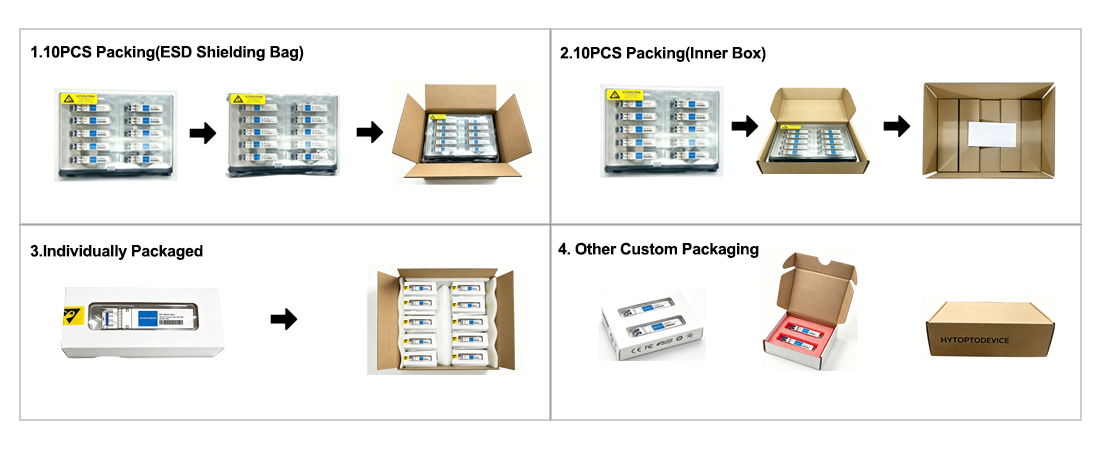
ESD Protection & Fast Shipping: Every module is sealed in an ESD-safe bag and ready for same-day dispatch from stock.
Custom OEM & Branding: We provide logo printing, private labeling, and custom packaging to help distributors and integrators build their brand—no factory investment required.
Why Network Engineers Choose HYTOPTODEVICE
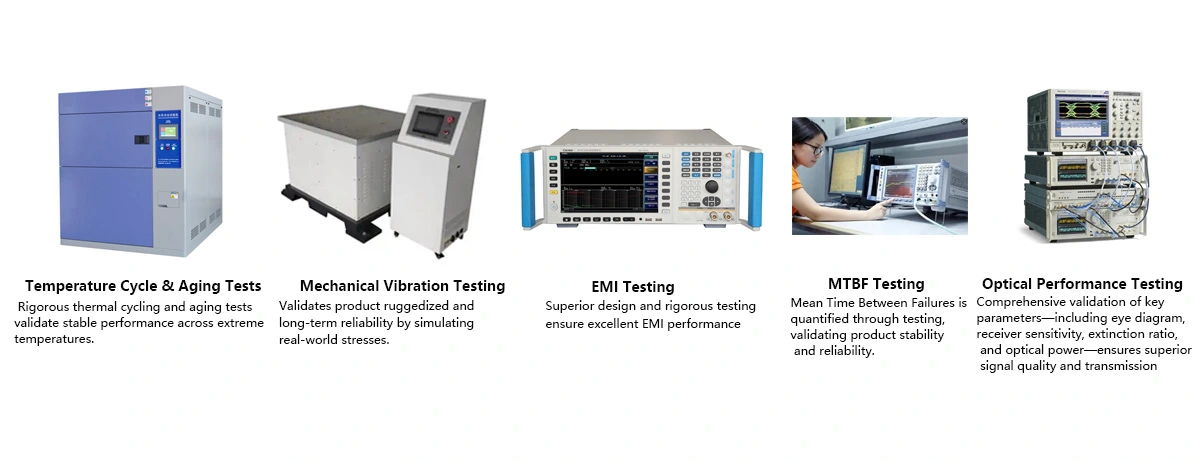
HYTOPTODEVICE has supplied over 5000,000 optical transceiver modules to data centers, ISPs, and enterprise networks across 100+ countries since 2011. Every module undergoes a 72-hour burn-in test and full DDM/DOM validation before shipment.
“Phenomenal performance. We deployed 200 HYTOPTODEVICE SFP modules to replace Cisco OEMs in our backbone network. Result? Zero compatibility issues and a 60% reduction in costs. Highly recommended for mission-critical networks."— Senior Network Engineer, Regional Telecom, Australia
Quality Certification & Compliance
At HYTOPTODEVICE, our quality commitment is backed by industry-standard validations. From fiber optical transceiver manufacturing to final visual inspection, from IQC、IPQC、FQC to OQC, our processes ensure global compliance and reliability.
We adhere to rigorous standards for our SFP modules and network solutions:
ISO 9001: Certified quality management and production consistency.
CE & FCC: Fully compliant for seamless Global Market Access.
RoHS: Committed to environmental responsibility and hazardous material control.
Proven Reliability: Rigorous testing to reduce compliance risk and ensure safety.
Certified Quality. Global Standards. Guaranteed Performance.