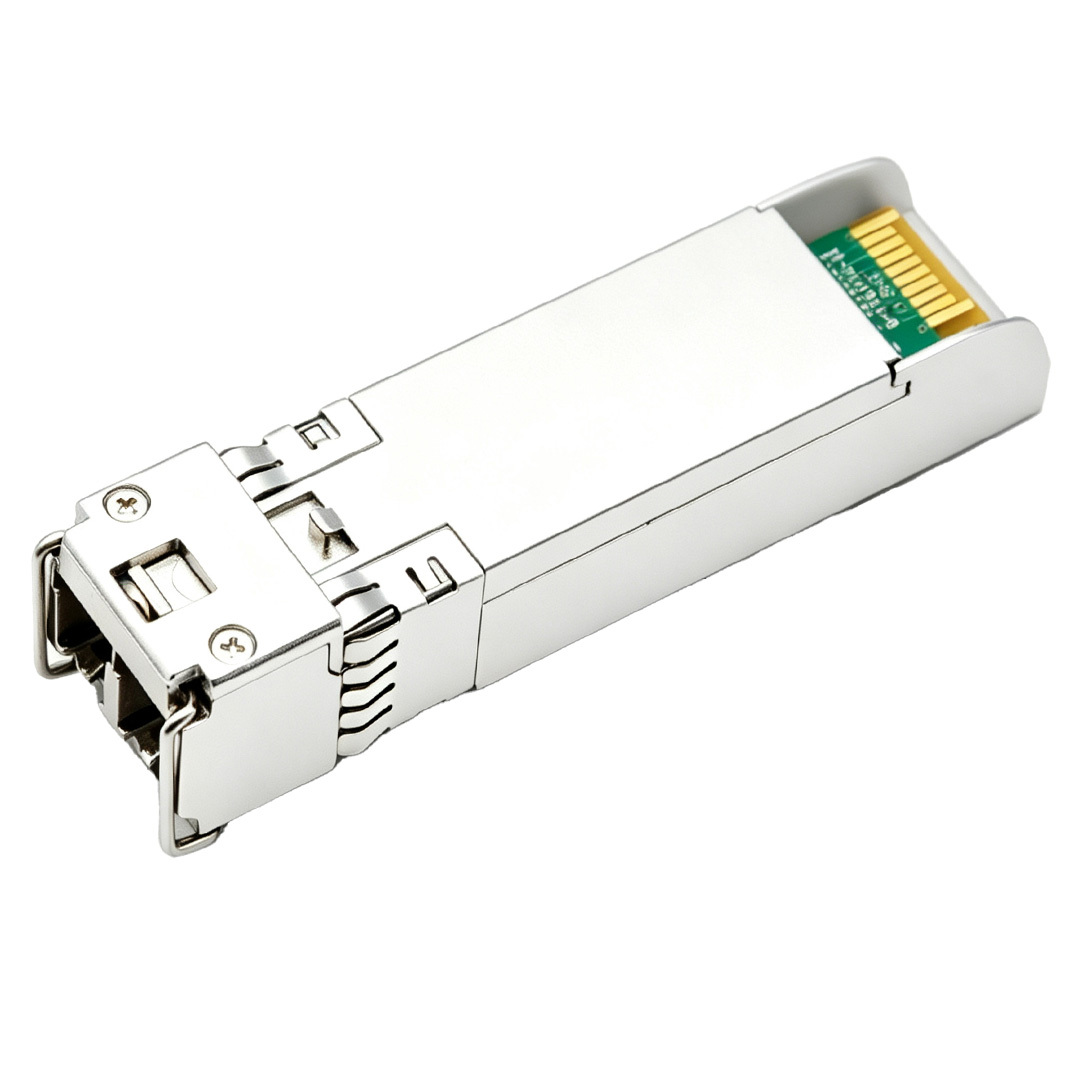
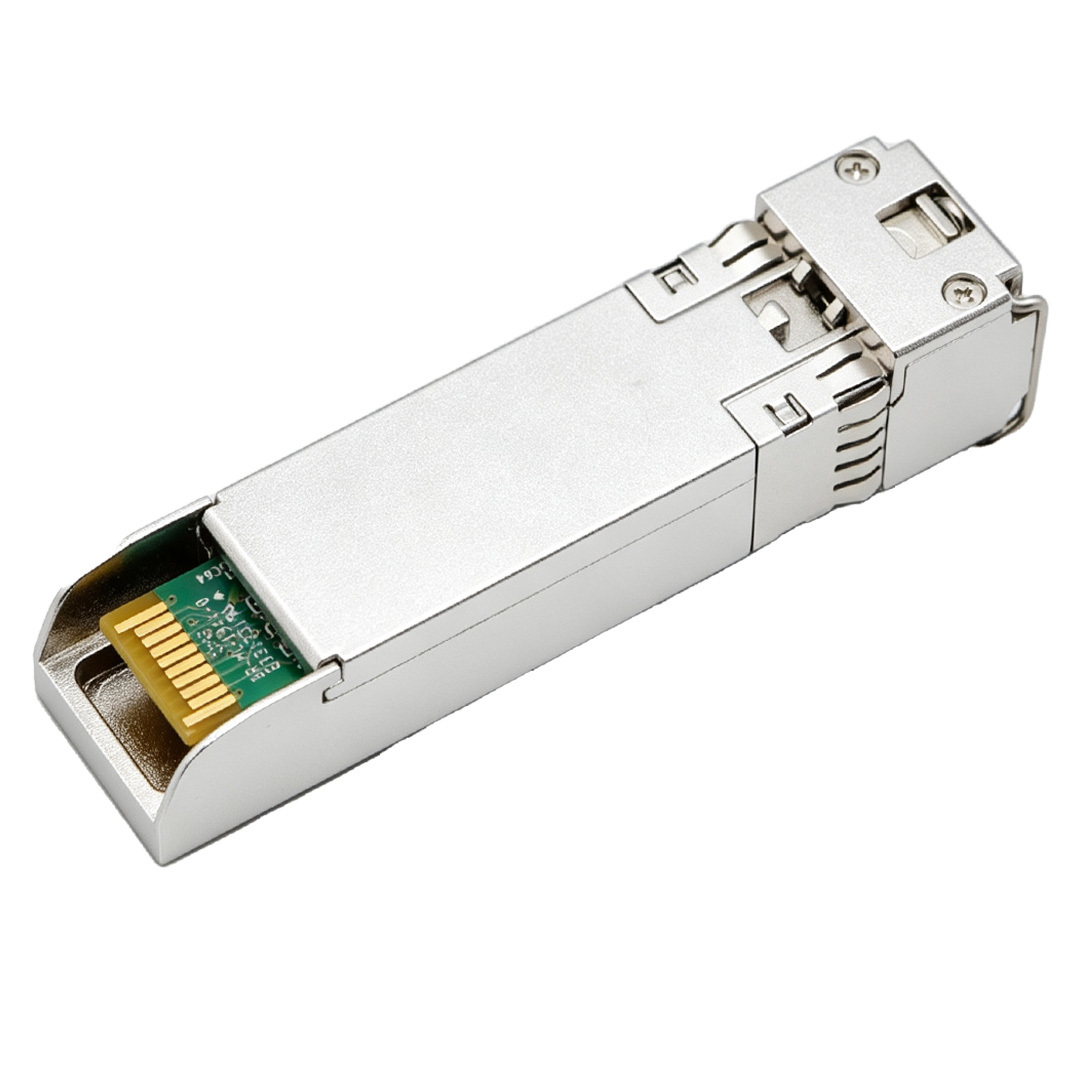
| NO. | Brand | Compatible P/N | Transceiver Type |
| 1 | Cisco | SFP-25GLRL-31-I | SFP28-25G-SR |
| 2 | Arista Networks | SFP-25GLRL-31-I | SFP28-10/25G-ESR |
| 3 | Intel | SFP-25GLRL-31-I | SFP28-25G-LR2-I |
| 4 | NVIDIA(Mellanox) | SFP-25GLRL-31-I | SFP28-25G-LR |
| 5 | Juniper | SFP-25GLRL-31-I | SFP28-25G-LR-I |
| 6 | Dell | SFP-25GLRL-31-I | SFP28-25G-ER30 |
| 7 | Generic | SFP-25G-LR2-I | SFP28-25G-ER |
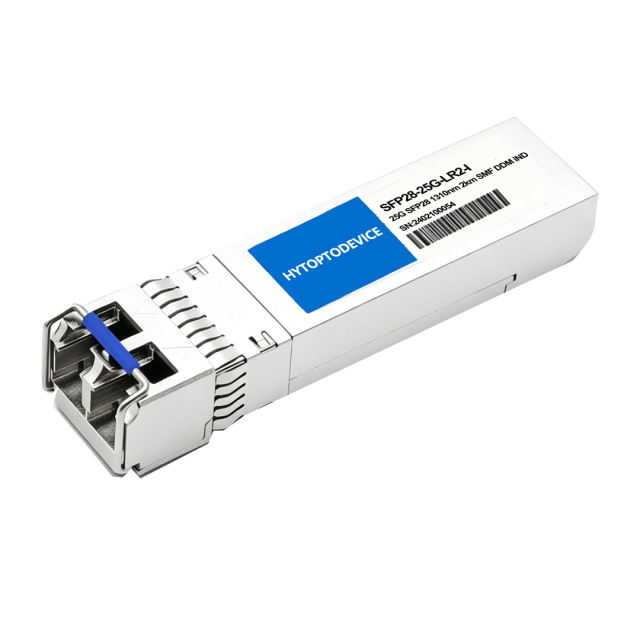
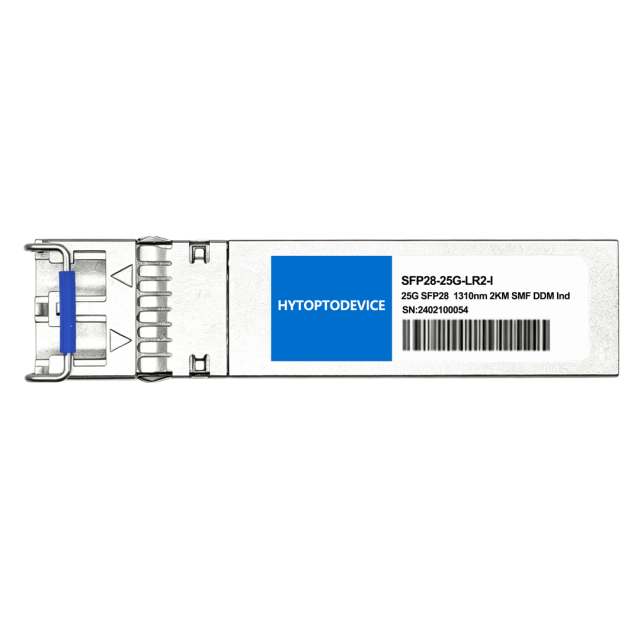
| NVIDIA(Mellanox) Compatible | SFP-25GLRL-31-I | Vendor Name | HYTOPTODEVICE |
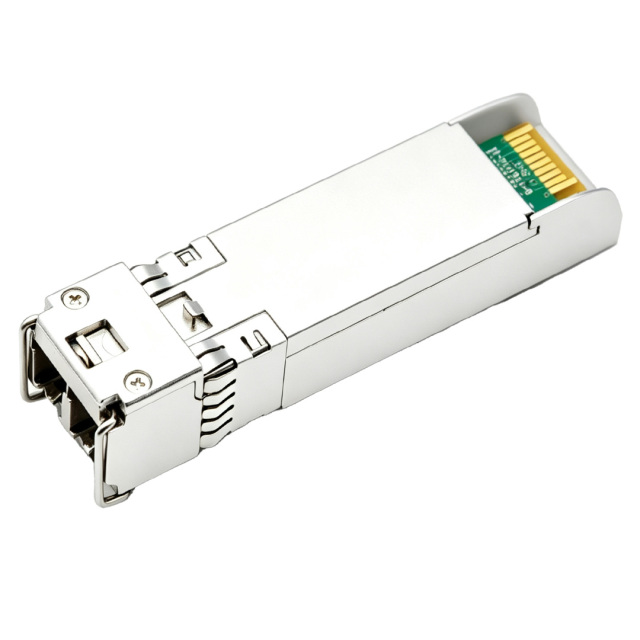
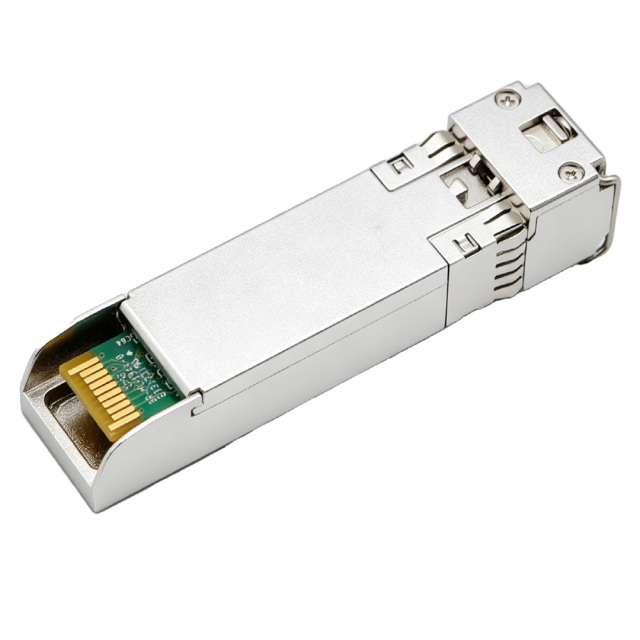
| Form Factor | SFP28 | Max Data Rate | 25Gbps |
| Wavelength | 1310nm | Max Distance | 2km |
| Connector | Duplex LC | Transmitter Type | DFB 1310nm |
| Cable Type | SMF | Receiver Type | PIN |
| TX Power | -7~+2dBm | Receiver Sensitivity | < -12dBm |
| Max. Power Consumption | ≤1.2W | DOM/DDM | Fully Supported |
| Protocols | SFF-8472, SFF-8024, SFF-8431, SFF-8432 | Operation Temperature | -40 to 85°C (-40 to 185°F) |
Usage Guidelines & Best Practices
Fiber Compatibility: Designed exclusively for G.652 OS2 single-mode fiber. Multimode fibers (OM3/OM4) or incompatible connector polish types (e.g., APC if the module requires UPC) will cause high attenuation and reduce transmission range.
Maintenance & Polarity: Clean LC optical connectors regularly before insertion. Dust and debris on the end face can lead to signal loss and degrade 25GBASE-LR 2KM module performance.
Distance & Link Budget: Supports up to a 2 km transmission distance within the standard optical power budget. Excessive fiber splices, patch panels, or sharp bends will shorten the usable range.
Port Compatibility Check: This optic only works on native 25G SFP28 ports. It can physically insert into SFP+ slots but will not negotiate 25G speed. Confirm your hardware or multi-vendor switch supports 25GBASE-LR standard before plugging in
Industrial Temperature Handling: This industrial-grade module supports -40℃ ~ +85℃ wide-temperature operation. Ensure the cabinet ventilation and heat dissipation are maintained in field deployments; avoid direct exposure to sunlight, moisture, dust or corrosive gas to extend service life.
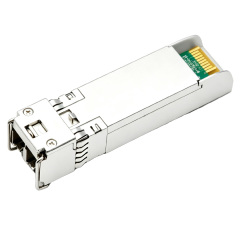
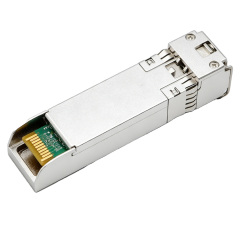
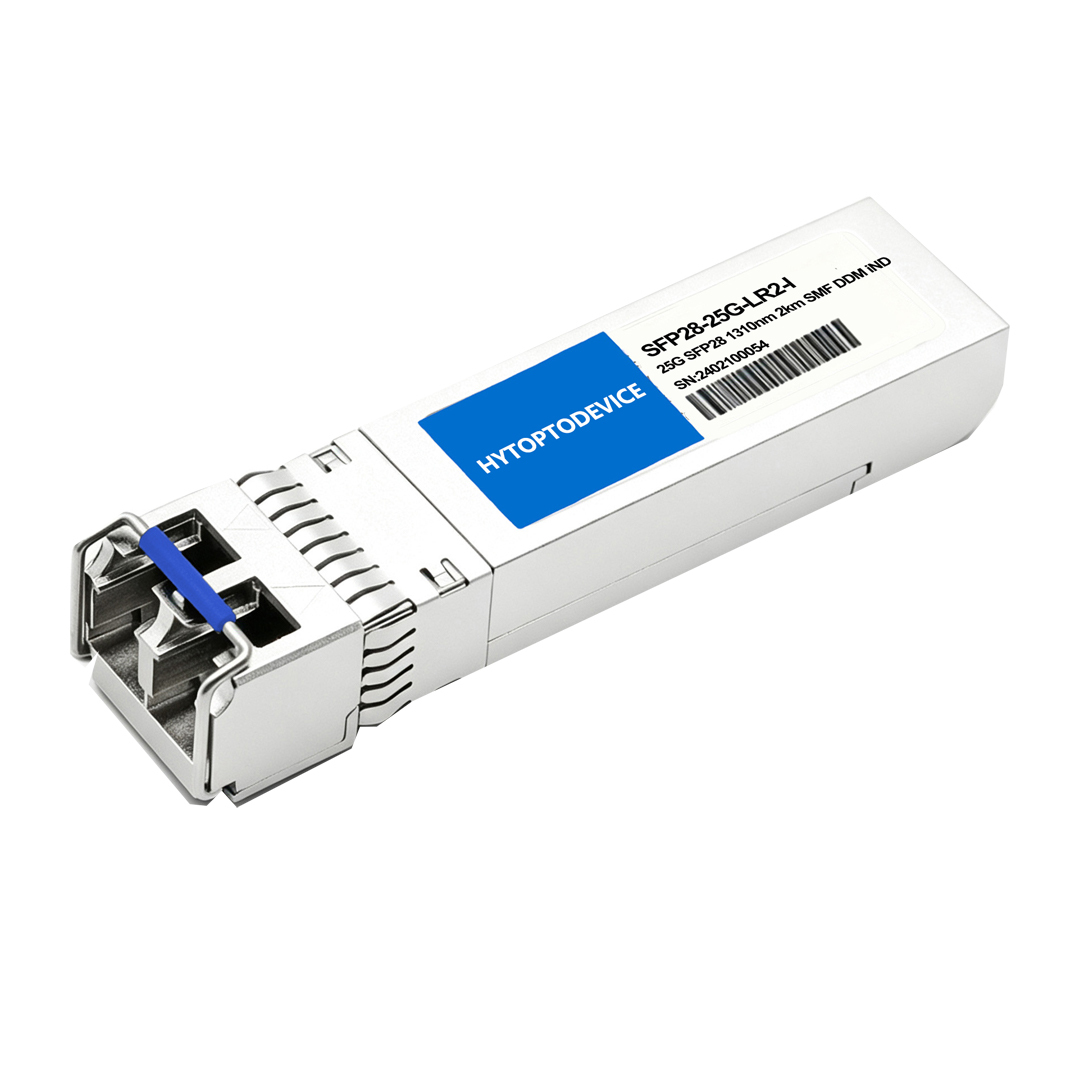
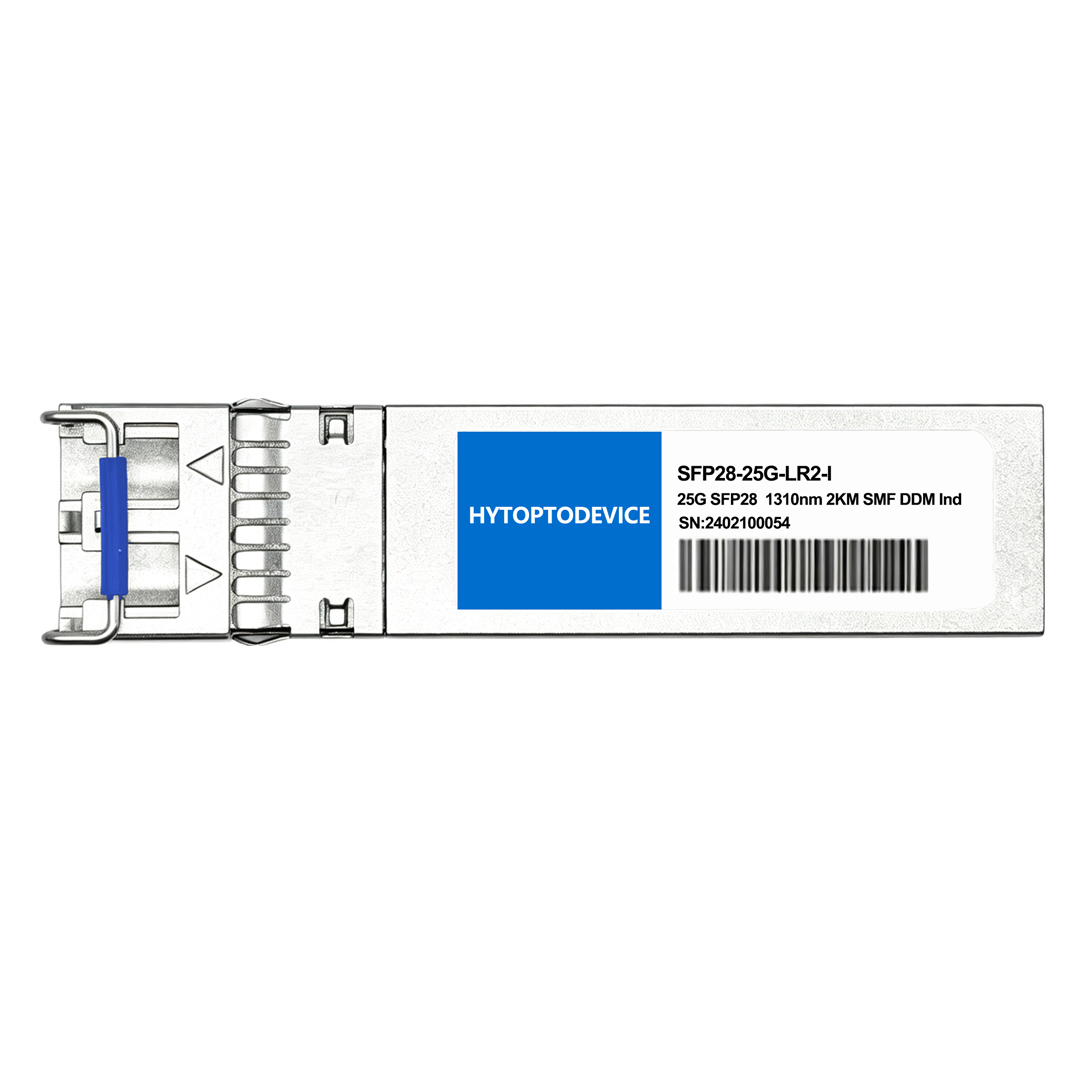
This industrial 25G SFP28 LR optical transceiver adopts NVIDIA Mellanox customized EEPROM coding, enabling smooth plug-and-play identification and eliminating third-party transceiver warning logs under NVIDIA/Mellanox firmware. Every finished unit undergoes burn-in and wide-temperature cycle testing before shipment for reliable industrial compatibility:
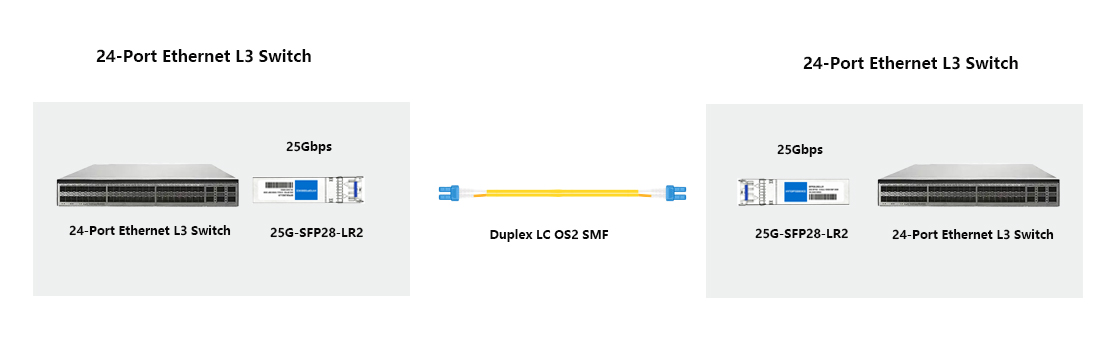
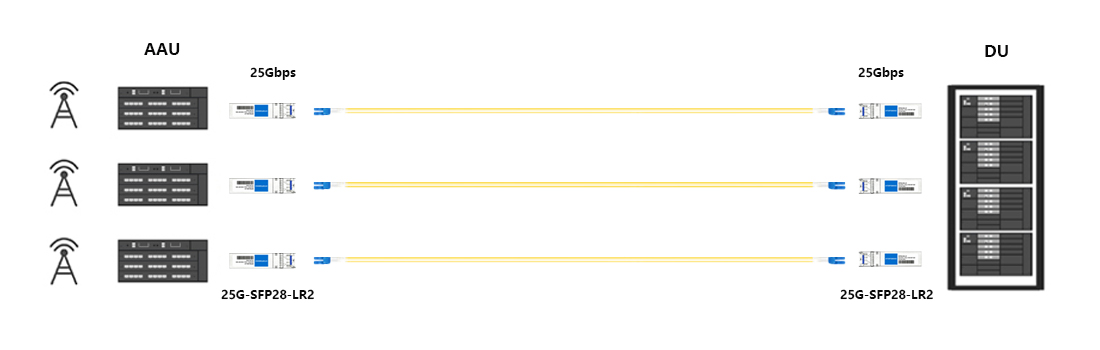


Q1: Can this industrial optic run rate auto-negotiation or drop down to 10G SFP+ LR operating speed? A: NO. This HYTOPTODEVICE 25G SFP28 LR transceiver is fixed at 25G operating speed. It cannot auto-negotiate or fall back to 10G SFP+ LR, and only works for 25GBASE-LR fiber links.
Q2: Will short fiber patch cords used for bench testing damage the built-in PIN receiver? A: NO. It will not permanently damage the receiver hardware. Our transmit power range is -7~+2dBm and receiver overload point is +2dBm. Short direct fiber links push the received optical power close to saturation, which triggers bit errors and unstable links. You need to install a 2-5dB optical attenuator for bench testing to avoid signal saturation.
Q3: Does the transmitter eye diagram meet IEEE 802.3cc mask requirements with sufficient design margin? A: YES. The transmitter eye diagram of this HYTOPTODEVICE industrial 25G SFP28 LR meets IEEE 802.3cc mask requirements with adequate margin. Every unit is inspected during production to guarantee signal integrity for 2km single-mode fiber transmission.
Q4: Are the optical chips native I-Temp grade components or only regular C-Temp silicon screened after assembly? A: YES. This module uses native I-Temp grade optical and electronic components, not merely screened commercial C-Temp chips. Native wide-temperature components deliver stable performance from -40°C to +85°C for harsh industrial environments.
Q5: Is this transceiver capable to boot up and build stable fiber link right away at -40°C extreme cold environment? A: YES. This HYTOPTODEVICE industrial optic can power up and establish a stable link at -40°C. All optical and electrical sub-assemblies are selected and validated for cold-start operation in extreme low-temperature industrial scenarios.
Q6: How will laser efficiency change when working near the maximum rated temperature of +85°C? A: YES. Laser efficiency slightly drops at +85°C, but our DFB laser is calibrated to maintain transmit power within the specified -4.5~+2dBm window. The optical budget still meets requirements for full 2km transmission at maximum rated temperature.
Q7: Can this transceiver withstand rapid fluctuations of surrounding ambient temperature? A: YES. This industrial SFP28 transceiver tolerates fast temperature fluctuations. The internal optical assembly and sealed housing reduce thermal stress, preventing sudden link dropouts during rapid temperature changes in factory or outdoor sites.
Q8: Does every production batch undergo full temperature cycle burn-in testing before shipment? A: YES. Every production batch of HYTOPTODEVICE 25G SFP28 LR modules runs 100% full temperature cycle burn-in test before shipment. The 3-temperature screening filters out early failures for industrial long-term deployments.
Q9: Does hot-plugging this module generate large inrush current and trigger host switch power supply reset? A: NO. Hot-swap protection circuit is integrated. Live insertion will not generate excessive inrush current to trigger host power reset. This design supports safe hot-plugging on NVIDIA Mellanox industrial hardware without equipment reboot.
Q10: Are laser diodes and ROSA assemblies sourced from top-tier optical chip manufacturers? A: YES. Lasers and ROSA sub-assemblies for this HYTOPTODEVICE industrial transceiver are sourced from tier-one optical chip vendors. Premium components ensure consistent optical performance and long service life in industrial networks.
Q11: Can HYTOPTODEVICE maintain stable component supply chain for multi-year industrial project rollouts? A: YES. HYTOPTODEVICE maintains stable raw material stock and controlled production pipeline. We can support long-term industrial project rollouts with consistent lead time and reserved capacity for bulk buyers and system integrators.
Q12: Is advance replacement service available for faulty transceivers deployed in remote industrial sites? A: YES. HYTOPTODEVICE offers advance replacement service for confirmed faulty modules for qualified bulk buyers. This service helps remote industrial sites minimize network downtime and simplifies after-sales support for integrators.
Q13: How can purchasers confirm these optics are genuine industrial grade instead of relabeled commercial transceivers? A: YES. Buyers can verify by reviewing our full temperature test reports and DOM log data. Each unit has unique serial number tied to 3-temperature test records, proving genuine I-temp hardware instead of relabeled commercial modules.
Q14: What creates the big pricing gap between low-cost vendors and professional optical transceiver manufacturers? A: YES. The price gap mainly comes from component grade, temperature screening and burn-in test. Low-cost vendors use commercial grade chips without full thermal cycling. HYTOPTODEVICE uses native I-Temp parts and full batch burn-in for industrial reliability.
Q15: Can the metal bail latch withstand repeated plug and pull cycles inside dense switch rack panels? A: YES. The bail latch of this SFP28 module is reinforced for repeated plug and pull. It maintains mechanical integrity for many insertion cycles, ideal for dense switch panel deployment in industrial and data center racks.
Q16: What is the valid shelf life and proper storage temperature range for spare transceiver inventory? A: YES. The shelf life of this industrial transceiver is 5 years under proper storage. Recommended storage temperature is -40°C ~ +85°C, with low humidity control to protect optical and electronic components for spare stock management.
Why Network Engineers Choose HYTOPTODEVICE
HYTOPTODEVICE has supplied over 5000,000 optical transceiver modules to data centers, ISPs, and enterprise networks across 100+ countries since 2011. Every module undergoes a 72-hour burn-in test and full DDM/DOM validation before shipment.
“Phenomenal performance. We deployed 200 HYTOPTODEVICE SFP modules to replace Cisco OEMs in our backbone network. Result? Zero compatibility issues and a 60% reduction in costs. Highly recommended for mission-critical networks."— Senior Network Engineer, Regional Telecom, Australia
Quality Certification & Compliance
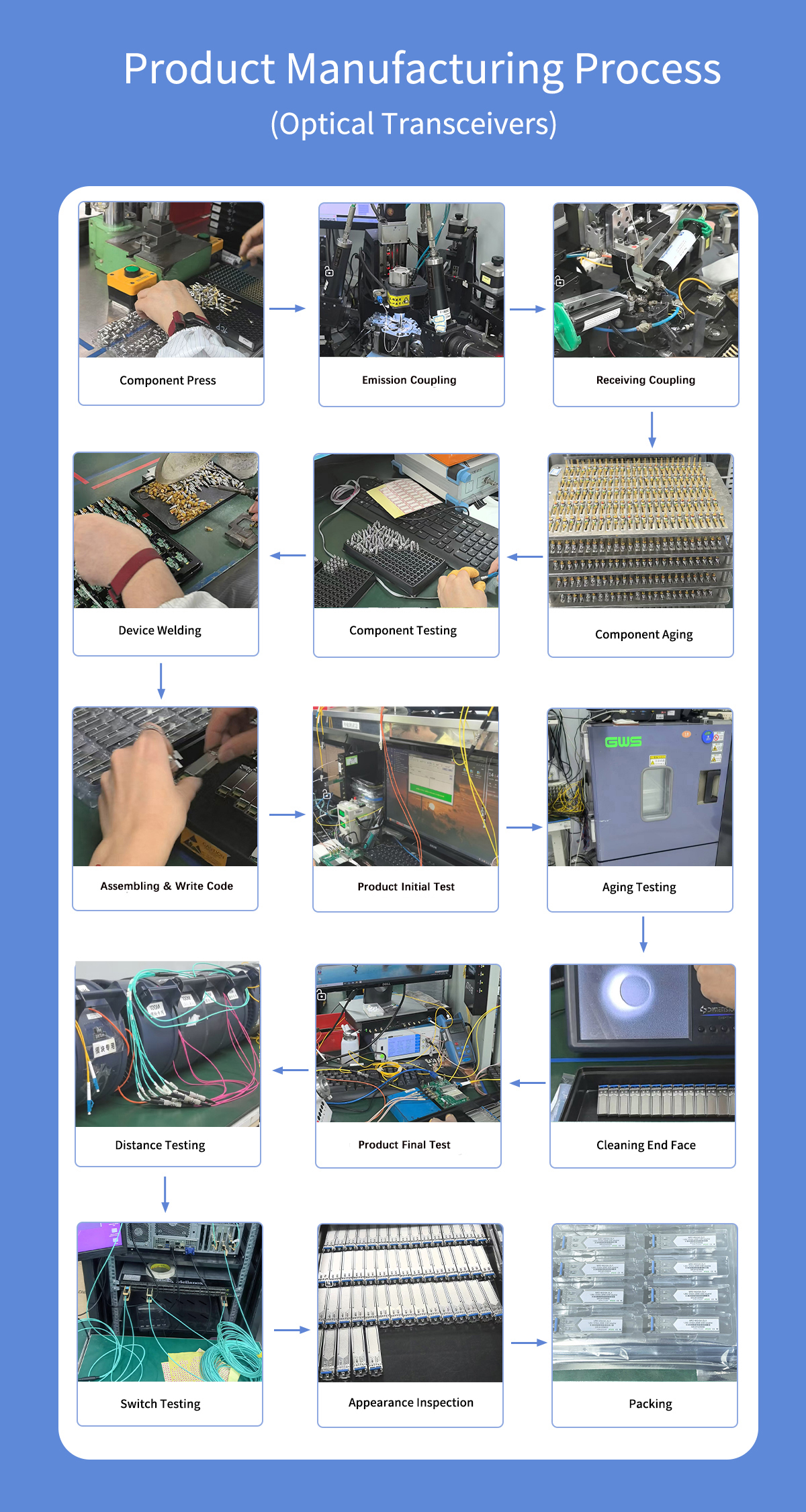
At HYTOPTODEVICE, our quality commitment is backed by industry-standard validations. From fiber optical transceiver manufacturing to final visual inspection, from IQC、IPQC、FQC to OQC, our processes ensure global compliance and reliability.
We adhere to rigorous standards for our SFP modules and network solutions:
ISO 9001: Certified quality management and production consistency.
CE & FCC: Fully compliant for seamless Global Market Access.
RoHS: Committed to environmental responsibility and hazardous material control.
Proven Reliability: Rigorous testing to reduce compliance risk and ensure safety.
Certified Quality. Global Standards. Guaranteed Performance.