| NO. | Brand | Compatible P/N | Transceiver Type |
| 1 | Cisco | QSFP-200G-SR4-S | QSFP56-200G-FR4 |
| 2 | Arista | QSFP-200G-SR4 | QSFP56-200G-LR4 |
| 3 | Dell | Q56-200G-SR4 | QSFP56-200G-ER4 |
| 4 | Huawei | QSFP56-200G-SR4 | |
| 5 | Ruijie Networks | 200G-Q56-SR4-MM850 | |
| 6 | NVIDIA/Mellanox | MMA1T00-VS | |
| 7 | H3C | QSFP56-200G-SR4-MM850 |
Arista Compatible |
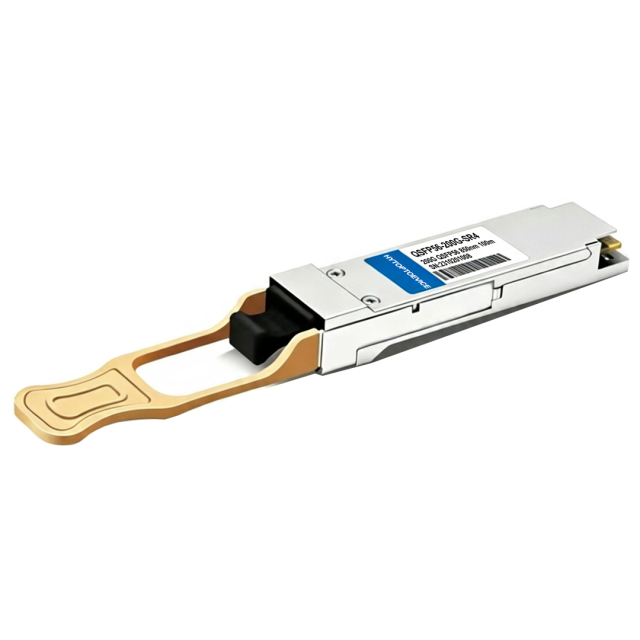
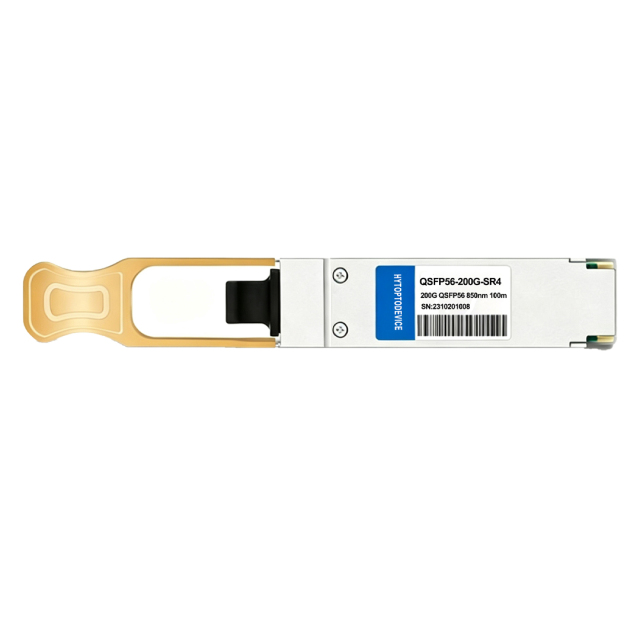
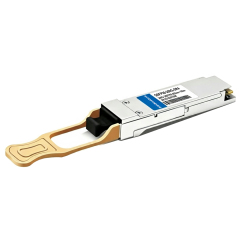
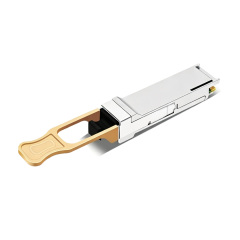
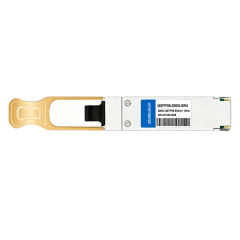
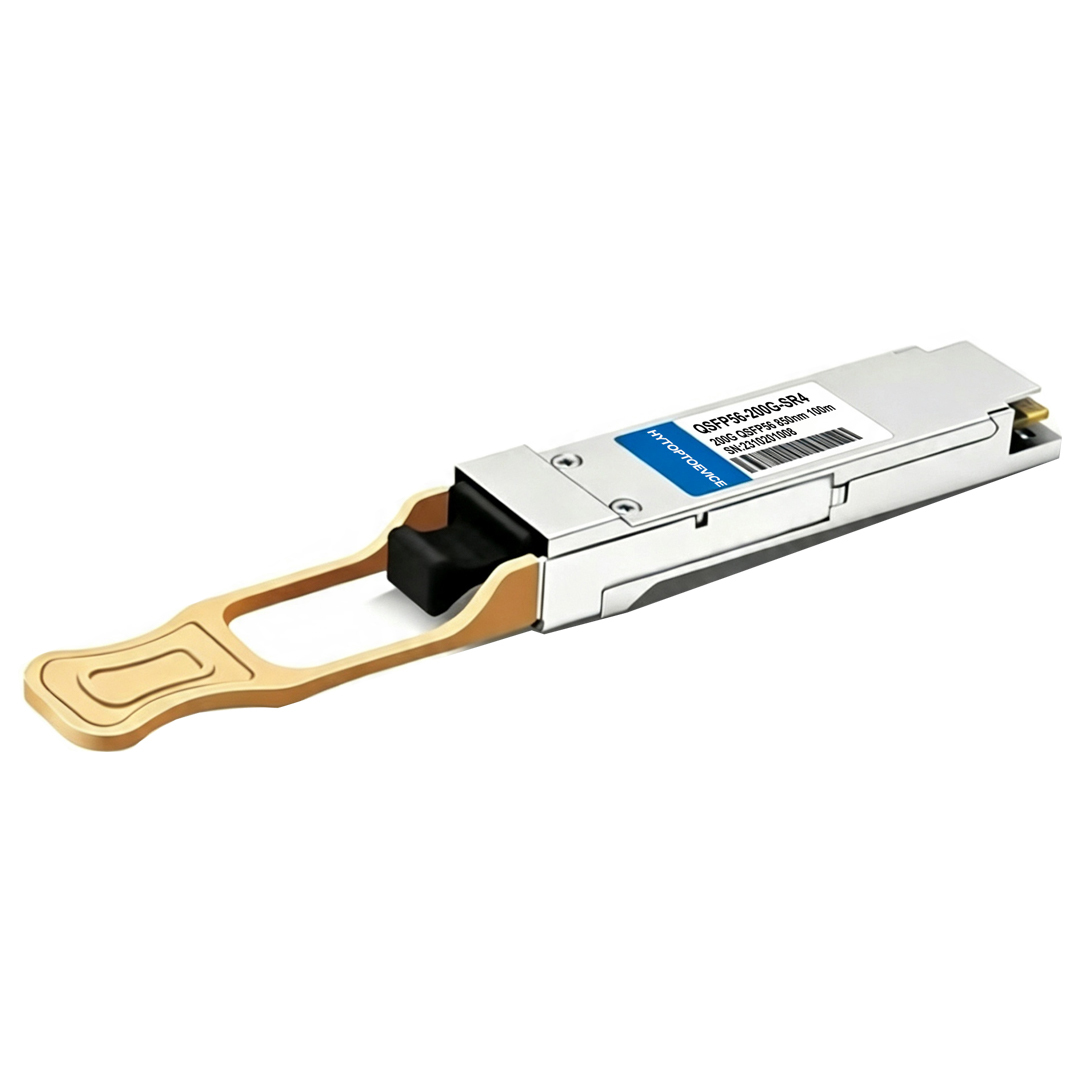
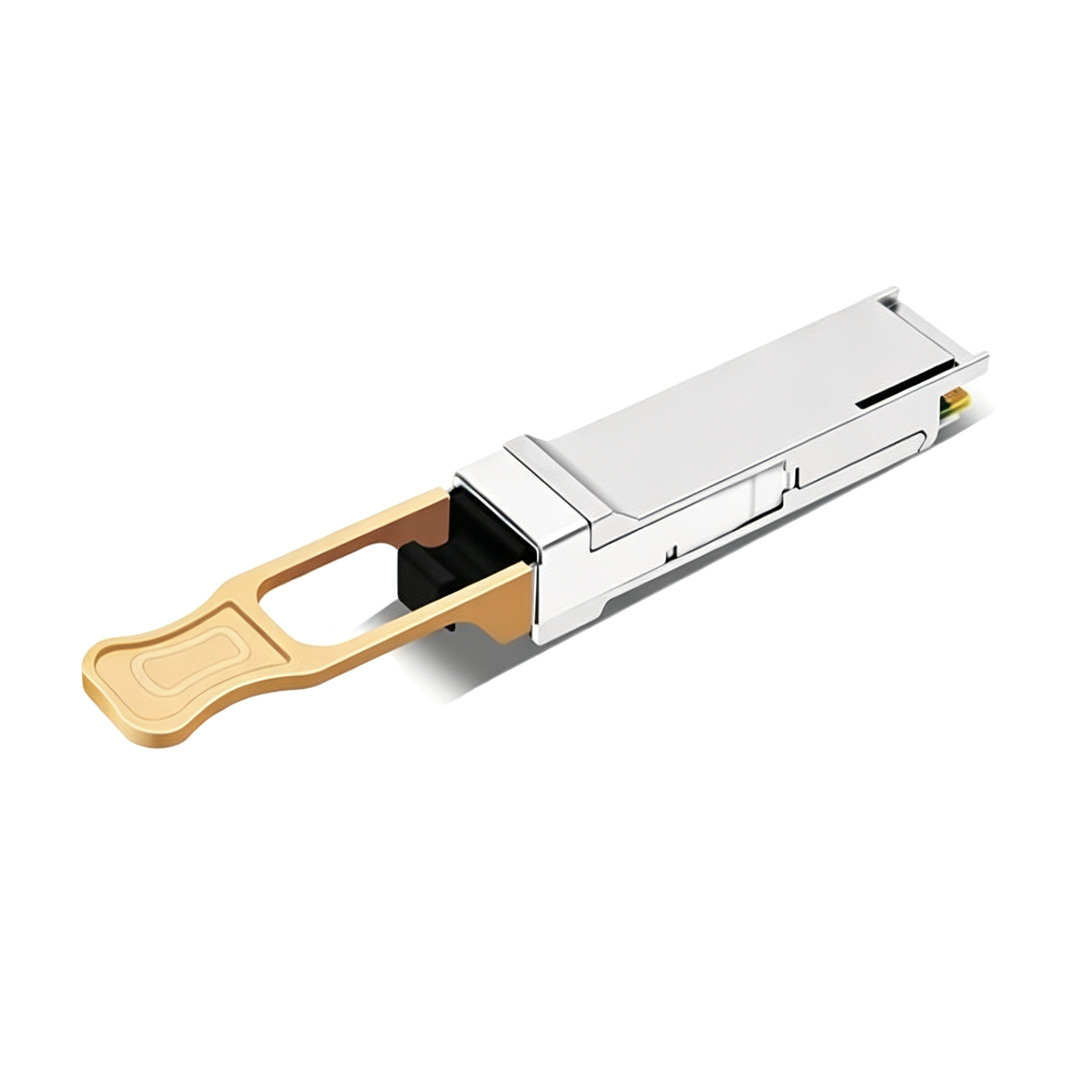
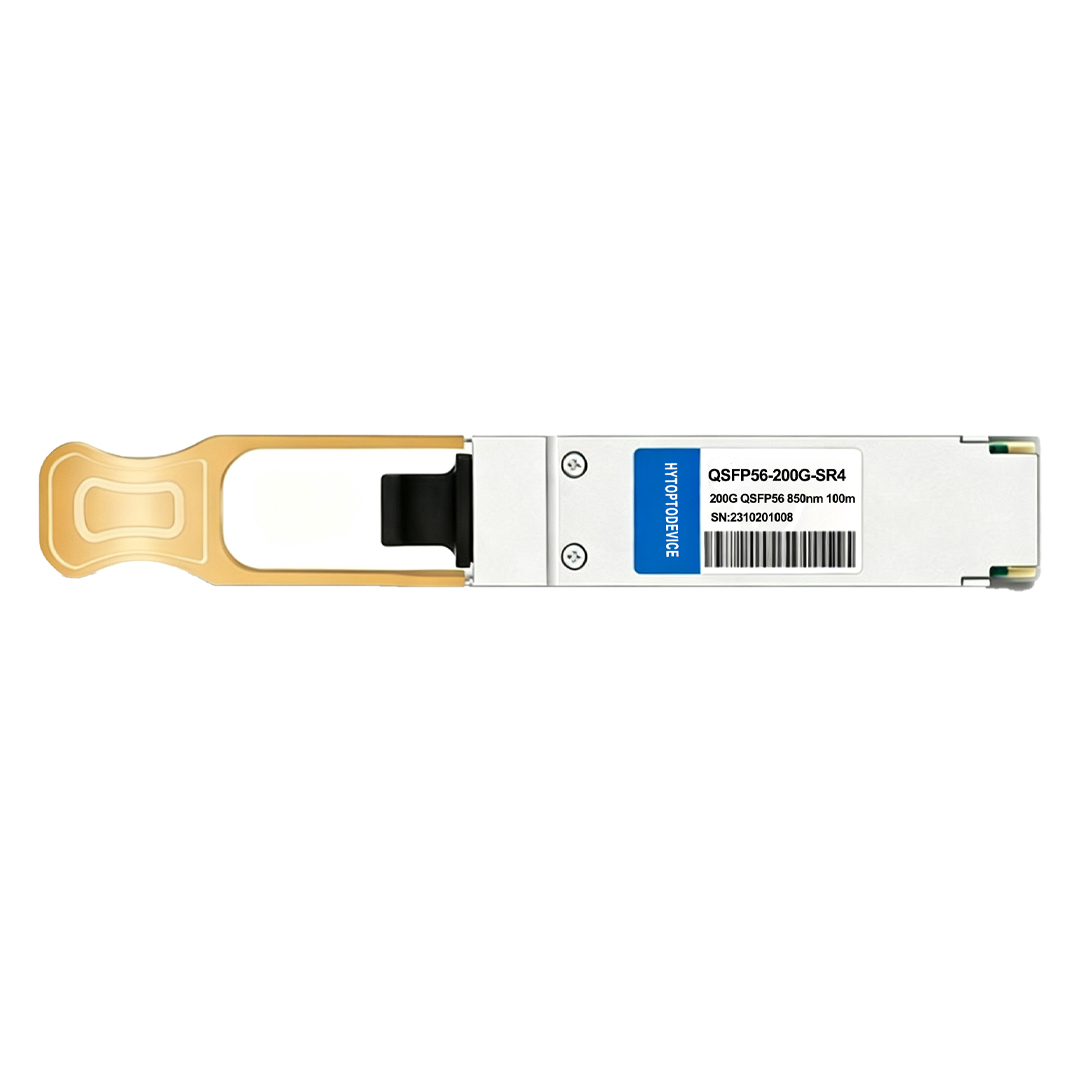
QSFP-200G-SR4 | Vendor Name | HYTOPTODEVICE |
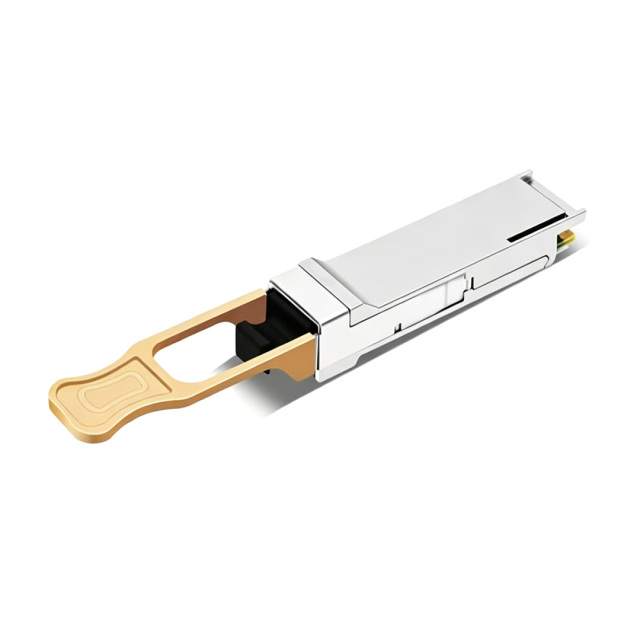
| Form Factor | QSFP56 | Max Data Rate | 200Gbps (4x50Gbps) |
| Wavelength | 850nm
|
Max Distance | 70m on OM3/100m on OM4 |
| Modulation Format | PAM4 | Host Required | FEC |
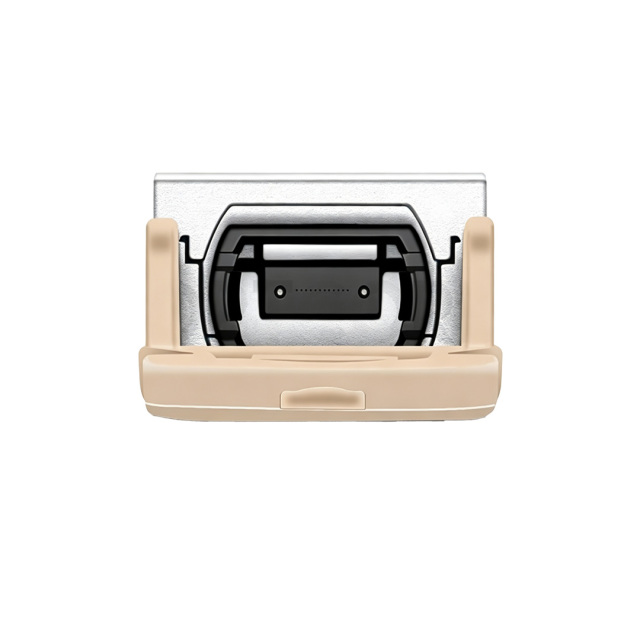
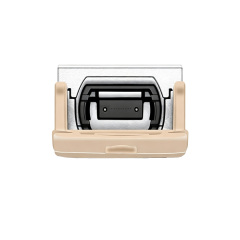
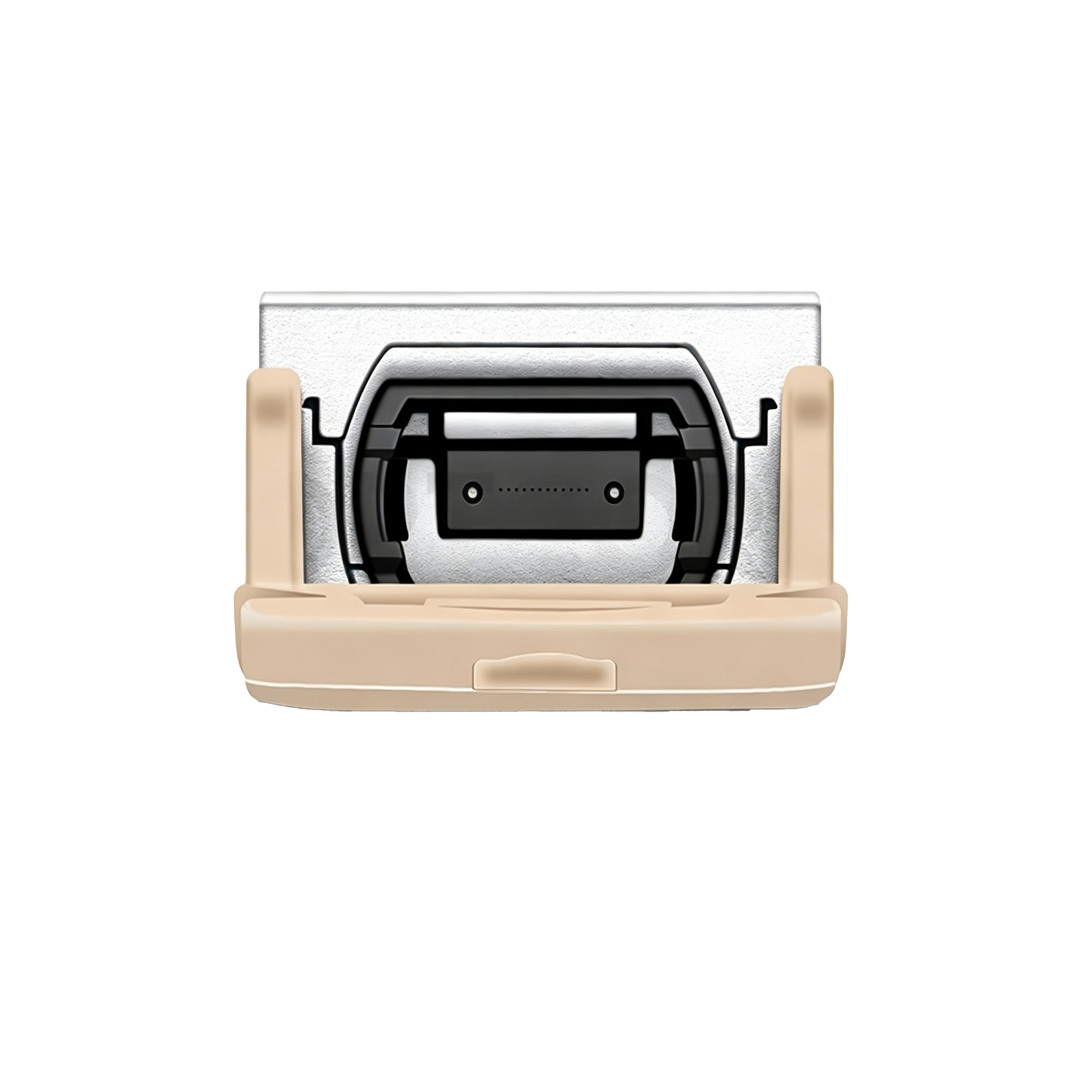
| Connector | MPO-12(UPC) | Voltage Supply | 3.3V |
| Cable Type | MMF | Receiver Overload | 4dBm |
| Transmitter Type | VCSEL 850nm | Receiver Type | PIN |
| TX Power | -6.5~+4.0dBm | Receiver Sensitivity | < -8.4dBm |
| Operation Temperature | 0 to 70°C (32 to 158°F) | Maximum Power | < 4.5W |
| Protocols | QSFP56 MSA, IEEE 802.3bs | Application | 200G Ethernet, High performance computing, Data Center Interconnect |
Usage Guidelines & Best Practices
Fiber Choice: Only works with OM3 / OM4 multi‑mode MPO‑12 trunk cable; single‑mode fiber cannot support 850nm SR4 transmission and will lead to link failure.
Distance Limit: Max 70m on OM3 MMF, max 100m on OM4 MMF; excessive splices, dirty end‑faces or sharp bends reduce actual working distance.
Cleanliness & Dust: Keep dust caps on whenever unattached. Clean fiber end-faces with a optical cleaning pen before insertion; dust causes over 80% of optical link failures.
Installation Specification: Hot‑plug supported; keep MPO connector end‑faces clean, observe minimum fiber‑bend radius requirements.
Operating Environment: Commercial temperature range 0°C‑70°C; maintain cabinet airflow to avoid module overheating.
For detailed operation instructions, please refer to the User Guide.
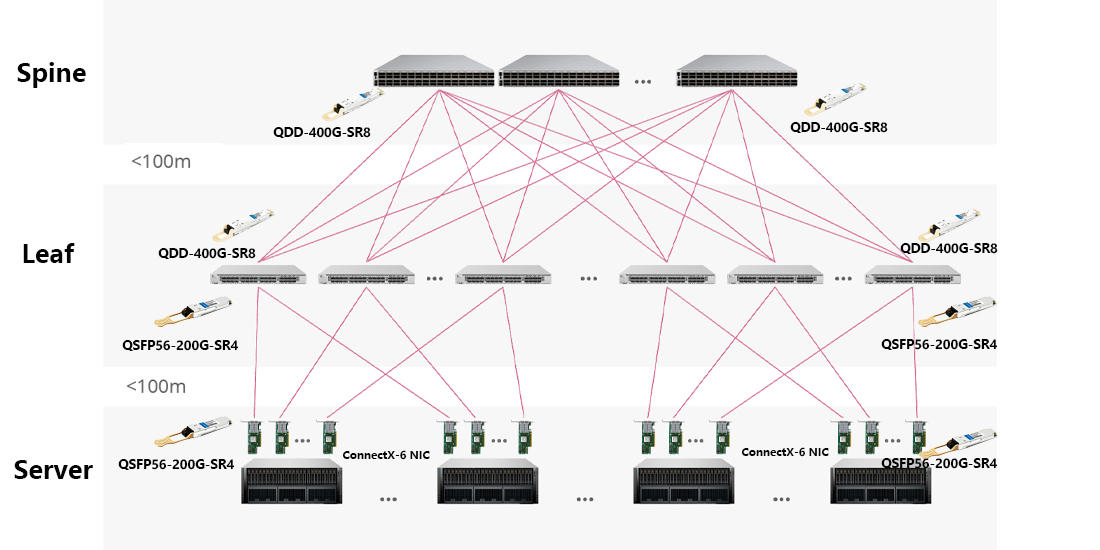
Built on universal MSA open standards, this QSFP56 transceiver is interoperable with mainstream network brands including Arista, Juniper, H3C, Huawei and Fortinet, adapting to mixed‑vendor leaf‑spine network upgrade and expansion scenarios.
• Leaf‑spine fabric deployments for modern AI‑ready data‑center architectures
• High‑density rack‑to‑rack trunk interconnections
• 200G high‑speed server and storage uplink connections
• 200G to 2×100G / 4×50G breakout architecture (host‑firmware dependent)
• Cost‑effective Arista data‑center network hardware upgrade projects
• Inventory supply for global distributors and system integrators for data‑center tender projects
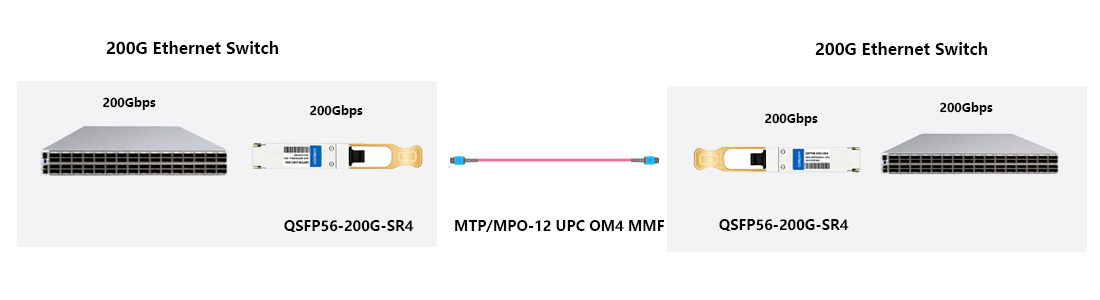
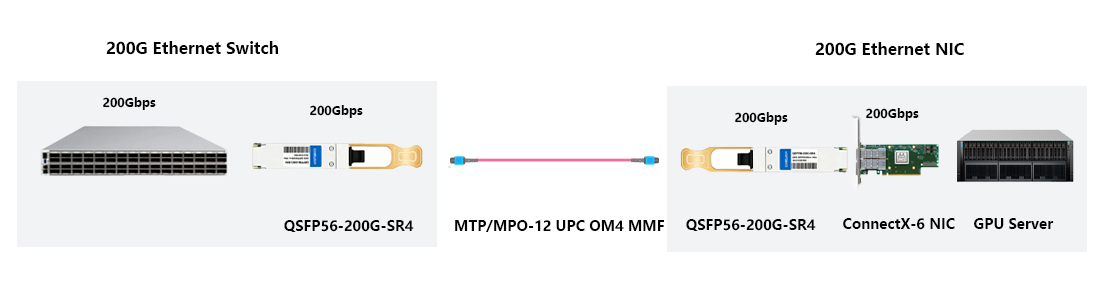
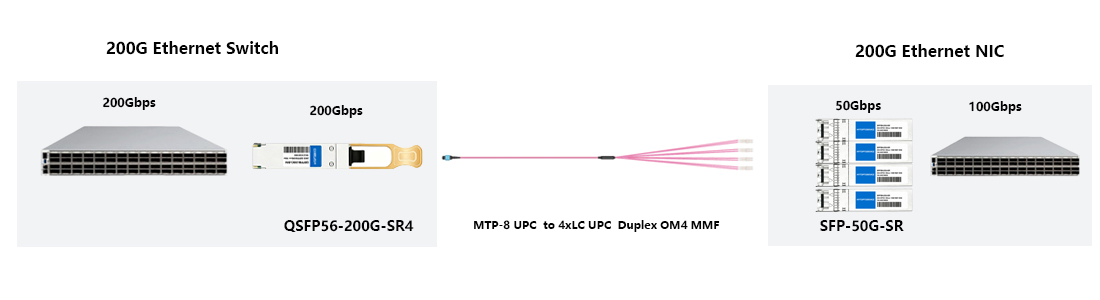
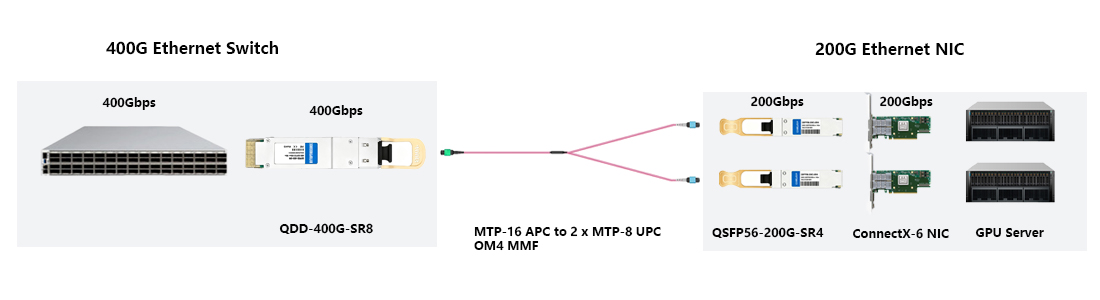


Q1: When planning 200G migration, how do total CAPEX for QSFP56 200G SR4 optics plus fiber trunks compare against scaling existing 100G links?
A: Total upfront CAPEX is higher for 200G SR4 infrastructure. As a direct manufacturer, HYTOPTODEVICE provides factory‑direct pricing for bulk buyers to offset costs, while doubling per‑port bandwidth and reducing total switch port consumption for growing GPU clusters.
Q2: What business justifications can network architects present to stakeholders to approve QSFP56 200G SR4 purchases before current 100G links saturate?
A: Justification centers on future capacity headroom rather than immediate link utilization. Purchasing HYTOPTODEVICE compatible QSFP56 200G SR4 modules reserves bandwidth for bursty AI training jobs and delays costly full hardware refresh cycles for enterprise and colocation purchasers.
Q3: Can an Arista QSFP56 200G SR4 port communicate natively with older 100G SR4 switch ports?
A: Native direct interoperation is not supported out of the box. This HYTOPTODEVICE QSFP56 200G SR4 module can connect to 100G SR4 interfaces only with proper port configuration on the Arista EOS switch.
Q4: For short-reach leaf-spine links, which factors guide procurement teams to pick standalone QSFP56 200G SR4 optics plus fiber trunks instead of 200G AOC assemblies?
A: Both solutions work well for short-reach data center connections. Choose HYTOPTODEVICE QSFP56 200G SR4 transceivers + MPO cabling for flexible cable re-routing and reusable cabling inventory; select AOCs for simple plug-and-play deployments without dedicated fiber trunk management.
Q5: Since QSFP56 200G SR4 runs PAM4 modulation rather than legacy NRZ, will these transceivers suffer worse signal integrity and higher bit error rates?
A: PAM4 has tighter noise margins than NRZ, yet properly calibrated HYTOPTODEVICE QSFP56 200G SR4 modules sustain low BER when paired with OM3/OM4 multimode fiber and active host FEC. Every unit passes target‑switch validation at our factory.
Q6: Upgrading all server uplinks to 200G, will QSFP56 SR4 optics trigger a major increase in rack power consumption and cooling demand?
A: The power increase is modest rather than dramatic. This HYTOPTODEVICE QSFP56 200G SR4 module consumes under 5W, delivering double the bandwidth of 100G optics with only marginal power growth for integrators expanding bandwidth without major cooling redesigns.
Q7: What practical workflows simplify MPO/MTP polarity management and end-face cleaning for QSFP56 200G SR4 MPO-12 links?
A: Standardize on a single polarity type for the entire structured cabling plant. When you source QSFP56 200G SR4 modules from HYTOPTODEVICE, we include polarity reference guidance with each shipment, and regular end-face inspection prevents contamination‑triggered link drops.
Q8: What expected service lifespan should purchasers plan for QSFP56 200G SR4 transceivers running continuous heavy traffic in production data centers?
A: Typical usable lifespan reaches 7–10 years under standard commercial data center operating conditions. HYTOPTODEVICE’s strict QC workflow stabilizes laser performance over time, giving distributors and end customers extended service life for bulk purchased optics.
Q9: Are QSFP56 200G SR4 optical components still impacted by global chip shortages and extended lead times for large wholesale orders?
A: Many vendors still face supply volatility, while HYTOPTODEVICE maintains steady component inventory as a reliable supplier. We support fast shipment for standard Arista compatible QSFP56 200G SR4 modules and share clear lead time forecasts with wholesale purchasers.
Q10: What quality checks should procurement teams implement to avoid counterfeit or low-grade cloned QSFP56 200G SR4 optics from unknown online sellers?
A: Source directly from verified transceiver manufacturers instead of unvetted online resellers. When you buy from HYTOPTODEVICE, every QSFP56 200G SR4 module completes target switch testing, and we supply full test records for traceability and audit purposes.
Q11: With 400G and 800G platforms widely available, is investing in QSFP56 200G SR4 a dead-end networking technology?
A: No, QSFP56 200G SR4 remains a mainstream mid-tier upgrade standard. It fits most AI and enterprise leaf-spine upgrade projects well, and HYTOPTODEVICE’s compatible QSFP56 200G SR4 optics deliver balanced cost-performance for buyers not ready for high 400G CAPEX.
Q12: Is a high-risk firmware upgrade mandatory for existing Arista switches to identify third-party QSFP56 200G SR4 transceivers?
A: Firmware alignment is required but not inherently risky. We pre-code Arista EOS-compatible EEPROM for this HYTOPTODEVICE QSFP56 200G SR4 module; buyers only need to deploy stable, Arista-validated EOS firmware releases.
Q13: Can network operations teams trust the DOM telemetry power and temperature readings reported by these QSFP56 200G SR4 transceivers?
A: Yes, DOM telemetry data is dependable for routine monitoring. Each HYTOPTODEVICE QSFP56 200G SR4 transceiver is factory calibrated, and CMIS DDM outputs supply accurate real-time metrics for O&M teams to track ongoing link health.
Q14: Without costly optical spectrum analyzers, how can tier-one support engineers quickly isolate a faulty QSFP56 200G SR4 optic during troubleshooting?
A: Use simple port swap testing combined with DOM diagnostic logs. Our HYTOPTODEVICE QSFP56 200G SR4 modules expose DOM metrics on Arista EOS, so support engineers can swap modules and compare power readings to pinpoint failures without premium lab test equipment.
Q15: Do these Arista compatible QSFP56 200G SR4 transceivers satisfy global environmental and safety compliance standards required for data center rollout?
A: Yes. All HYTOPTODEVICE QSFP56 200G SR4 modules meet RoHS compliance requirements. We can issue full compliance certificates for bulk purchasers, supporting tender audits, cross-border shipping and regulated data center rollout requirements.
Packaging & Custom OEM Solutions
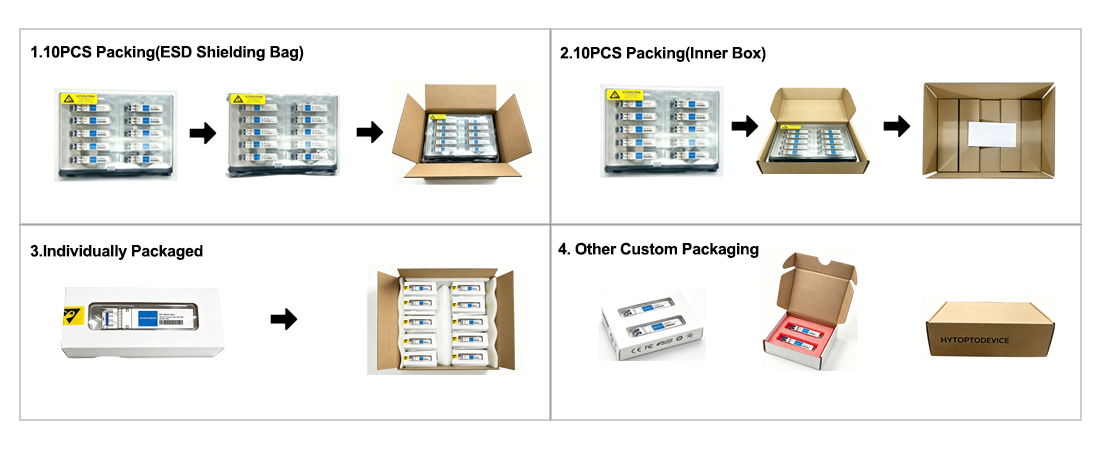
ESD Protection & Fast Shipping: Every module is sealed in an ESD-safe bag and ready for same-day dispatch from stock.
Custom OEM & Branding: We provide logo printing, private labeling, and custom packaging to help distributors and integrators build their brand—no factory investment required.
Why Network Engineers Choose HYTOPTODEVICE
HYTOPTODEVICE has supplied over 5000,000 optical transceiver modules to data centers, ISPs, and enterprise networks across 100+ countries since 2011. Every module undergoes a 72-hour burn-in test and full DDM/DOM validation before shipment.
“Phenomenal performance. We deployed 200 HYTOPTODEVICE SFP modules to replace Cisco OEMs in our backbone network. Result? Zero compatibility issues and a 60% reduction in costs. Highly recommended for mission-critical networks."— Senior Network Engineer, Regional Telecom, Australia
Quality Certification & Compliance
At HYTOPTODEVICE, our quality commitment is backed by industry-standard validations. From fiber optical transceiver manufacturing to final visual inspection, from IQC、IPQC、FQC to OQC, our processes ensure global compliance and reliability.
We adhere to rigorous standards for our SFP modules and network solutions:
ISO 9001: Certified quality management and production consistency.
CE & FCC: Fully compliant for seamless Global Market Access.
RoHS: Committed to environmental responsibility and hazardous material control.
Proven Reliability: Rigorous testing to reduce compliance risk and ensure safety.
Certified Quality. Global Standards. Guaranteed Performance.