Q2: Do I need a Mode Conditioning Patch cable for Single-Mode Fiber links?
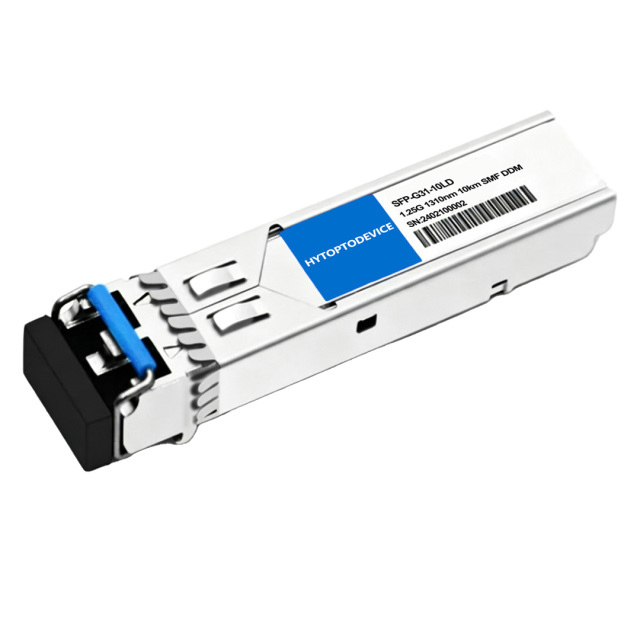
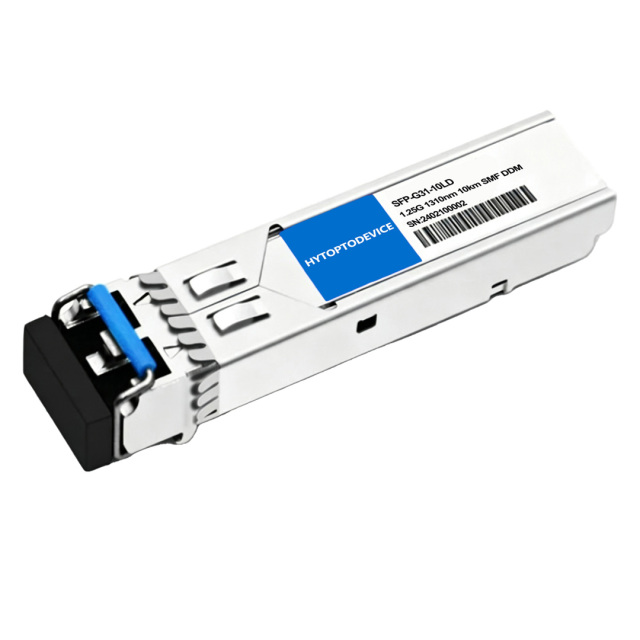
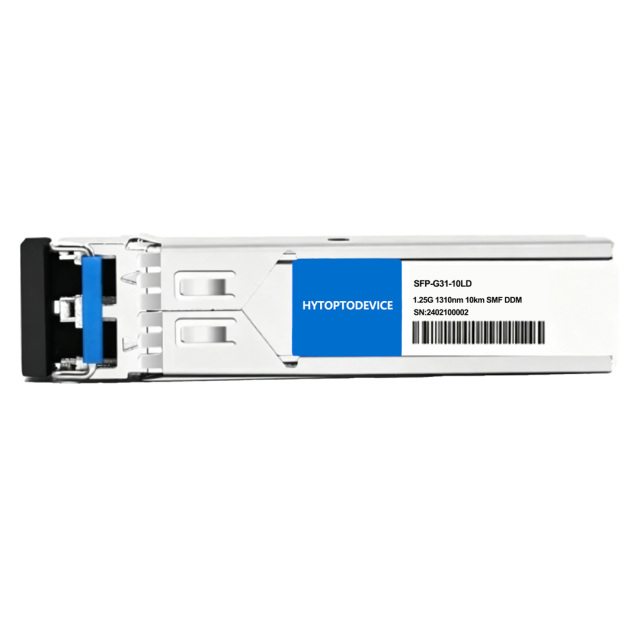
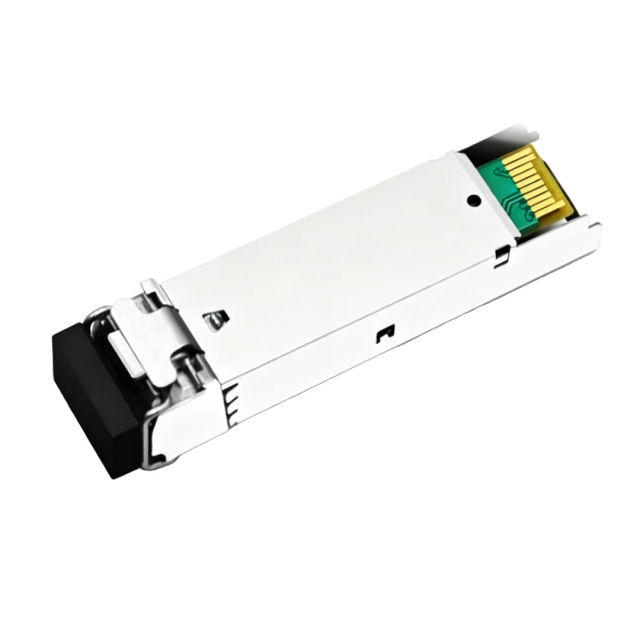
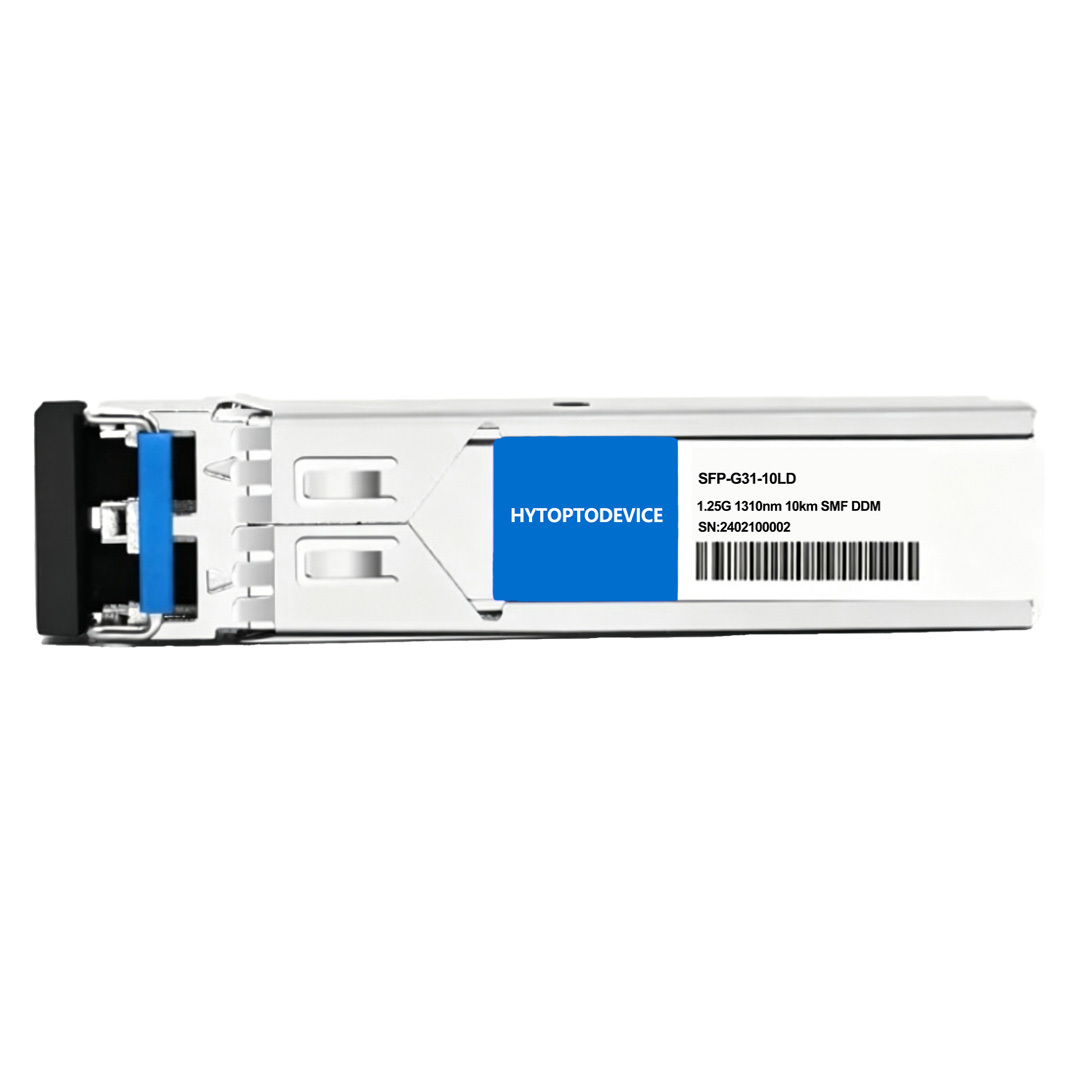
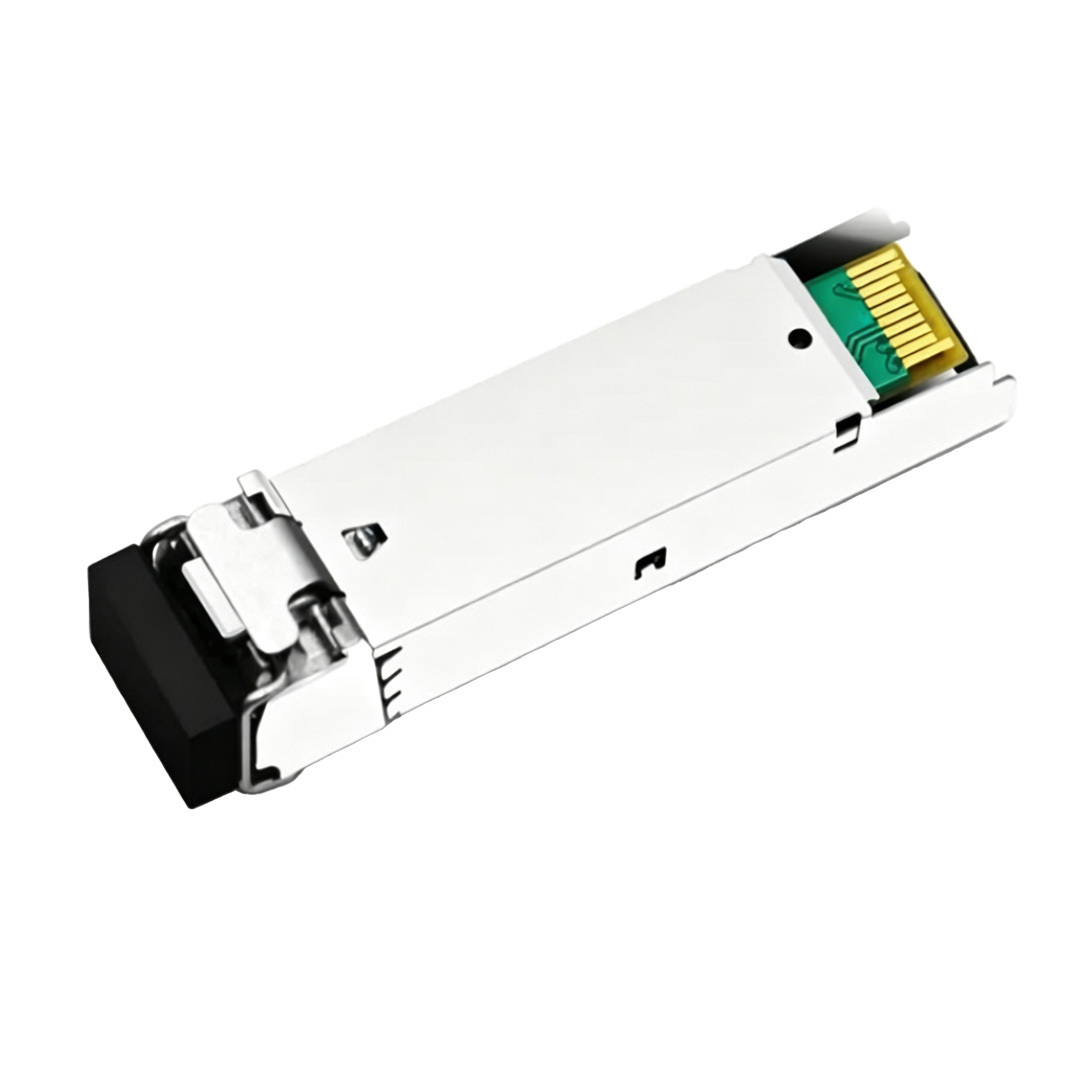
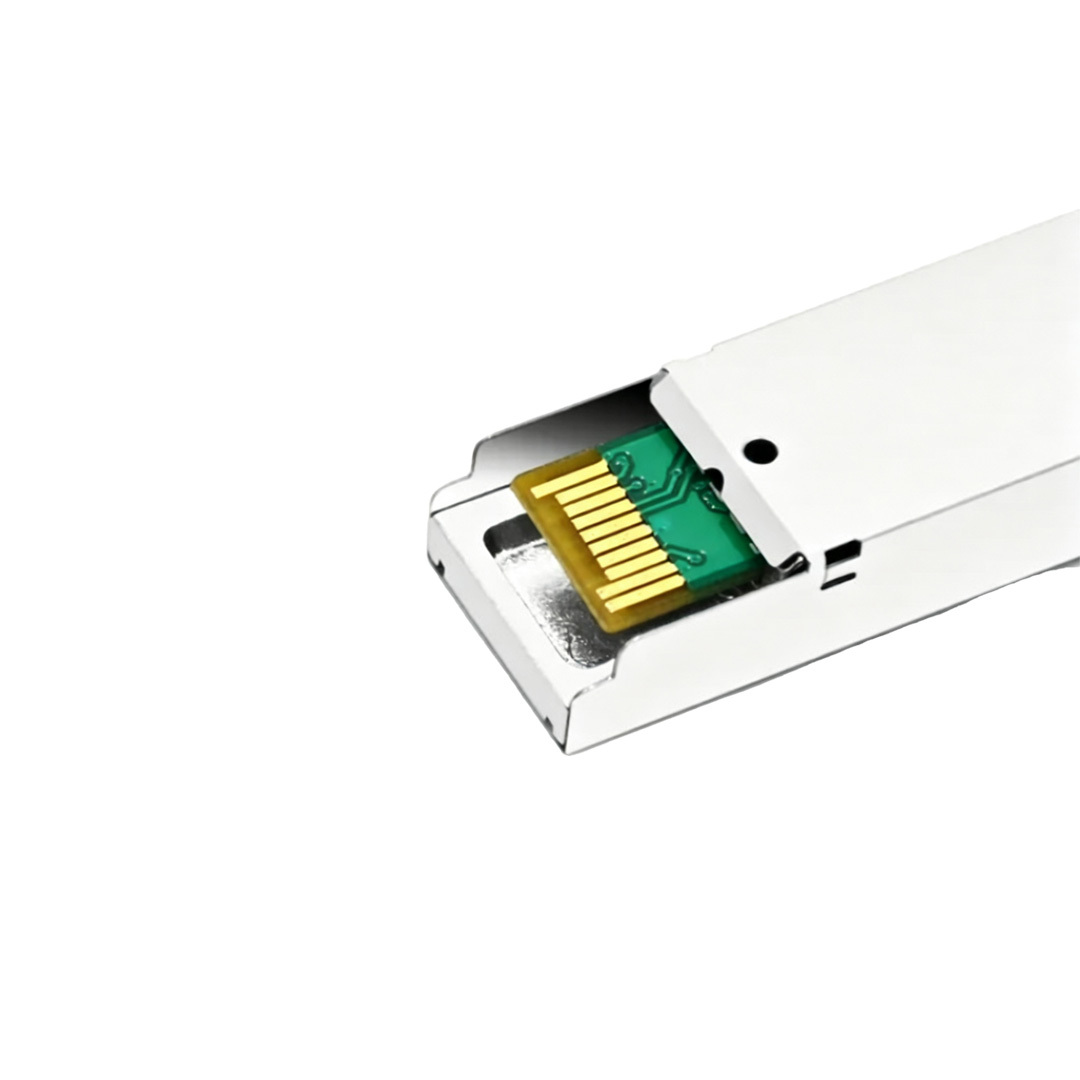
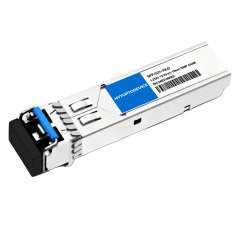
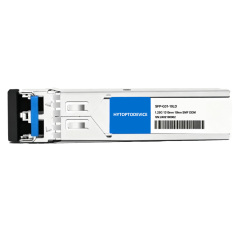
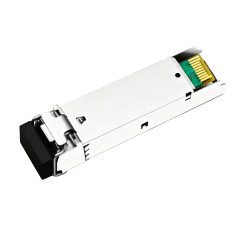
A: No, mode conditioning patch cables are unnecessary for standard single-mode fiber links. This HYTOPTODEVICE Netgear AGM732F fiber optic transceiver runs stably on SMF without extra cables, only requiring such accessories for multimode fiber networking to eliminate signal delay issues.
Q3: What is the receiver sensitivity (RX power limit) for 1.25G LX?
A: The receiver sensitivity of this Netgear AGM732F compatible 1.25G LX fiber optic transceiver is ≤ -22 dBm. With high-sensitivity optical chip calibration, it ensures stable signal reception and error-free gigabit link operation under complex network line conditions.
Q4: What should I check if DDM shows low optical RX power?
A: If the DDM monitoring system of your HYTOPTODEVICE Netgear fiber optic transceiver displays low RX power, check for dirty fiber end faces, aging patch cords, excessive line loss, reversed TX/RX polarity and mismatched fiber types. Cleaning interfaces and replacing faulty cables can quickly restore normal link power.
Q5: Can I use SC-to-LC patch cables with an LX SFP?
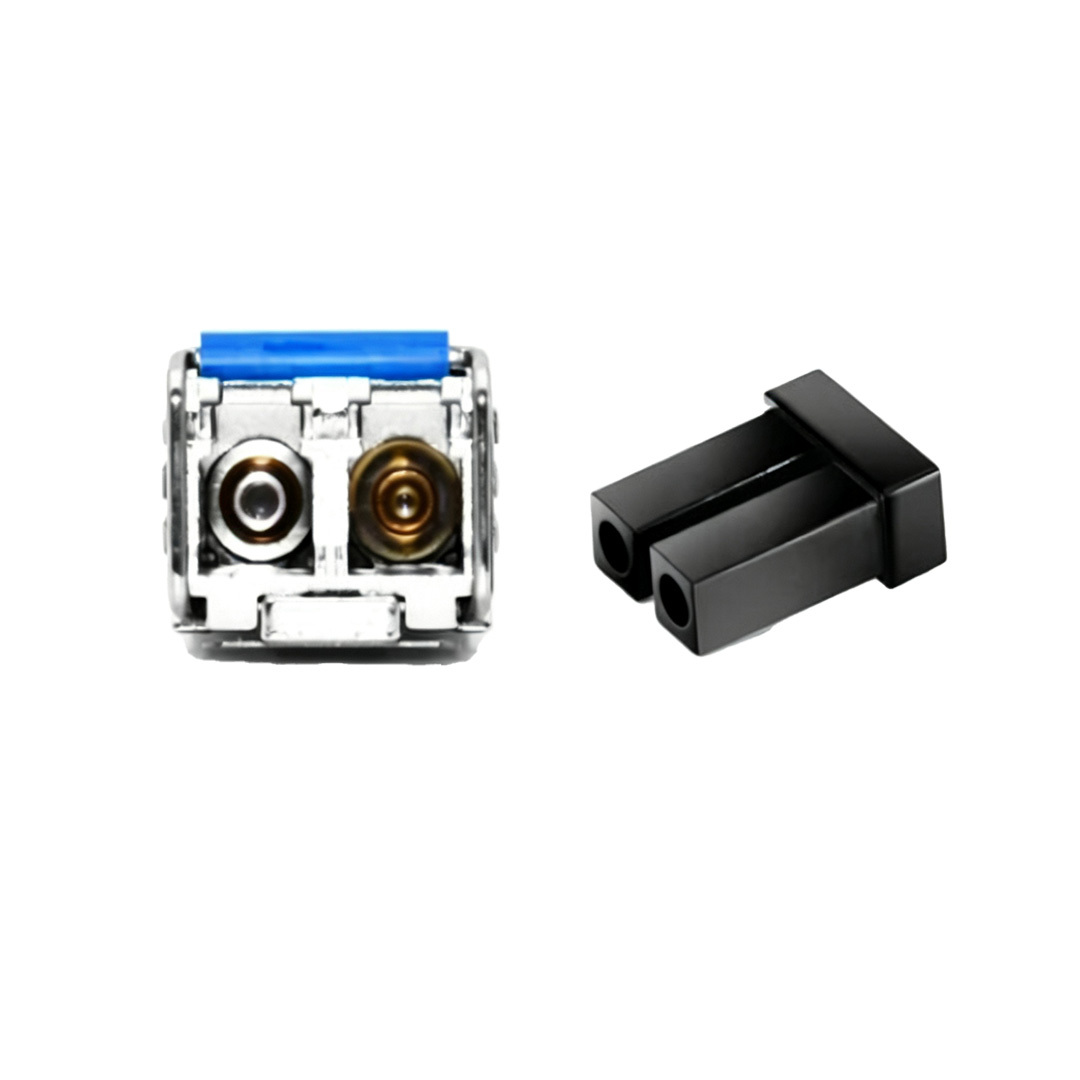
A: Yes, SC-to-LC hybrid patch cables are fully compatible with this Netgear AGM732F LX SFP fiber optic transceiver. The interface conversion does not damage optical transmission quality, supporting flexible port matching for existing enterprise network cabling systems.
Q6: Does optical polarity (TX/RX position) matter on fiber patch cords?
A: Absolutely yes, optical TX/RX polarity directly affects link status. Reversed polarity will block optical signals and cause Netgear switch port offline. This HYTOPTODEVICE compatible fiber optic transceiver requires standard polarity matching to guarantee normal data transmission.
Q7: Can I use APC (green connector) LC cables with standard SFP optics?
A: It is not recommended to match APC green connectors with this standard 1000BASE-LX Netgear AGM732F fiber optic transceiver. APC connectors cause optical reflection interference, triggering continuous packet loss and accelerating the aging of SFP optical modules and fiber links.
Q8: What causes intermittent link drops on LX links?
A: Intermittent LX link drops on Netgear switches are mainly caused by contaminated fiber interfaces, unstable optical power, uncalibrated third-party modules and poor cable contact. HYTOPTODEVICE factory-tested fiber optic transceiver effectively avoids these common link failure issues.
Q9: What is the standard operating temperature range?
A: This commercial-grade Netgear AGM732F compatible fiber optic transceiver from HYTOPTODEVICE features a standard 0℃ to 70℃ operating temperature range, supporting long-term continuous stable operation in indoor data center and office network environments.
Q10: Why is fiber cleaning critical for 1310nm LX links?
A: The 1310nm low-loss wavelength of Netgear 1000BASE-LX fiber optic transceiver is highly sensitive to dust and stains. Dirty fiber end faces increase signal attenuation and trigger low-power alarms; regular cleaning ensures long-term stable gigabit transmission for enterprise fiber links.
Q11: Does this LX transceiver meet RoHS, CE, and FCC standards?
A: Yes, all HYTOPTODEVICE Netgear AGM732F compatible fiber optic transceiver products pass strict testing and fully comply with CE, FCC, RoHS and REACH international certification standards, suitable for global commercial and enterprise network deployment.
Q12: Will freezing temperatures degrade LX transceiver performance?
A: Yes, freezing temperatures below 0℃ will degrade the laser stability and optical power accuracy of this Netgear LX fiber optic transceiver. This commercial module is designed for indoor use and cannot maintain stable performance in long-term low-temperature outdoor environments.
Q13: Can this 1.25G LX module auto-negotiate down to 100Mbps Fast Ethernet?
A: No, this HYTOPTODEVICE 1.25G Netgear AGM732F fiber optic transceiver is a fixed gigabit module without speed auto-negotiation function, unable to downgrade and adapt to 100Mbps fast Ethernet network environments.
Q14: Can this module transmit CPRI / OBSAI signals for cell towers?
A: No, this Netgear compatible 1000BASE-LX fiber optic transceiver is designed for standard Ethernet gigabit transmission only, and does not support professional CPRI/OBSAI protocol signals required for cellular base station tower networking.
Q15: What standard specifies 1.25G 1310nm LX transmission?
A: This HYTOPTODEVICE Netgear AGM732F fiber optic transceiver strictly follows IEEE 802.3z gigabit Ethernet and SFP MSA industry standards, which define the official transmission parameters for 1.25G 1310nm single-mode LX optical modules.
Q16: Can I visually see the 1310nm laser light emitted from the transceiver?
A: No, the 1310nm infrared laser adopted by this Netgear LX fiber optic transceiver is invisible to the human eye. It is forbidden to stare at the SFP port for a long time to avoid potential laser radiation safety risks.
Q17: How to find reliable transceiver vendor for ISP network upgrade?
A: For large-scale ISP network upgrade projects, choose reliable factory vendors like HYTOPTODEVICE. Our calibrated Netgear AGM732F fiber optic transceiver features full compatibility, stable DDM monitoring, 5-year warranty and customizable OEM services, ideal for bulk ISP and enterprise network deployment. Contact sale@hytoptodevice.com for exclusive bulk quotations.
Packaging Options & Custom‑Packaging Solutions
Every transceiver module gets reliable ESD‑safe packaging out of the box. Standard packing is ready for immediate shipment, while custom‑printed packaging with your logo is available for bulk orders.

Why Network Engineers Choose HYTOPTODEVICE