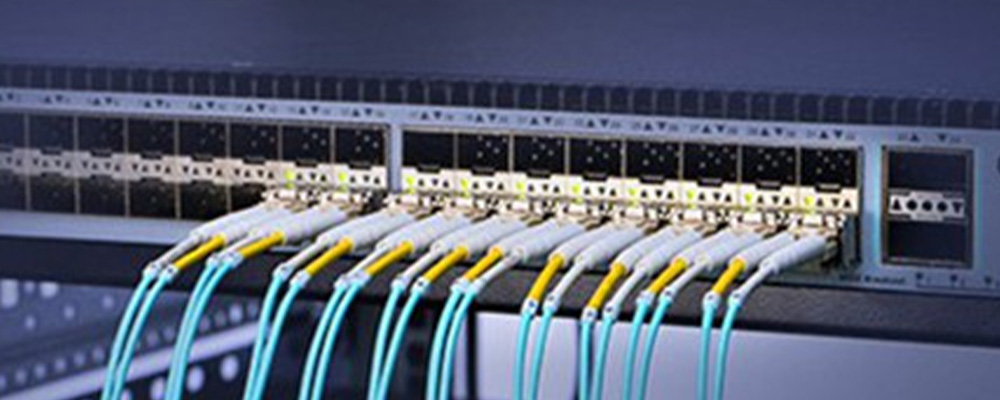
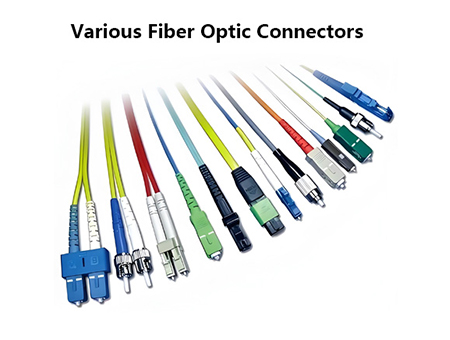
The fiber optic connector is the critical interface that links your fiber cable to a switch, router, fiber optical module or another cables. And just like with USB or HDMI, there isn't just one universal type. In the blog, HYTOPTODEVICE, A Profession Optical Module Manufacturer, will share the most common ones you'll encounter.
Table of Contents: 一、FC Connector: The Secure Veteran 二、SC Connector: The Standard Workhorse 三、LC Connector: The High-Density Champion 四、 ST Connector: The Classic Bayonet 五、Conclusion: Choosing the Right ConnectorIn the world of high-speed data transmission, fiber optics is the undisputed king. But the light traveling through the glass needs a reliable way to connect to devices like routers,switches,optical transceivers. That's where fiber optic connectors come in. These tiny interfaces are critical for linking cables to switches, routers, and most importantly, optical modules.
With several types available, it can be tricky to keep them straight. This guide will break down the four most common fiber optic connectors you'll encounter and where you'll typically find them.
 一、FC Connector: The Secure Veteran
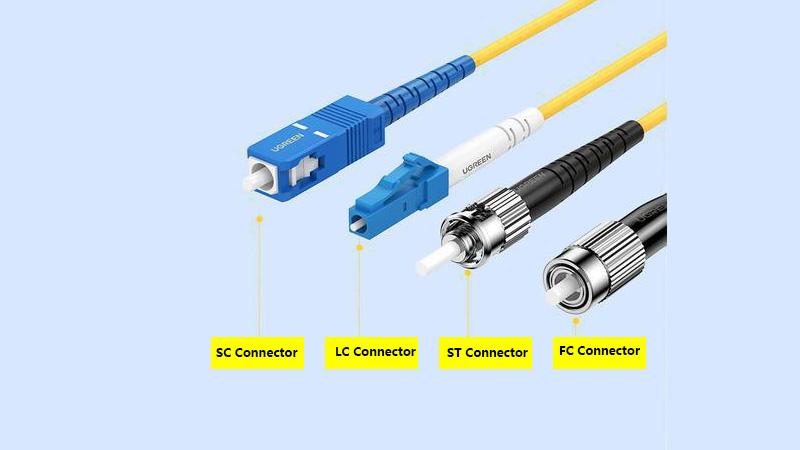
1.Design: Round, sturdy body with a threaded tip.
· 2.Connection Method: A threaded coupling nut. You screw it on to ensure a tight, secure fit.
· 3.Common Uses: Thanks to its vibration-resistant design, the FC connector is often found in more demanding environments like optical terminal equipment and fiber patch panels. It's less common in everyday networking gear but valued for its reliability in fixed installations.
二、SC Connector: The Standard Workhorse 1.Design: A square, robust "Big Square" connector.
· 2. Connection Method: A simple and efficient push-pull mechanism. You push to connect and pull to disconnect—no twisting required.
· 3.Common Uses: The SC is a true industry standard. You'll frequently see it on routers, switches, and media
converters or optical modules. Its straightforward design makes it a popular choice for general-purpose data links.
三、LC Connector: The High-Density Champion 1.Design: A small, square "Little Square" connector.
2.Connection Method: Push-pull, just like the SC, but with a form factor that is roughly half the size.
3.Common Uses: This is the undisputed favorite for modern, high-density applications. Its compact size allows for more ports in the same space on routers and switches,fiber optic transceivers. This is especially critical when connecting to optical modules (like SFP, SFP+, QSFP) where port real estate is limited. If you're working with a modern data center, you'll be working with LC connectors.
四、 ST Connector: The Classic Bayonet 1.Design: A round, spring-loaded connector with a bayonet lock.
2.Connection Method: You push it in and twist it approximately half a turn to lock it in place.
3.Common Uses: The ST is an older design but is still prevalent in many existing installations, such as fiber patch panels and fiber terminal boxes. While it has been largely superseded by SC and LC in new equipment, it remains a staple in legacy networks, like those for campuses and building backbones.
 五、Conclusion: Choosing the Right Connector
 While all these connectors effectively transmit light, the choice depends on your application. For new deployments, especially those driven by fiber optical modules in switches and routers, the LC connector is the go-to for its space-saving design. The SC remains a reliable and cost-effective choice for many standard links, while FC and ST are crucial to know for maintaining existing infrastructure.
Understanding these differences ensures you can build, manage, and troubleshoot your fiber network efficiently, guaranteeing that your data keeps flowing at the speed of light.



