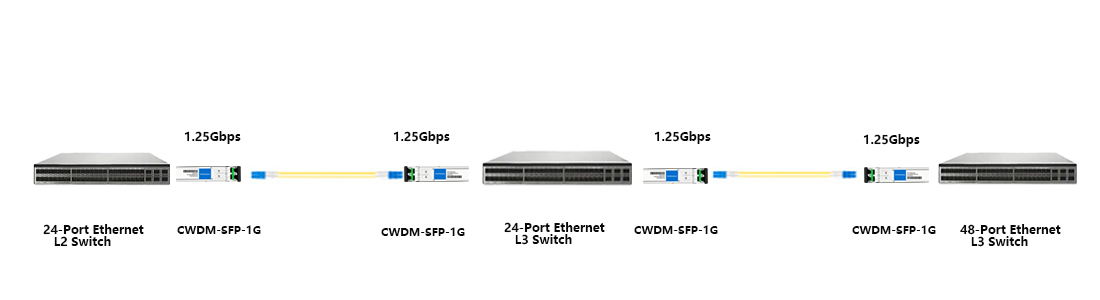
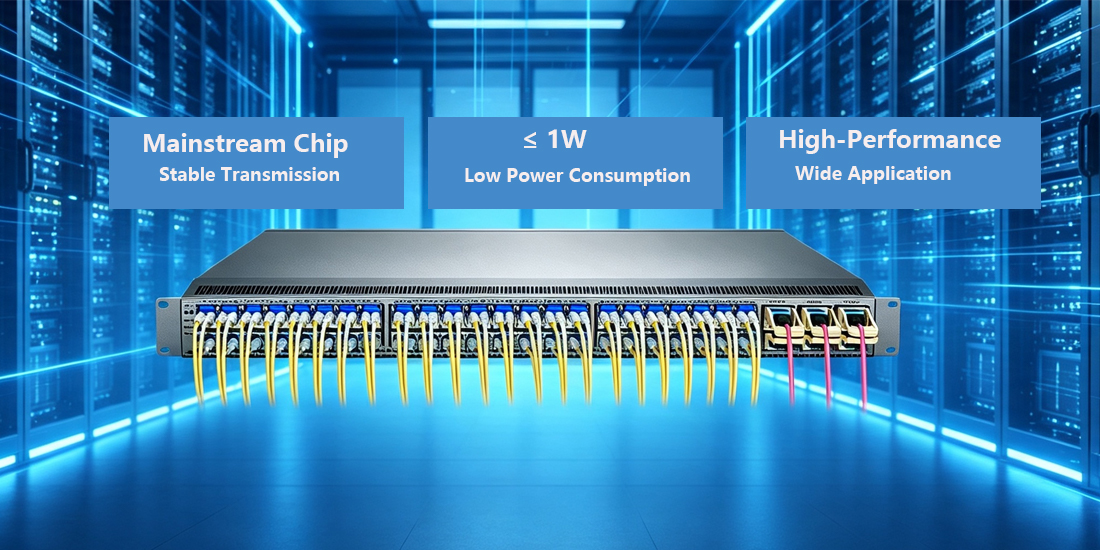
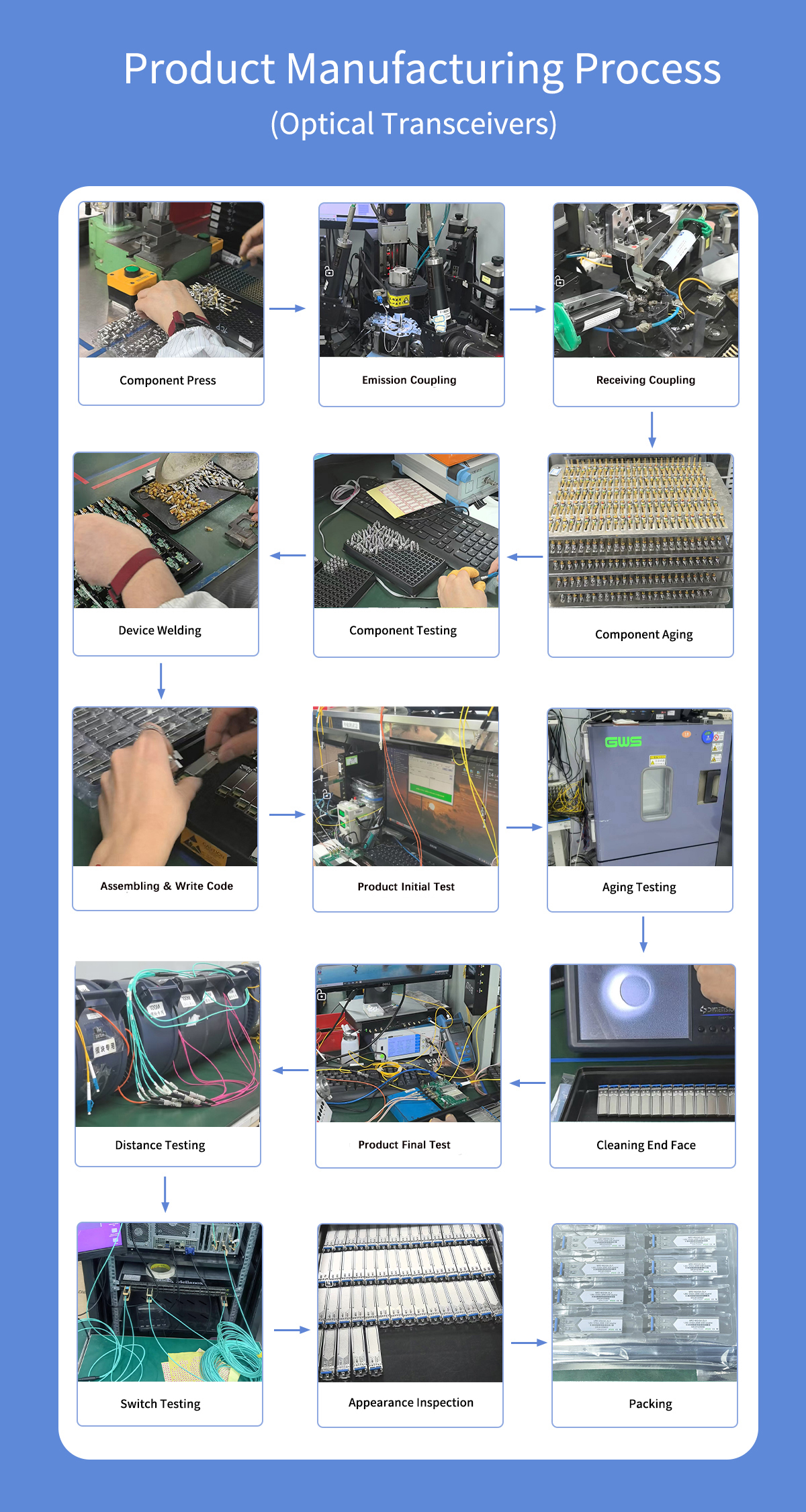
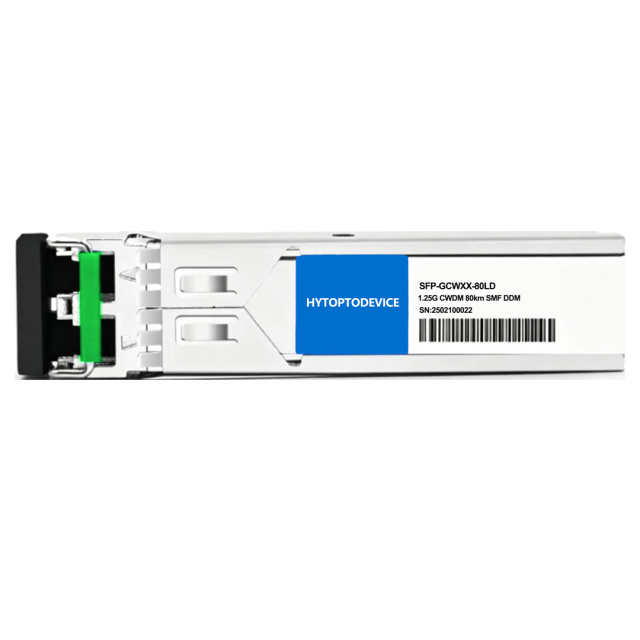
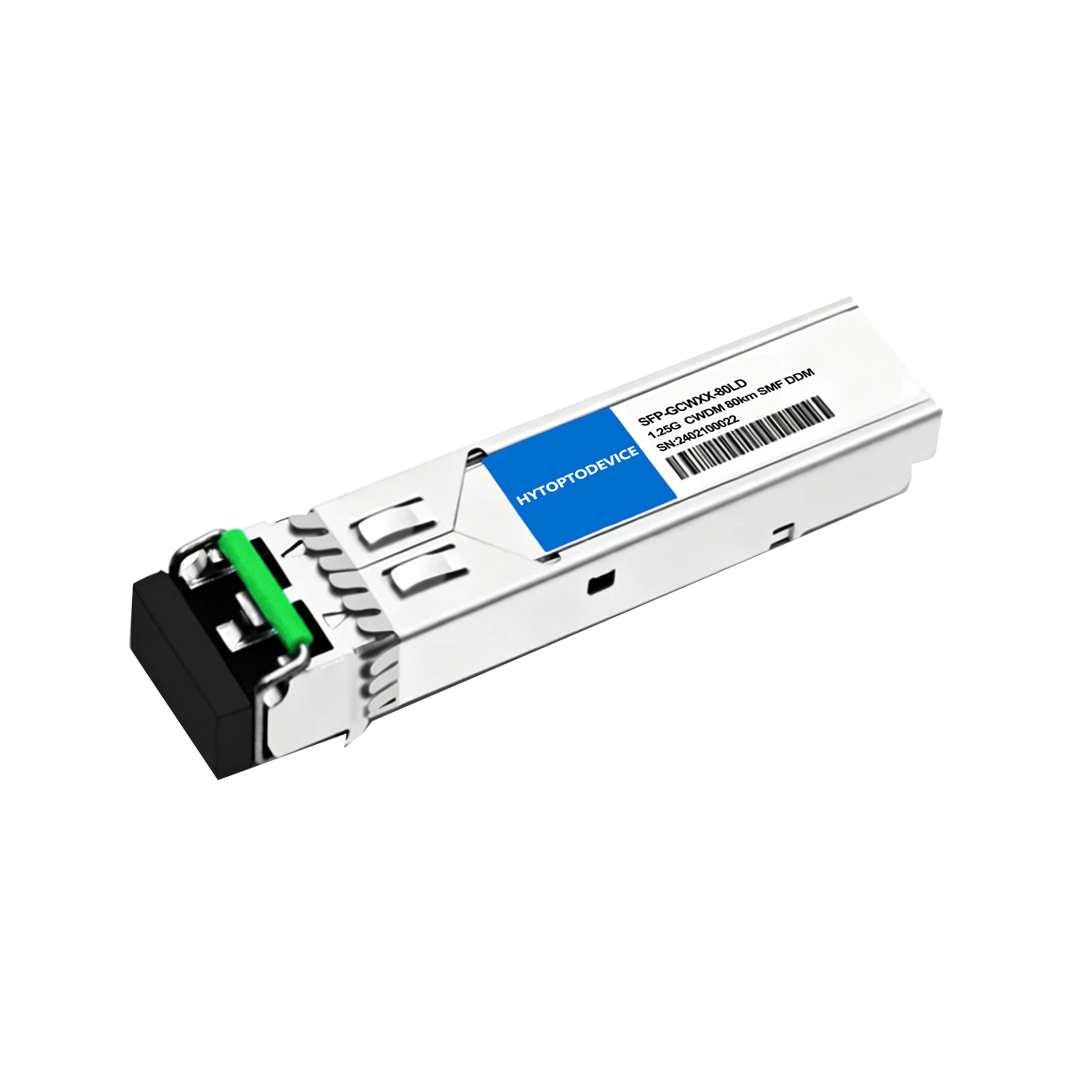
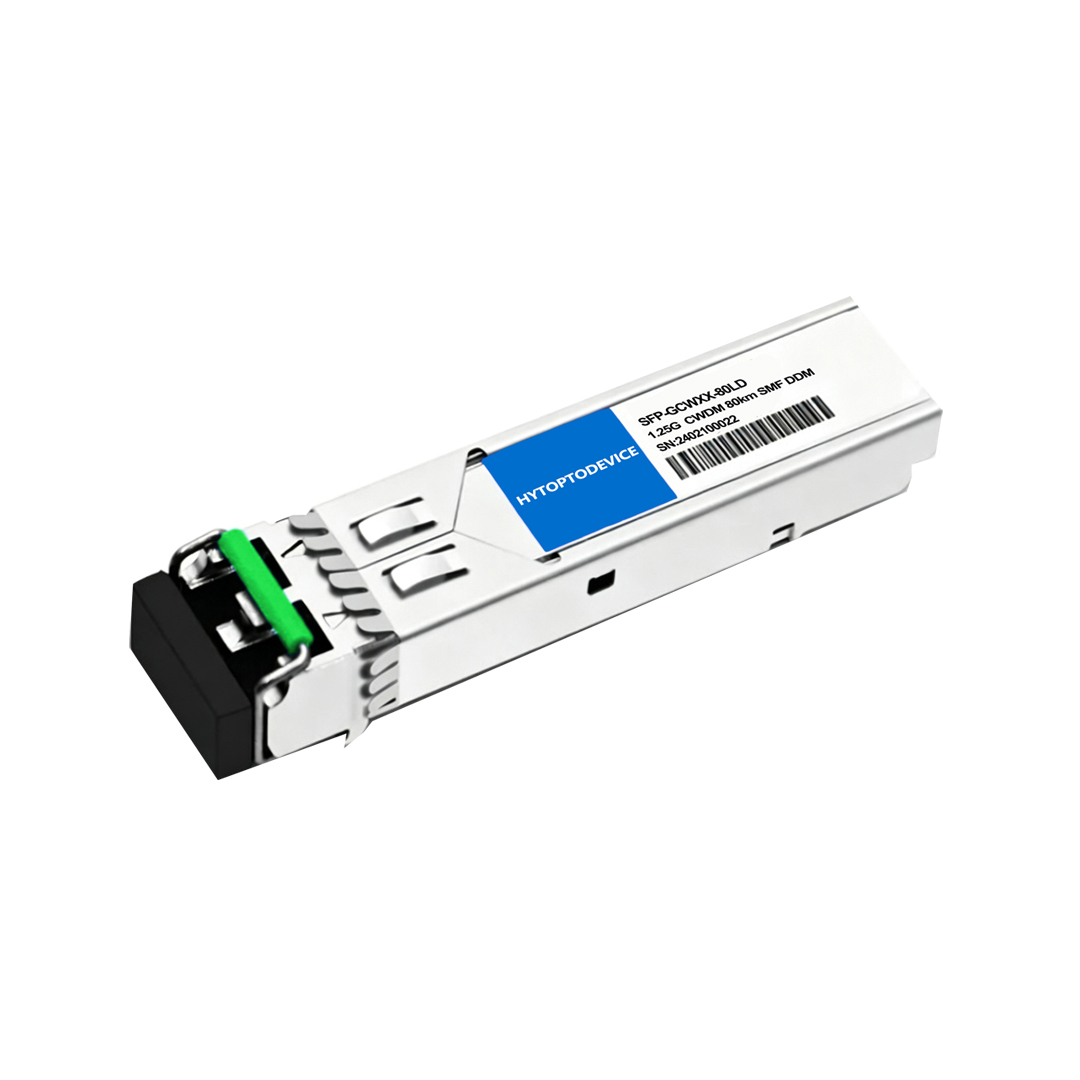
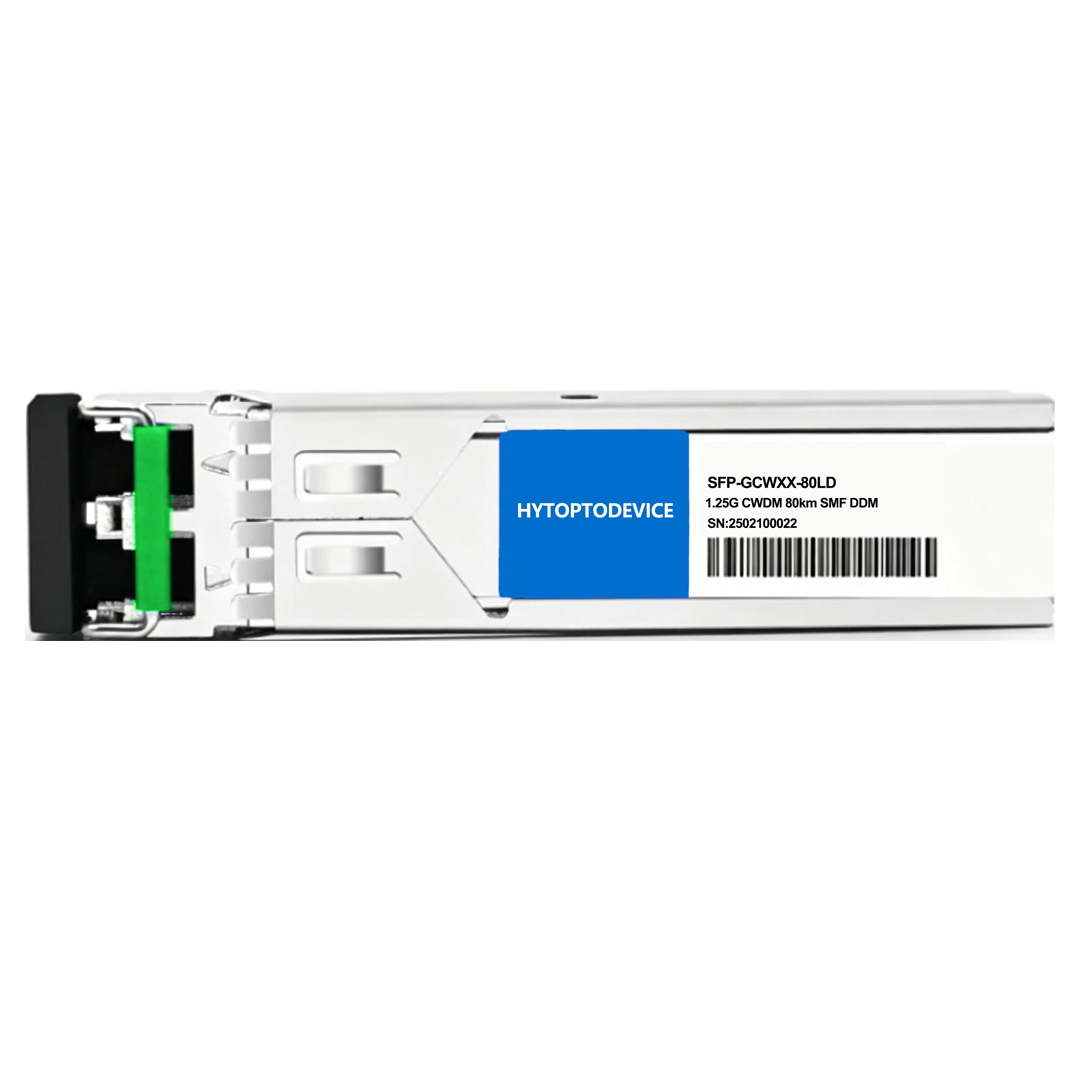
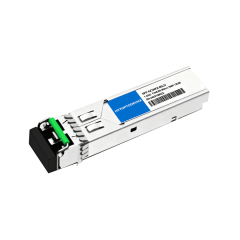
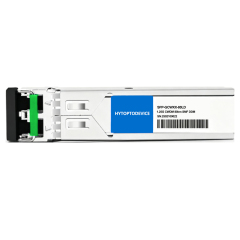
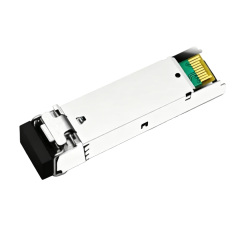
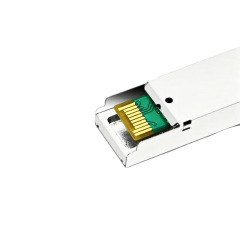
Every CWDM transceiver undergoes multi-stage strict testing including optical calibration, aging and temperature cycling. Built-in DDM monitoring supports real-time operating data viewing, ensuring long-term stable operation in complex metro networking environments and lowering field failure rates. Curious how? Tour the
.
A: Absolutely. Our Huawei eSFP-LH80-SM1491 compatible 80km CWDM transceiver adopts high-sensitivity DFB laser receiver design. With excellent optical power margin, it achieves stable full-distance 80km gigabit transmission over standard OS2 single-mode fiber without any optical amplification equipment, perfectly fitting passive long-haul CWDM networking.
Q2: What is the standard optical power budget of HYTOPTODEVICE 1491nm 1.25G 80km CWDM SFP for fiber links?
A: Engineered for long-haul 80km CWDM networking, our Huawei-compatible 1491nm SFP delivers a standard transmit optical power range of 0dBm to +4dBm and boasts a receiving sensitivity of -26dBm with integrated PIN receiver. This configuration delivers a stable total optical link budget of 24dB to 25dB, fully covering routine fiber attenuation, joint loss and connector loss for standard metro long-distance transmission links.
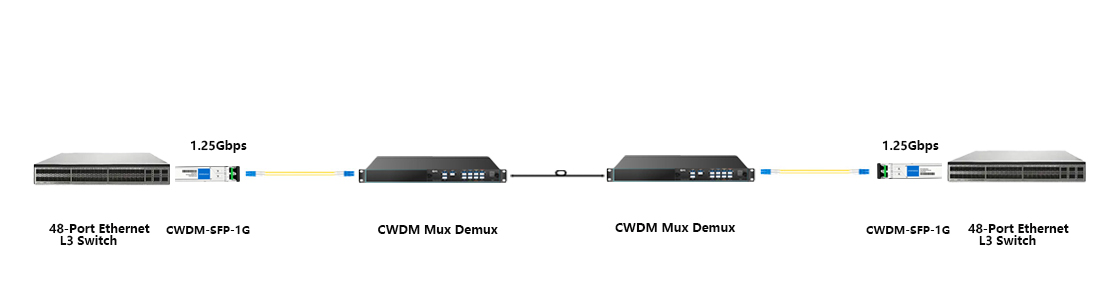
Q3: How much total insertion loss does passive CWDM Mux/Demux introduce to 1491nm 80km CWDM links?
A: Standard 8-channel passive CWDM multiplexer and demultiplexer devices bring consistent fixed insertion loss for long-haul links. A single Mux or Demux port contributes 1.5dB to 2.5dB of loss, with a complete Mux/Demux pair generating a total cumulative loss of 3dB to 5dB. This loss must be pre-deducted from the total link budget of HYTOPTODEVICE 1491nm 80km CWDM SFPs to guarantee stable 80km end-to-end transmission.
Q4: What industry-standard wavelength grid does HYTOPTODEVICE Huawei eSFP-LH80-SM1491 replacement SFP comply with?
A: Our 1491nm CWDM transceiver strictly adheres to global standard CWDM wavelength grid specifications. It features standardized fixed spectral spacing for the 1491nm dedicated channel, ensuring full compatibility and seamless docking with all mainstream commercial CWDM MUX/DEMUX devices for standardized multi-channel fiber multiplexing networking.
Q5: What makes 1470nm–1610nm CWDM wavelengths the best choice for 80km single-mode fiber deployment?
A: The 1470nm–1610nm CWDM long-wave band features ultra-low signal attenuation and minimal chromatic dispersion on OS2 single-mode fiber. HYTOPTODEVICE 1491nm 80km CWDM SFP falls within this optimal transmission waveband, effectively reducing long-distance signal fading and distortion, and maintaining ultra-stable gigabit signal quality throughout 80km fiber links.
Q6: Does HYTOPTODEVICE 1491nm 80km Huawei CWDM SFP support SFF-8472 compliant DDM real-time monitoring?
A: Yes. This 1.25G long-reach CWDM optical module fully supports standard SFF-8472 DDM/DOM digital optical monitoring protocol. It enables real-time remote monitoring of core operating parameters including TX/RX optical power, module working temperature and supply voltage on Huawei host devices, realizing intelligent and visualized link operation management.
Q7: Why is built-in DDM monitoring essential for 80km long-distance CWDM fiber link operation?
A: 80km ultra-long fiber links are prone to performance fluctuations caused by environmental changes and cumulative fiber loss. The native DDM monitoring function of HYTOPTODEVICE 1491nm CWDM SFP supports real-time anomaly pre-judgment, quickly locating common faults such as port contamination, fiber loss overload and module overheating, significantly reducing operation and maintenance difficulty for long-haul metro CWDM networks.
Q8: What is the stable operating temperature range of HYTOPTODEVICE industrial-grade 1491nm 80km CWDM SFP?
A: This Huawei-compatible 80km CWDM SFP adopts industrial-enhanced commercial design, with a reliable operating temperature range of 0°C to 70°C. It can maintain consistent optical transmission performance and stable line-rate operation in standard equipment rooms and outdoor communication cabinets, adapting to diverse complex temperature-variable networking scenarios.
Q9: What is the primary reason for line rate negotiation failure on 1.25G 80km CWDM SFP links?
A: Excessive total link budget loss is the leading cause of link negotiation failure. Common influencing factors include over-limit transmission distance, excessive fiber splicing points, dirty LC port end faces, and mismatched CWDM wavelength channels. HYTOPTODEVICE high-loss-tolerance 1491nm CWDM modules can effectively avoid such failures in standard engineering deployment environments.
Q10: DDM detects -28dBm Rx power, what causes the 1491nm 80km CWDM link downtime?
A: The -28dBm received power value is lower than the module’s standard receiving sensitivity threshold, resulting in unstable signal reception and link disconnection. This issue is mainly triggered by insufficient residual link loss margin, slight fiber damage or contaminated port end faces. Cleaning LC-PC interfaces and optimizing overall fiber loss can effectively restore normal link operation.
Q11: What are the overall project cost differences between 80km CWDM SFP and standard 10km gigabit SFP modules?
A: Although 80km long-reach CWDM SFPs have a slight single-unit cost premium over 10km short-range modules, they eliminate the need for intermediate signal relay equipment and repeated cabling construction. For cross-area long-distance networking projects, HYTOPTODEVICE 1491nm CWDM SFPs greatly reduce total project investment and improve fiber resource utilization rate.
Q12: What total deployment cost advantages does 1.25G 80km CWDM SFP have compared with equivalent DWDM solutions?
A: HYTOPTODEVICE 1491nm 80km CWDM SFP solutions deliver obvious cost advantages over DWDM networking schemes. CWDM architecture requires no expensive wavelength locking components and precision cooling systems, featuring simpler deployment structure and lower equipment, operation and maintenance costs, making it the most cost-effective solution for 80km enterprise and metro gigabit long-haul transmission.
Packaging & Custom OEM Solutions
-
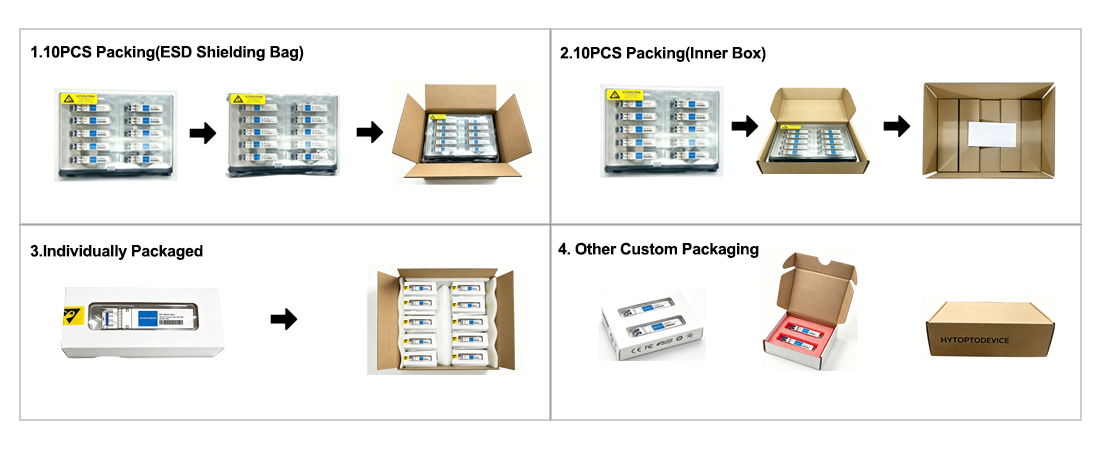
ESD Protection & Fast Shipping: Every module is sealed in an ESD-safe bag and ready for same-day dispatch from stock.
-
Custom OEM & Branding: We provide logo printing, private labeling, and custom packaging to help distributors and integrators build their brand—no factory investment required.