| NO. | Brand | Compatible P/N | Remarks |
| 1 | Cisco | SFP-25G-BXU-I | |
| 2 | Arista Networks | SFP-25G-BXU-I | |
| 3 | Brocade | 25G-SFP28-BXU-I | |
| 4 | HPE Aruba | S1C98A | |
| 5 | Juniper | JNP-SFP-25G-BX23I | |
| 6 | Dell | SFP-25GBX-U-10I | |
| 7 | Huawei | SFP-25G-BXU1-I | |
| 8 | H3C | SFP-25G-LX-SM1270-BIDI | |
| 9 | NVIDIA(Mellanox) | MMA2L20-BXU-I |
| Cisco Compatible | SFP-25G-BXU-I | Vendor Name | HYTOPTODEVICE |
| Form Factor | SFP28 | Max Data Rate | 25Gbps |
| Wavelength | Tx1270Rx1330 | Max Distance | 10km |
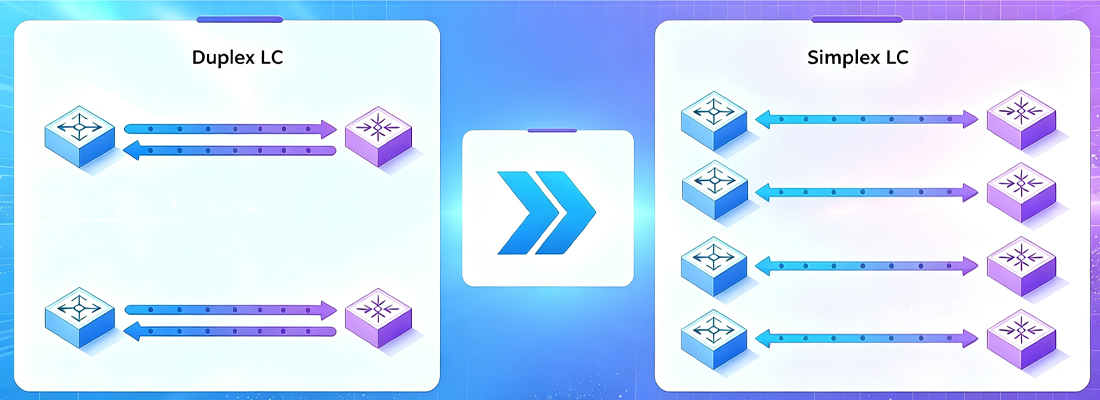
| Connector | Simplex LC(UPC) | Transmitter Type | 1270nm DFB |
| Cable Type | SMF | Receiver Type | Pin |
| TX Power | -4~+4dBm | Receiver Sensitivity | < -13.3dBm |
| Max. Power Consumption | ≤1W | DOM/DDM | Fully Supported |
| Protocols | SFP28 MSA, CPRI, eCPRI | Operation Temperature | -40 to 85°C (-40 to 185°F) |
Exclusive SMF Compatibility: Designed strictly for OS2 Single-Mode Fiber (SMF) with LC/UPC polished connectors. Multi-mode fiber (MMF) is not compatible and will cause high insertion loss or complete link failure.
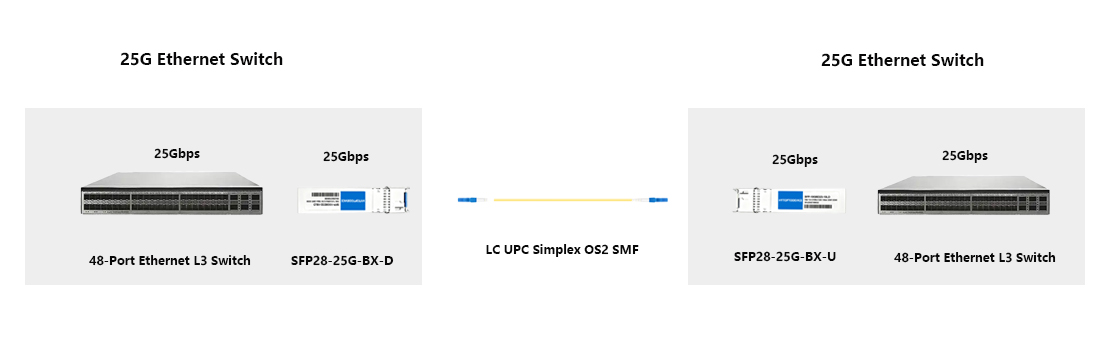
Mandatory Tx/Rx Wavelength Pairing: BiDi technology transmits and receives over a single fiber strand using two distinct wavelengths. Modules must be deployed in complementary pairs:
Side A: Tx 1270nm-nm / Rx 1330nm-nm
Note: Connecting matching wavelengths (e.g., 1270nm to 1270nm) will result in a total link down.
Hot-Pluggable Support: Fully supports hot-swapping—can be safely inserted or removed while host equipment (switches/routers) is powered on without interrupting non-related port traffic.
Latch Mechanism: Always unlock and use the integrated bail latch to remove the transceiver. Never pull directly on the fiber cable or the body of the optical module to prevent internal optical alignment damage.
ESD Precautions: Practice strict Electrostatic Discharge (ESD) measures (e.g., grounding wrist straps) during field installation to protect sensitive high-speed ICs.
Wide Operating Temperature Range: Rated for harsh industrial environments from -40°C to +85°C (-40°F to 185°F).
Enclosure Airflow: Ensure industrial enclosures or outdoor cabinets provide sufficient airflow or heat dissipation to keep the module’s real-time internal temperature within operating limits.
Cleanliness Standard: Inspect and clean all LC fiber end-faces with a 1.25mm fiber cleaning pen or lint-free wipes before insertion. Microscopic dust is the leading cause of high attenuation and port degradation.
Dust Protection: Always re-install dust caps on transceiver optical ports and fiber patch cables whenever they are disconnected.
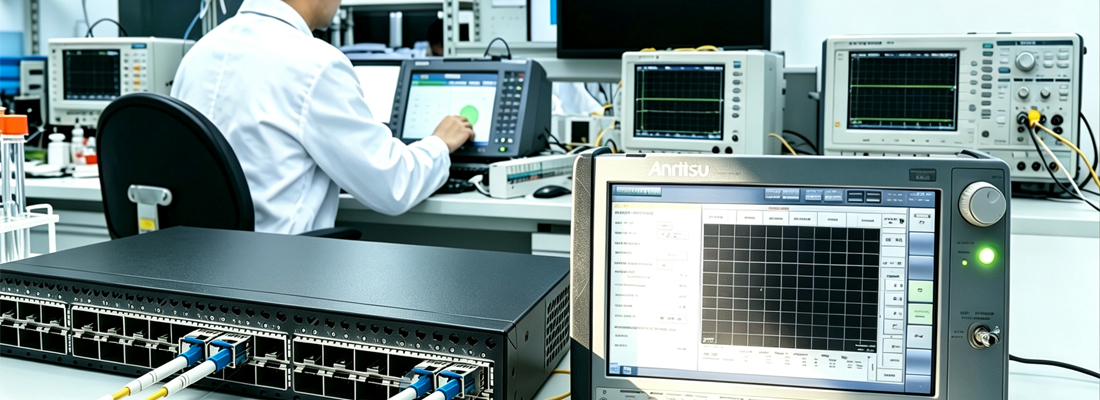
Short-Distance Safeguard (<2km): For short-reach testing in labs, check Digital Optical Monitoring (DOM) receiver power. Use an inline optical attenuator if incoming power exceeds the maximum RX overload threshold to prevent photodiode damage.
Port Speed & FEC Matching: Ensure the host port speed is manually set to 25G. Verify that RS-FEC (IEEE 802.3 Reed-Solomon Forward Error Correction) is enabled consistently on both endpoints, as 25G BiDi links typically require FEC for error-free performance.
DOM Diagnostics: Leverage real-time Digital Optical Monitoring (DOM/DDM) via your switch OS to track critical operating parameters:
Tx/Rx Optical Power levels
Module Operating Temperature
Laser Bias Current & Supply Voltage


Why Network Engineers Choose HYTOPTODEVICE
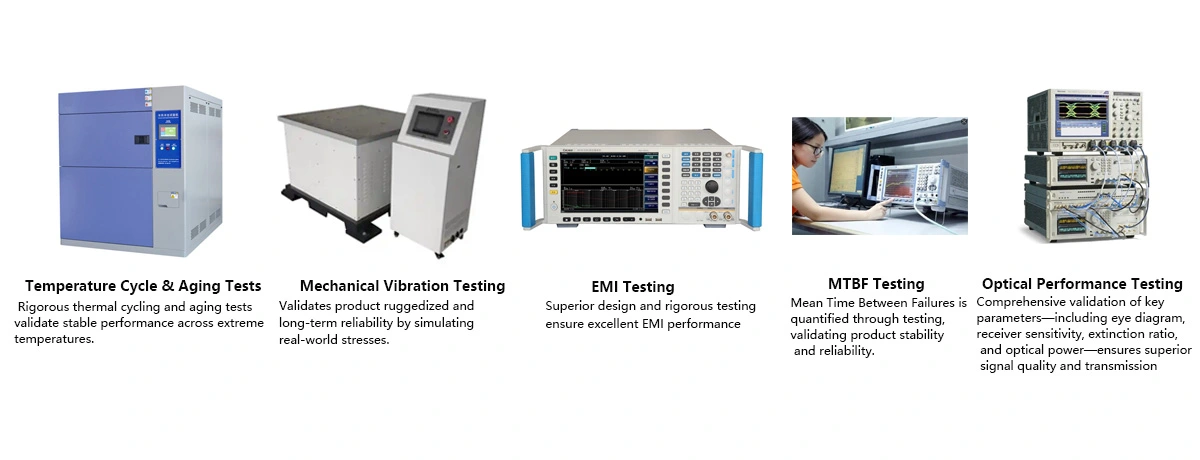
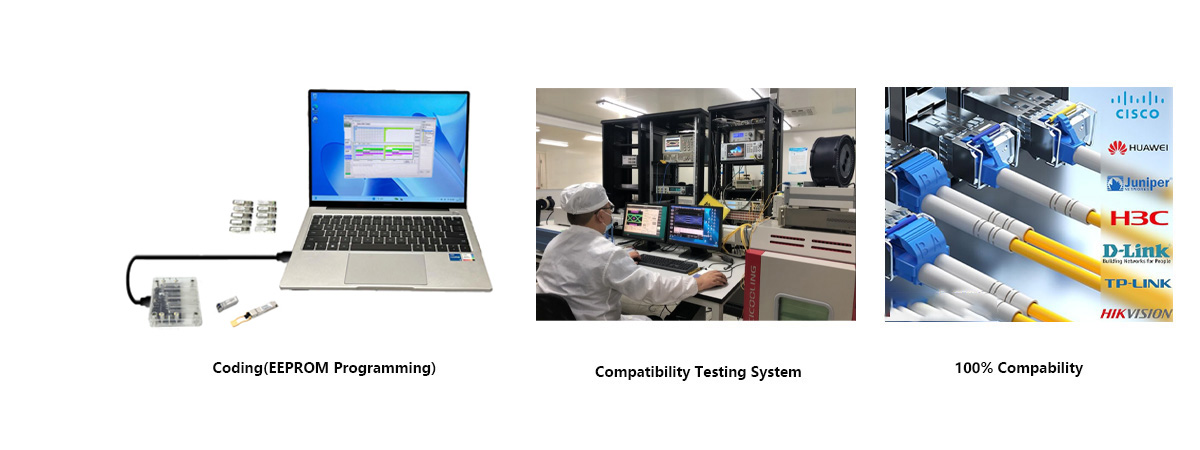
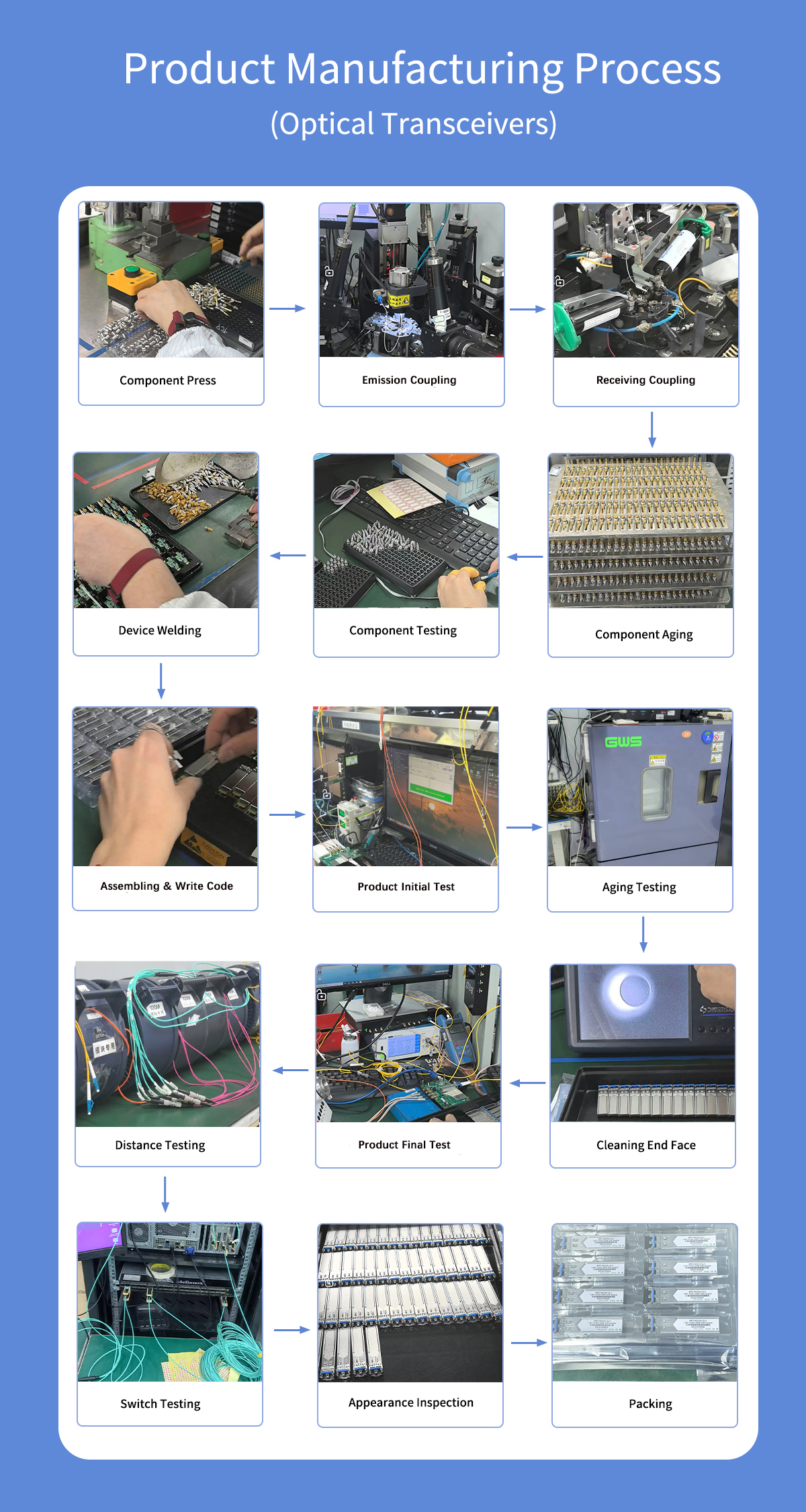
HYTOPTODEVICE has supplied over 5000,000 optical transceiver modules to data centers, ISPs, and enterprise networks across 100+ countries since 2011. Every module undergoes a 72-hour burn-in test and full DDM/DOM validation before shipment.
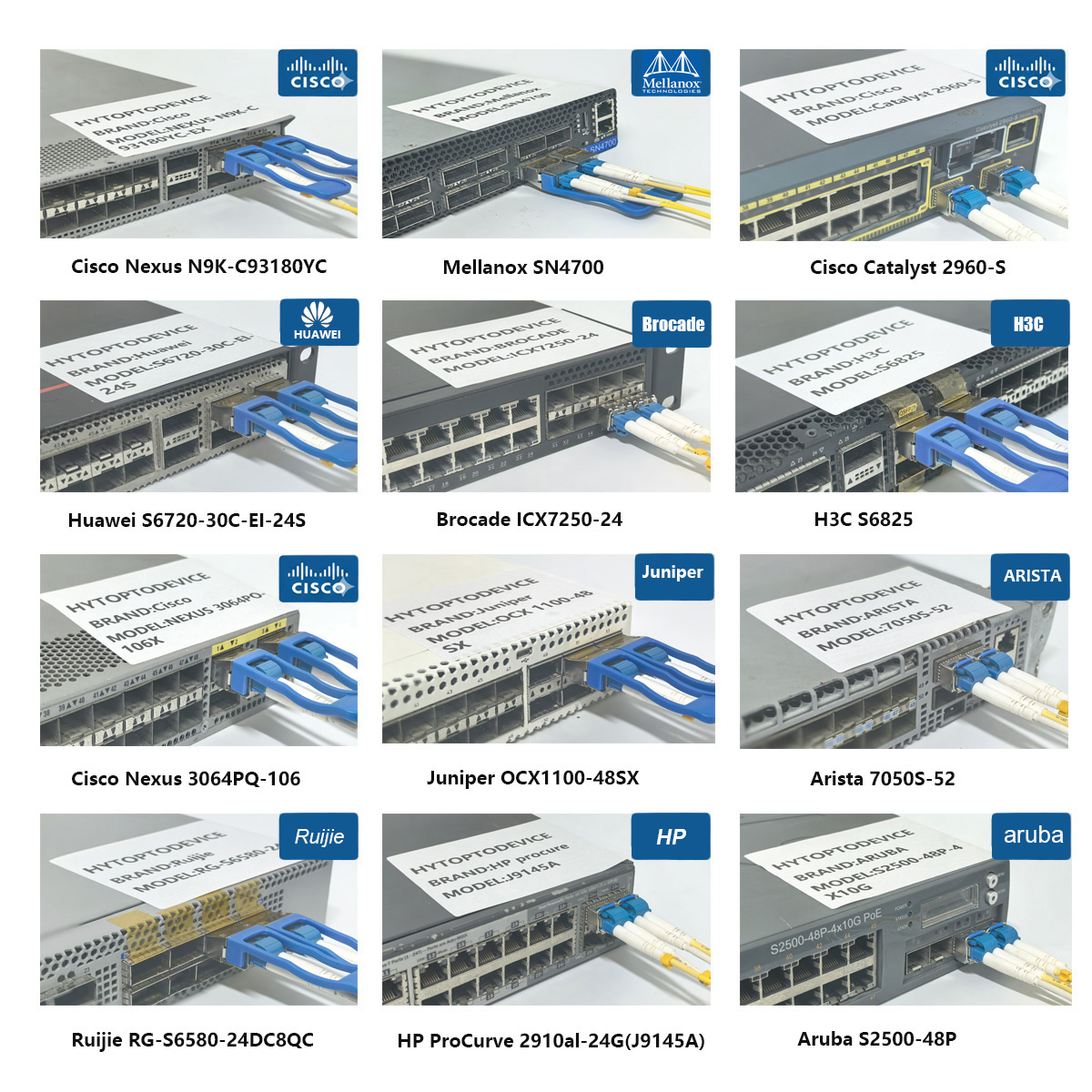
“Phenomenal performance. We deployed 200 HYTOPTODEVICE SFP modules to replace Cisco OEMs in our backbone network. Result? Zero compatibility issues and a 60% reduction in costs. Highly recommended for mission-critical networks."— Senior Network Engineer, Regional Telecom, Australia
Quality Certification & Compliance
At HYTOPTODEVICE, our quality commitment is backed by industry-standard validations. From fiber optical transceiver manufacturing to final visual inspection, from IQC、IPQC、FQC to OQC, our processes ensure global compliance and reliability.
We adhere to rigorous standards for our SFP modules and network solutions:
ISO 9001: Certified quality management and production consistency.
CE & FCC: Fully compliant for seamless Global Market Access.
RoHS: Committed to environmental responsibility and hazardous material control.
Proven Reliability: Rigorous testing to reduce compliance risk and ensure safety.
Certified Quality. Global Standards. Guaranteed Performance.