| NO. | Brand | Compatible P/N | Transceiver Type |
| 1 | Cisco | Q56-200-CU3M | |
| 2 | Arista Networks | CAB-Q56-Q56-3M | |
| 3 | Dell | DAC-Q56-200G-3M | |
| 4 | NVIDIA/Mellanox | MCP1650-V003E26 | |
| 5 | H3C | QSFP56-200G-D-DAC-3M | |
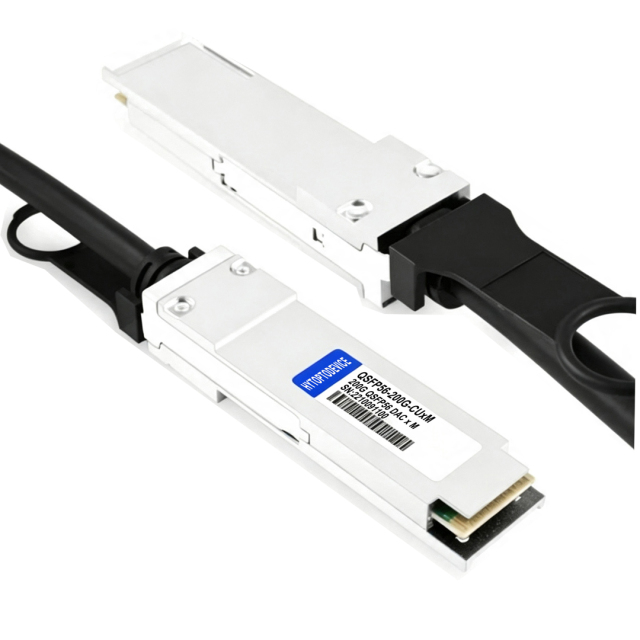
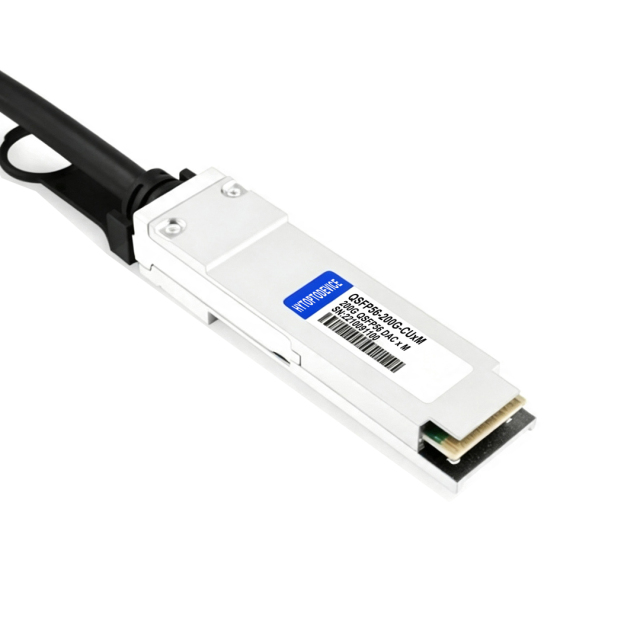
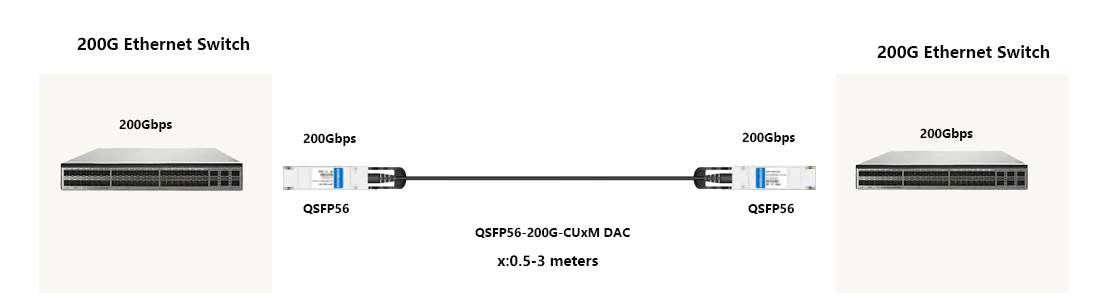
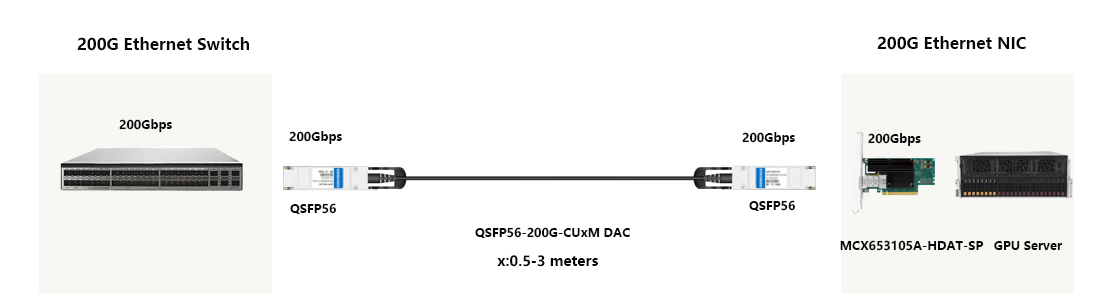
| 6 | Generic | QSFP56-200G-CUxM |
| Cisco Compatible |
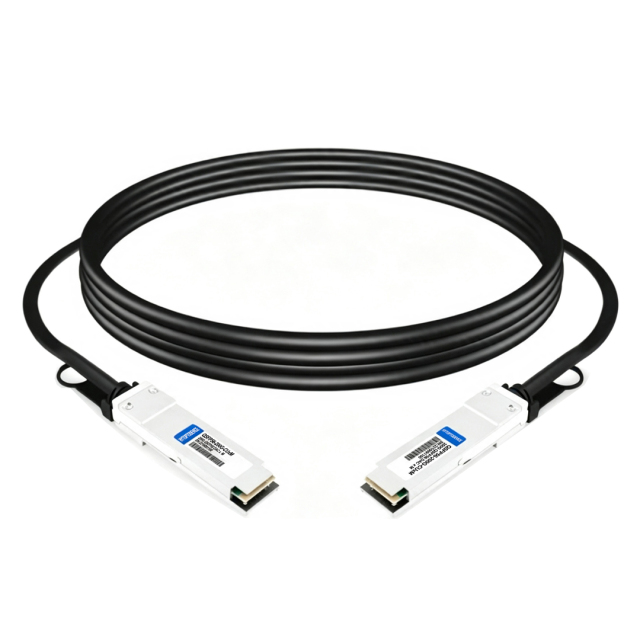
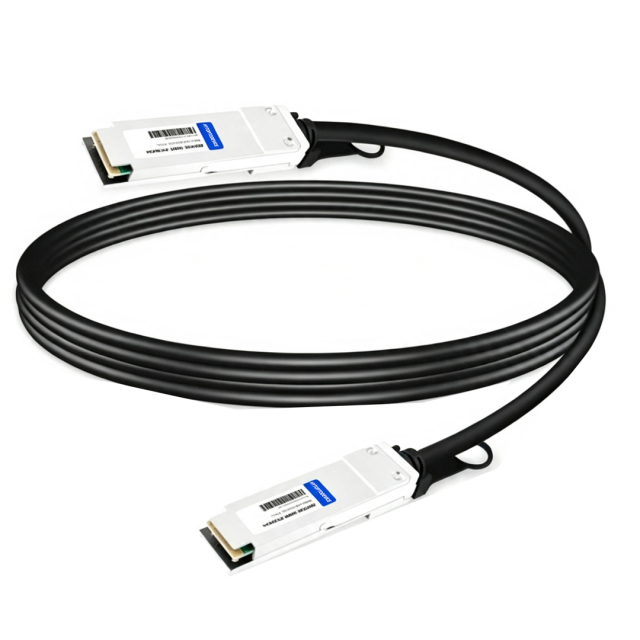
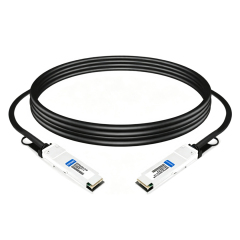
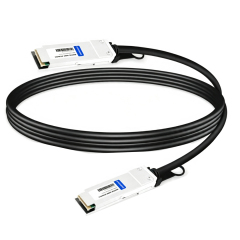
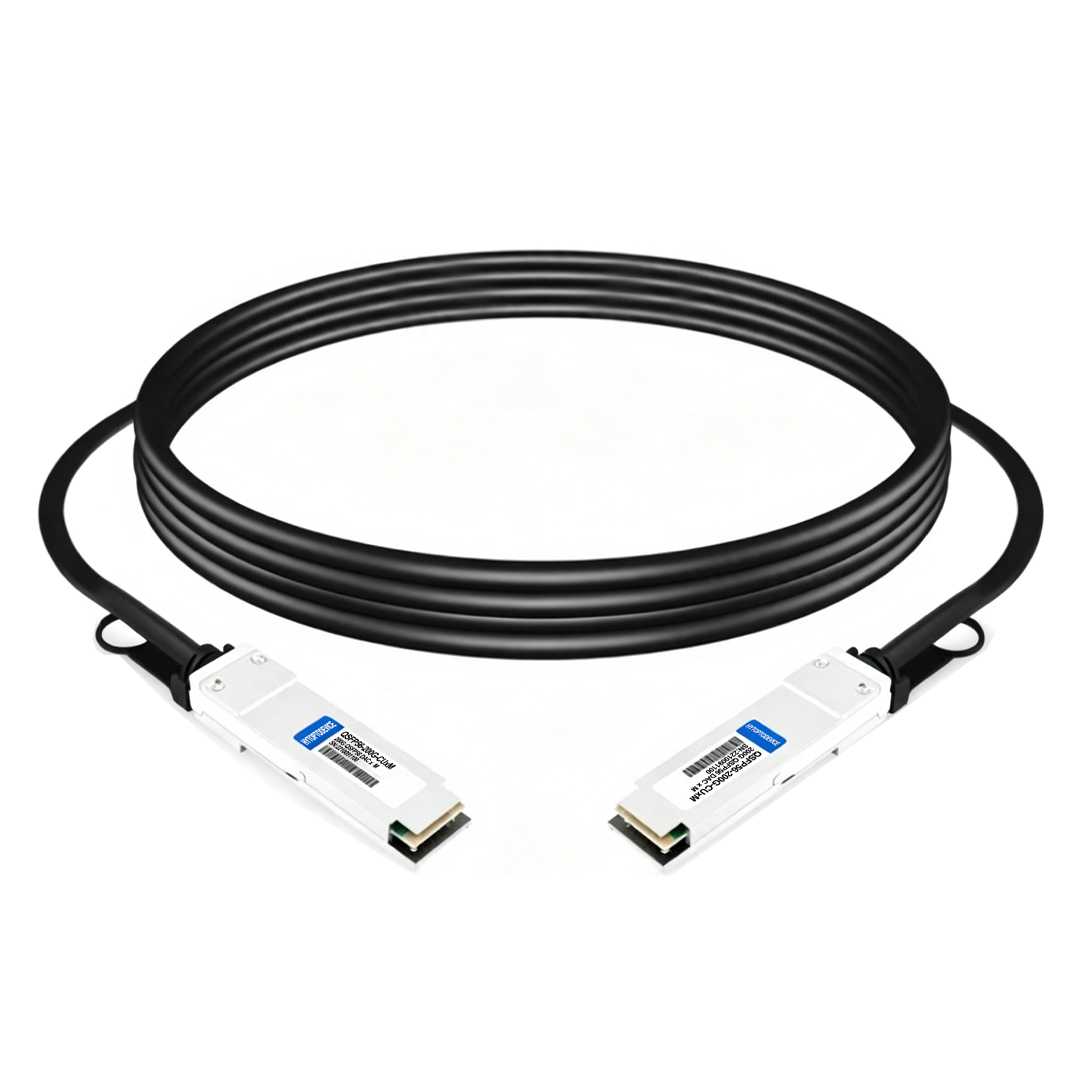
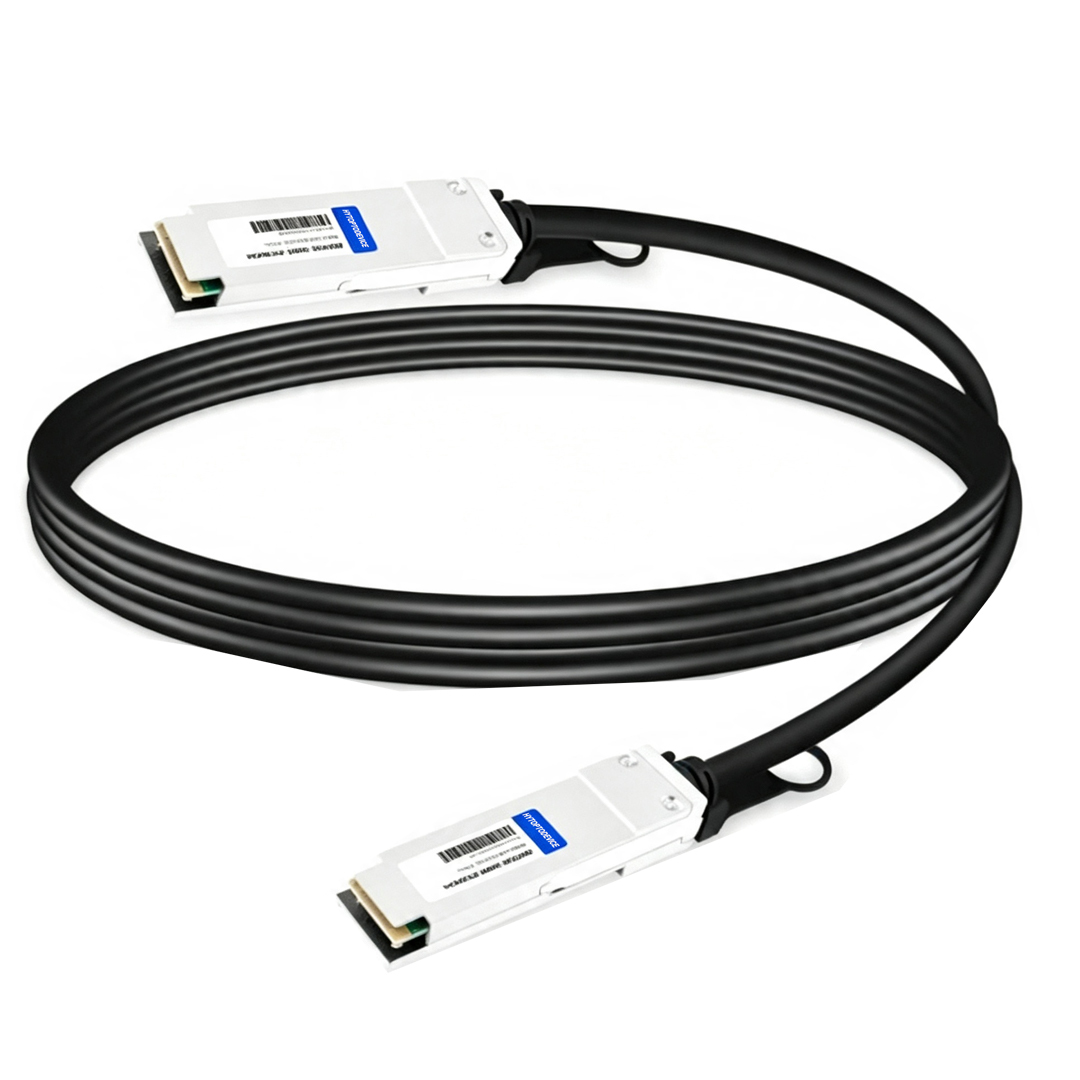
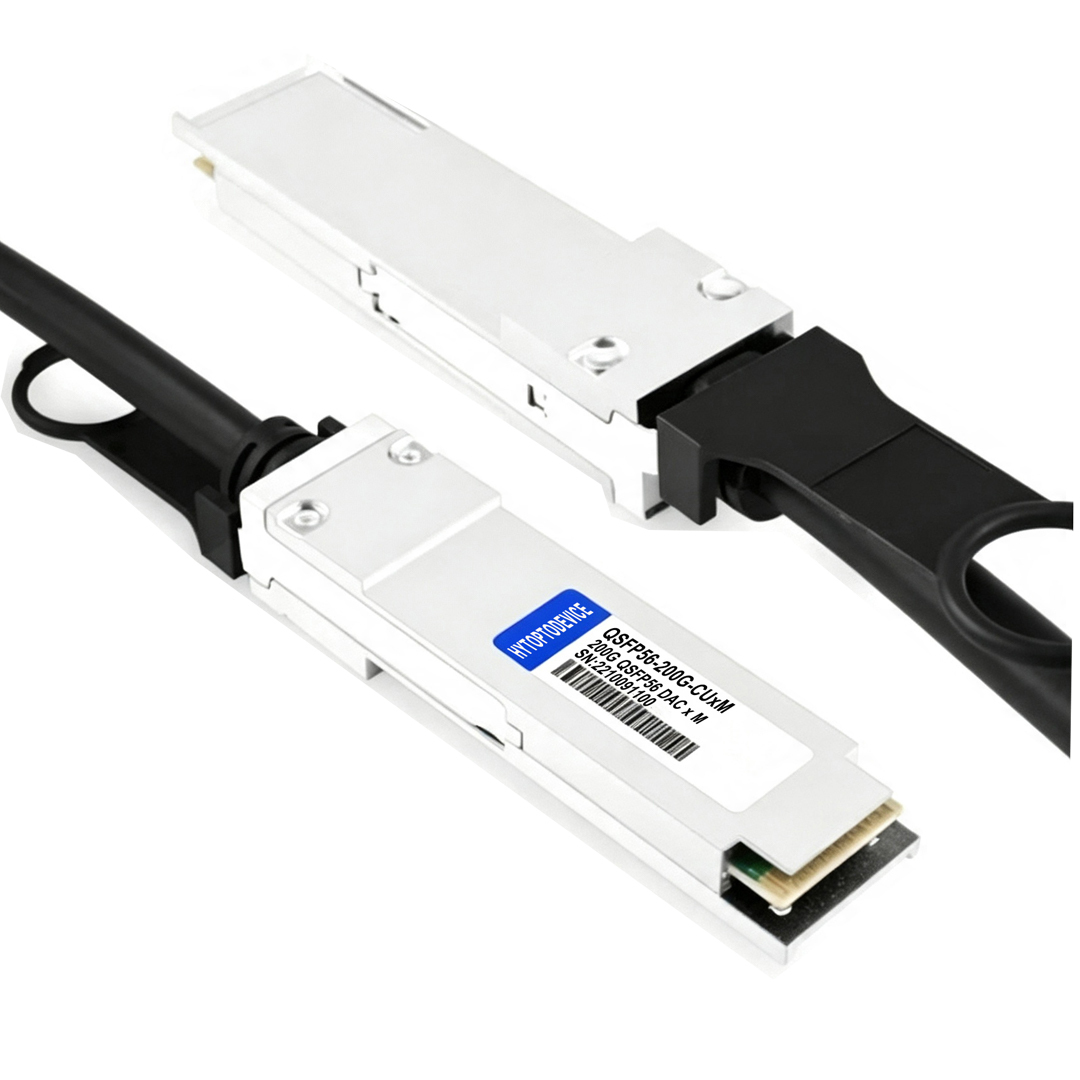
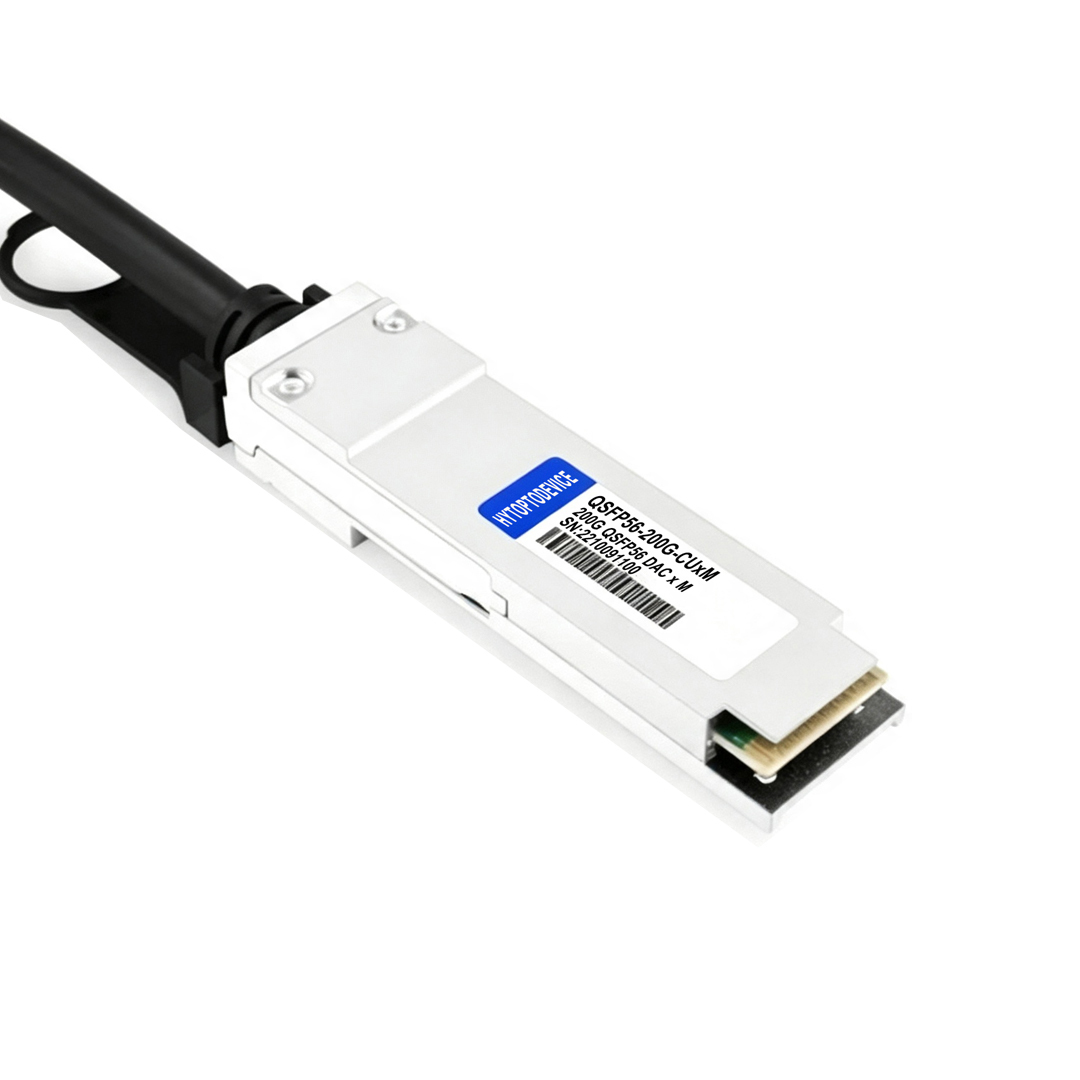
Q56-200-CU3M
|
Vendor Name | HYTOPTODEVICE |
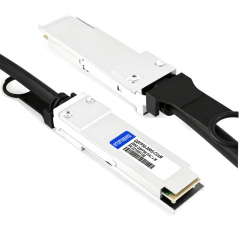
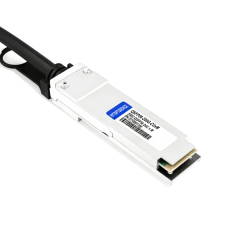
| Connector | QSFP56 to QSFP56 | Max Data Rate | 200Gbps |
| Cable Length | 3m (10ft) | Wire AWG | AWG 26 |
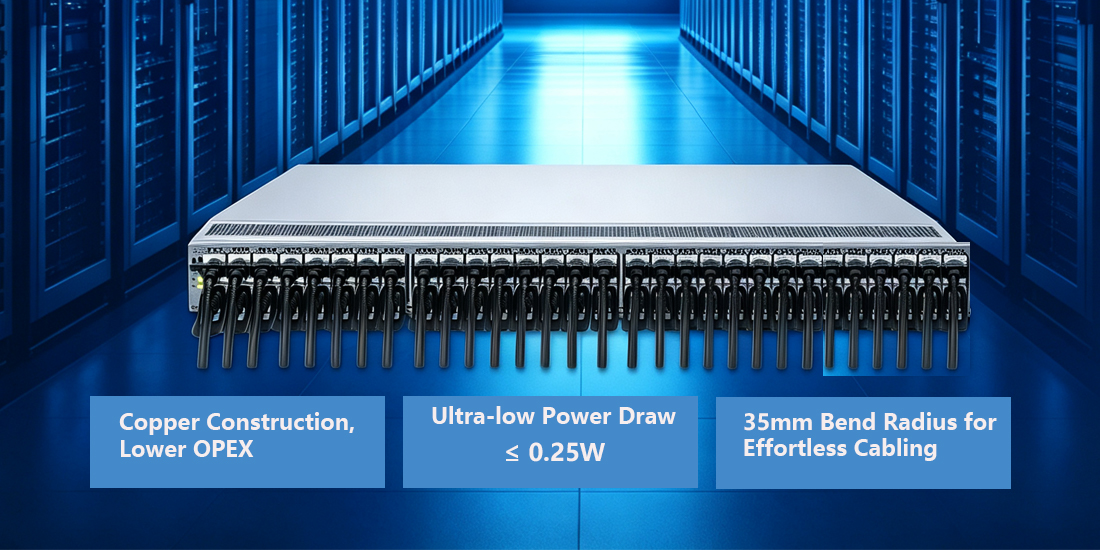
| Cable Type | Passive Twinax | Power Consumption | ≤0.25W |
| Media | Copper | Operation Temperature | 0~ 70 °C (32 to 158°F) |
| Jacket Material | PVC(OFNR) | Protocols | IEEE802.3cd, SFF-8436 |
| Minimum Bend Radius | 35mm | Application | 200G Ethernet and InfiniBand HDR |
Usage Guidelines & Best Practices
Mandatory Port Setting: Host QSFP56 port must enable 200GBASE-CR4 mode; link negotiation failure will happen if forced to optical mode.
Cabling Requirements: Do not exceed the minimum 35mm bend radius, avoid sharp folding, heavy extrusion or long-term tension on the cable assembly.
Port Installation Standard: Works only with standard QSFP56 200G ports; cannot be inserted into QSFP+ or SFP28 slots. Disable the host’s third-party transceiver lock policy in advance if required.
Maintenance Specification: Hot‑swap supported, grip the pull tab instead of pulling the cable body during plug/unplug to prevent internal conductor damage.
Operating Environment: This commercial-grade cable operates reliably within 0℃‑70℃; avoid installation beside high-heat power modules.
For detailed operation instructions, please refer to the User Guide.
Full Compatibility List & Supported Devices
Built on universal MSA open standards, this 200G QSFP56 passive copper twinax cable can interoperate with mainstream network brands including Arista, H3C, Juniper, Dell, NVIDIA Mellanox and more, for mixed-vendor rack stacking and server fabric expansion.



Q1: Will this 200G breakout cable work with my Cisco, Arista, or Juniper switches? A1: It depends on the EEPROM coding. Our HYTOPTODEVICE 200G breakout cable supports single-vendor or dual-vendor coding to match your switch brands. Without proper coding, some switches will reject the module; we provide custom coding service to achieve plug-and-play interoperability for multi-vendor environments.
Q2: Will using a third-party DAC cable void my network hardware manufacturer's warranty? A2: It will not automatically void your switch warranty. MSA-compliant third-party DACs like HYTOPTODEVICE 200G passive copper twinax cables follow standard electrical specs. Hardware vendors only deny warranty when cable defects directly cause permanent damage to ports.
Q3: Are these cables compliant with industry standards? A3: Yes. Our HYTOPTODEVICE 200G breakout DAC cables follow SFF-8636 and IEEE 802.3cd standards. Every cable is tested for signal integrity parameters to meet MSA requirements before shipment.
Q4: What modulation technology does a 200G QSFP56 DAC cable use? A4: It adopts PAM4 modulation. PAM4 encodes 2 bits per symbol to deliver 50G per lane, four lanes combine to reach 200G, which is the standard modulation scheme for QSFP56 passive copper twinax interconnects from HYTOPTODEVICE.
Q5: Is Forward Error Correction (FEC) required for 200G DAC connections? A5: FEC is not mandatory for short passive DAC links within rated length. HYTOPTODEVICE 200G breakout cables maintain excellent signal integrity for short-reach runs. FEC can be enabled optionally on switches to add signal margin for longer passive runs near the distance limit.
Q6: What kind of latching mechanism do these connectors use? A6: They use standard bail-clasp pull-tab latch. This is the mainstream latching design for QSFP56 and SFP28 connectors on HYTOPTODEVICE breakout cables, allowing easy, safe insertion and removal without tools.
Q7: Can I run this cable between two different server racks? A7: Generally not recommended. Passive copper twinax breakout cables have strict distance limits for 200G PAM4 signals. They are designed for intra-rack connections; cross-rack runs usually need AOC fiber cables instead.
Q8: Are these 200G cables hot-swappable? A8: Yes, they support hot swap. HYTOPTODEVICE 200G breakout DAC cables follow the QSFP56 hot-swap specification. You can plug or unplug the cable while the switch remains powered on without damaging ports.
Q9: What kind of warranty comes with these cables? A9: HYTOPTODEVICE provides a 5-year warranty for this 200G breakout passive copper twinax cable. The warranty covers manufacturing defects on signal performance, connectors and shielding under normal operating conditions.
Q10: Can I order custom lengths or custom pin configurations? A10: Custom lengths are available upon request. Custom pinouts need technical validation first; our HYTOPTODEVICE engineering team can review your requirements and offer tailored OEM solutions for bulk orders.
Q11: Do these cables meet environmental safety standards? A11: Yes. All our HYTOPTODEVICE 200G breakout DAC cables pass RoHS and REACH compliance testing. No restricted hazardous materials are used in the jacket, copper conductors and shielding components.
Q12: Is it safe to use tight plastic zip-ties for cable management with 200G copper cables? A12: Not recommended. Over-tight zip-ties squeeze the twinax pairs and change impedance, introducing insertion loss and crosstalk. We suggest velcro cable ties for routing HYTOPTODEVICE high-speed copper breakout cables.
Q13: Can I use compressed air to clear out dust from the connector pins? A13: It can be used with caution. Keep the compressed air can upright and maintain a proper distance to avoid propellant liquid spraying onto pins. HYTOPTODEVICE recommends dry fiber cleaning sticks as the preferred cleaning method for QSFP56/SFP28 contacts.
Q14: What causes port flapping on high-speed copper links? A14: Port flapping usually stems from poor signal integrity, loose connector contact, over-bending or crushed twinax wiring. Improper switch FEC settings and incompatible EEPROM coding can also trigger flapping. HYTOPTODEVICE tests each cable strictly to reduce such risks.
Q15: Can a damaged high-speed twinax cable be repaired or spliced? A15: No, splicing cannot restore the controlled impedance of twinax pairs. Once the copper conductors or shielding are damaged, signal integrity will fail. HYTOPTODEVICE recommends replacing the damaged passive copper twinax breakout cable directly.
Packaging & Custom OEM Solutions
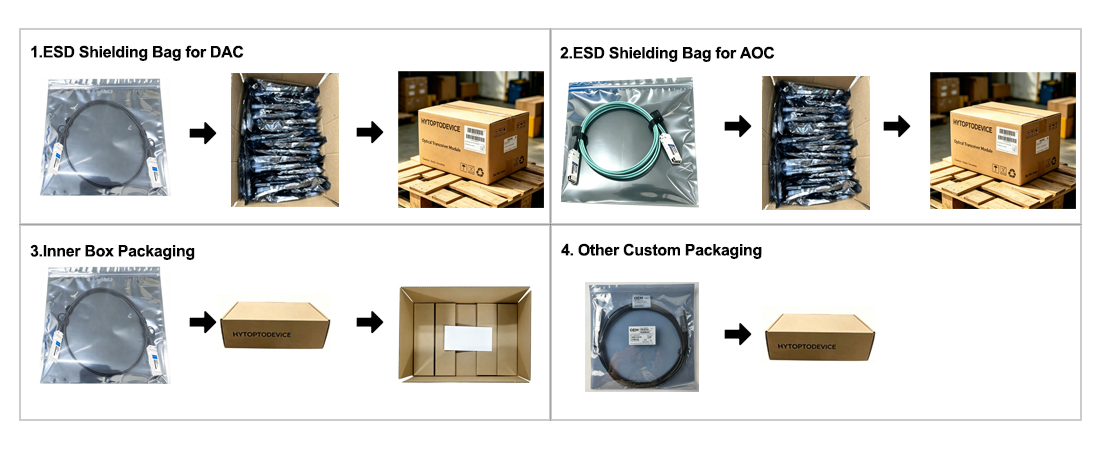
ESD Protection & Fast Shipping: Every transceiver is sealed in an ESD-safe bag and ready for same-day dispatch from stock.
Custom OEM & Branding: We provide logo printing, private labeling, and custom packaging to help distributors and integrators build their brand—no factory investment required.
Why Network Engineers Choose HYTOPTODEVICE
HYTOPTODEVICE has supplied over 5000,000 optical transceiver modules to data centers, ISPs, and enterprise networks across 100+ countries since 2011. Every module undergoes a 72-hour burn-in test and full DDM/DOM validation before shipment.
“Phenomenal performance. We deployed 200 HYTOPTODEVICE SFP modules to replace Cisco OEMs in our backbone network. Result? Zero compatibility issues and a 60% reduction in costs. Highly recommended for mission-critical networks."— Senior Network Engineer, Regional Telecom, Australia
Quality Certification & Compliance
At HYTOPTODEVICE, our quality commitment is backed by industry-standard validations. From fiber optical transceiver manufacturing to final visual inspection, from IQC、IPQC、FQC to OQC, our processes ensure global compliance and reliability.
We adhere to rigorous standards for our SFP modules and network solutions:
ISO 9001: Certified quality management and production consistency.
CE & FCC: Fully compliant for seamless Global Market Access.
RoHS: Committed to environmental responsibility and hazardous material control.
Proven Reliability: Rigorous testing to reduce compliance risk and ensure safety.
Certified Quality. Global Standards. Guaranteed Performance.