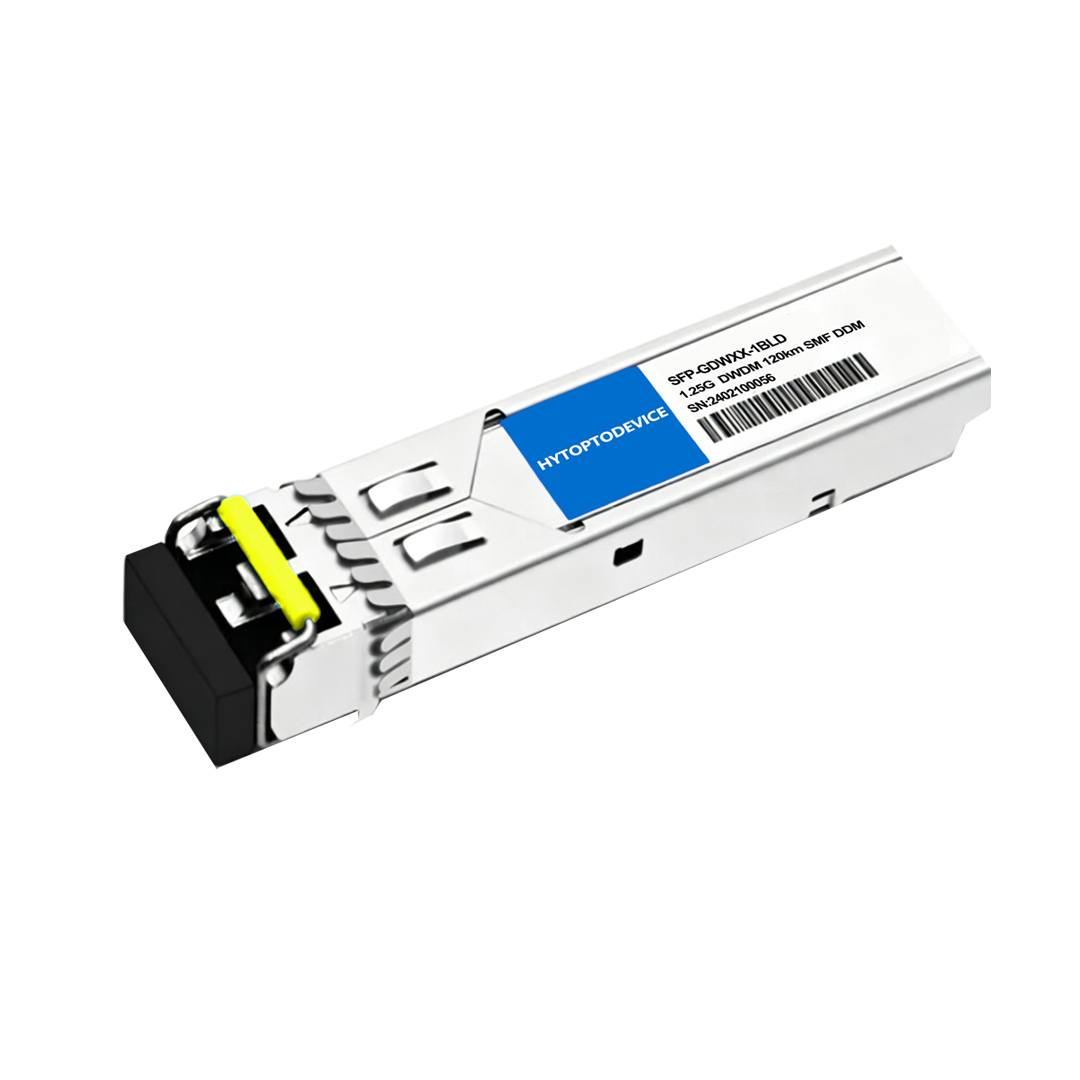
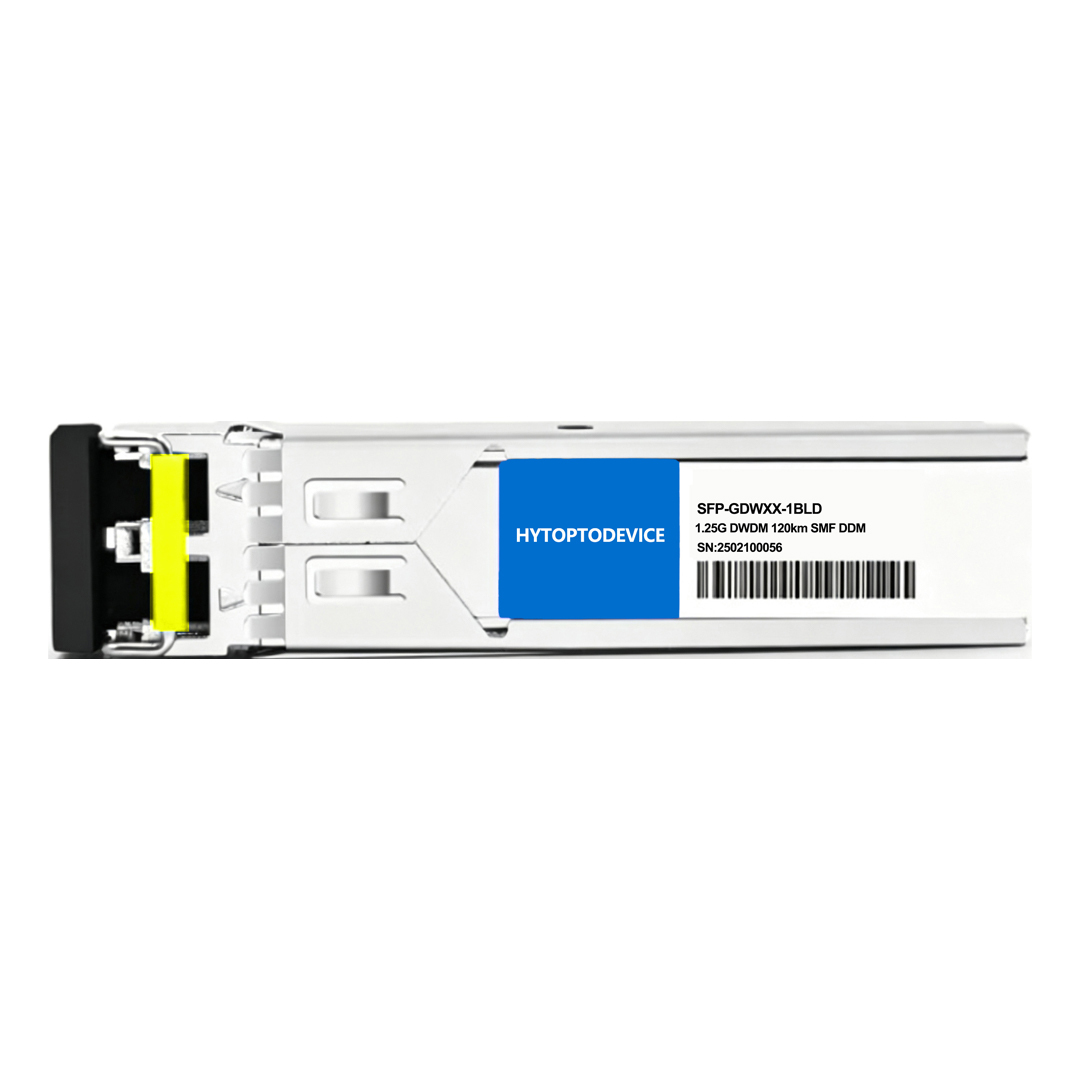
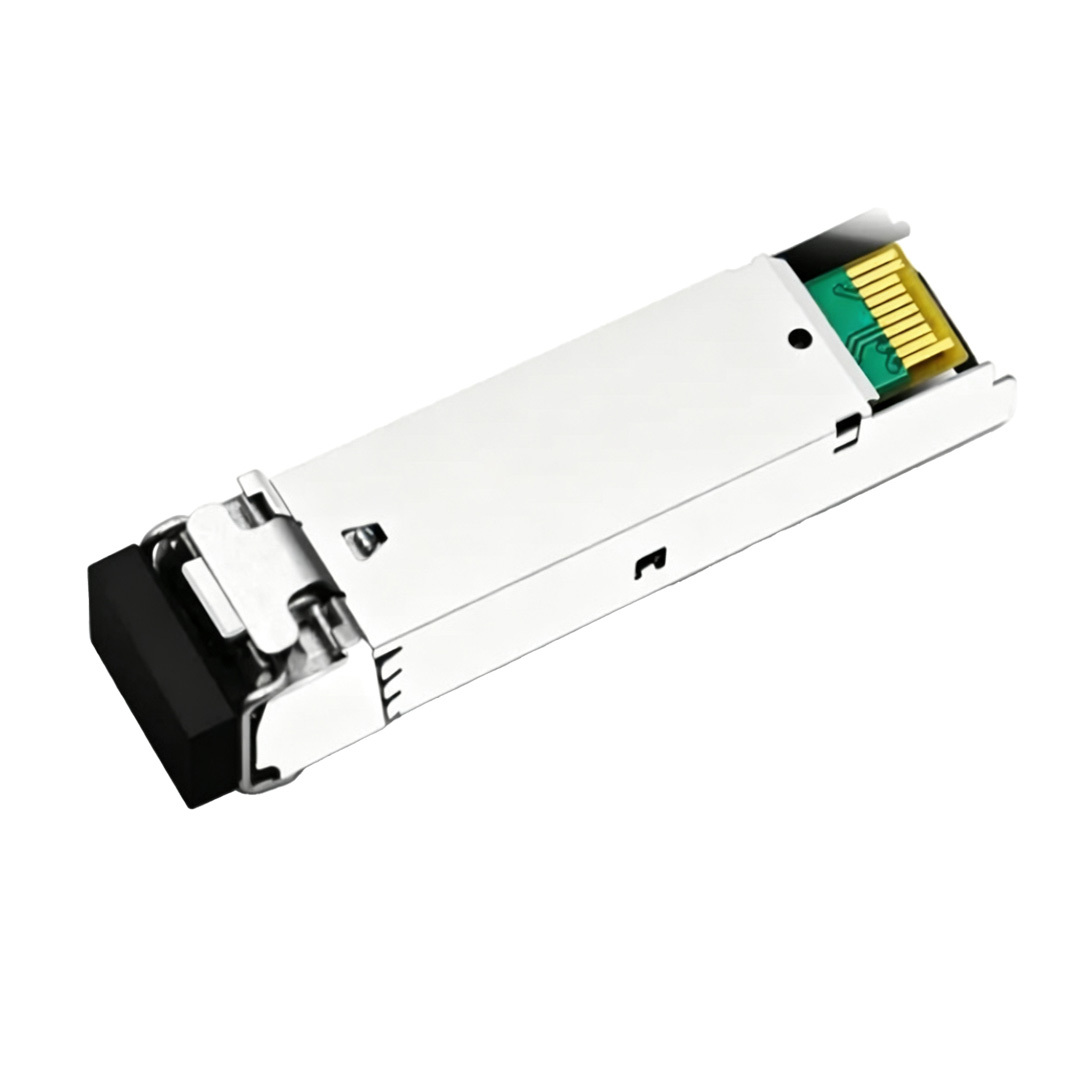
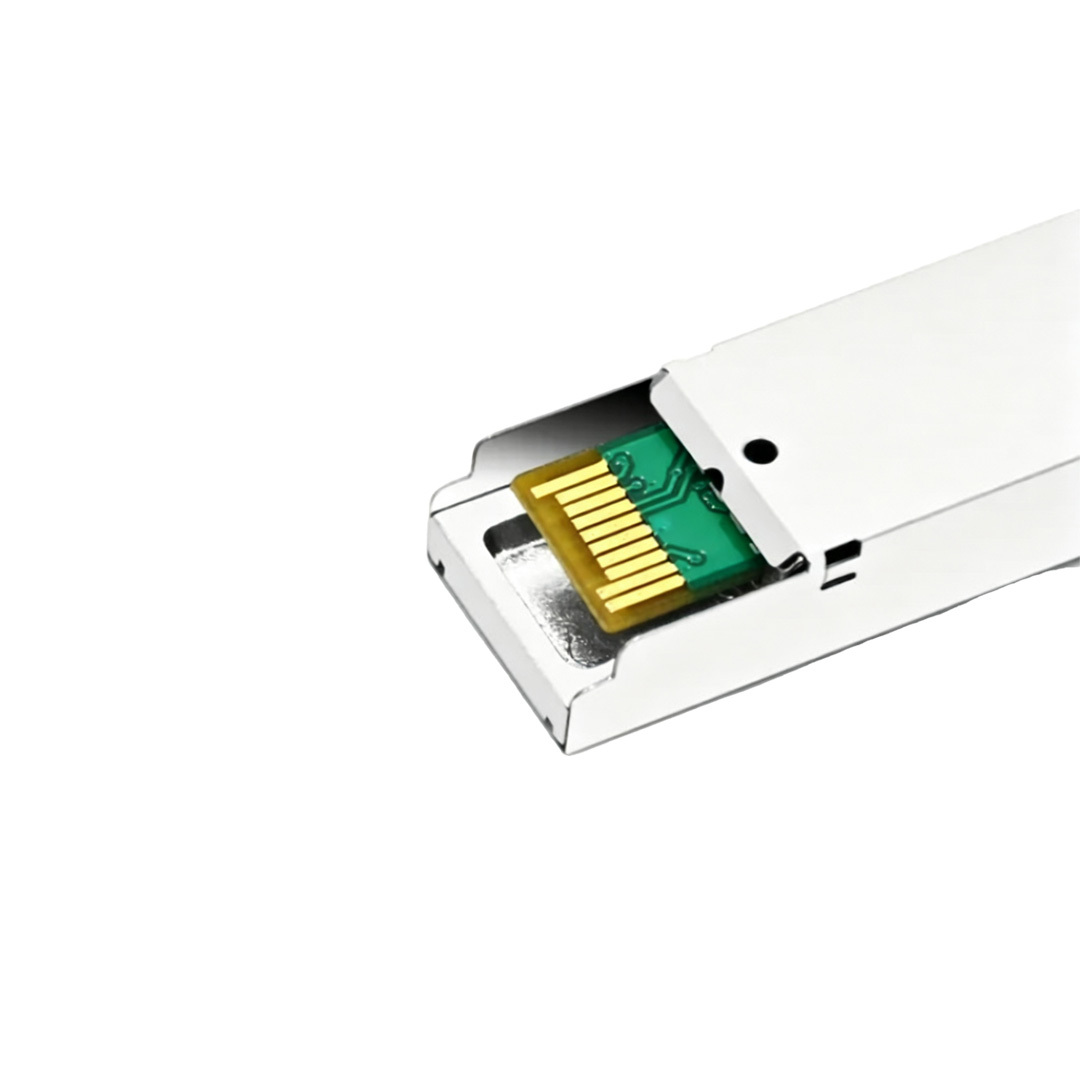
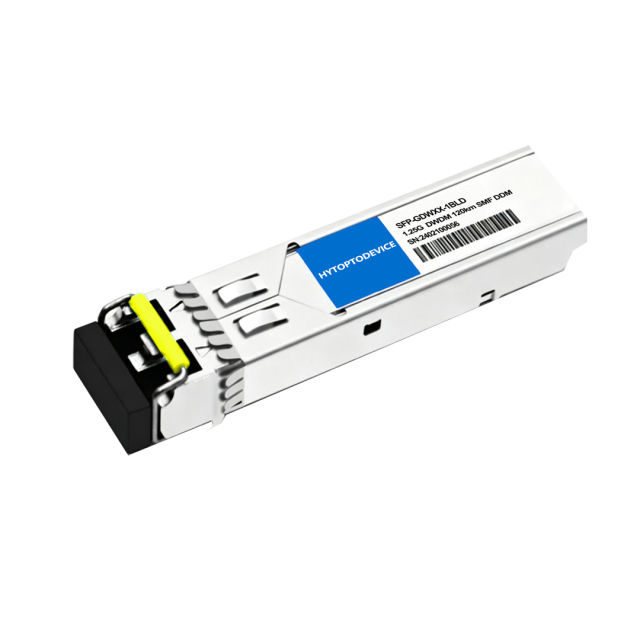
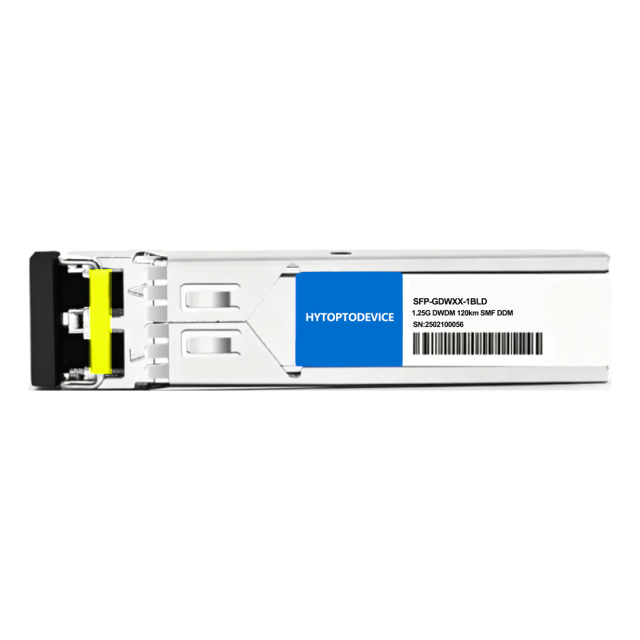
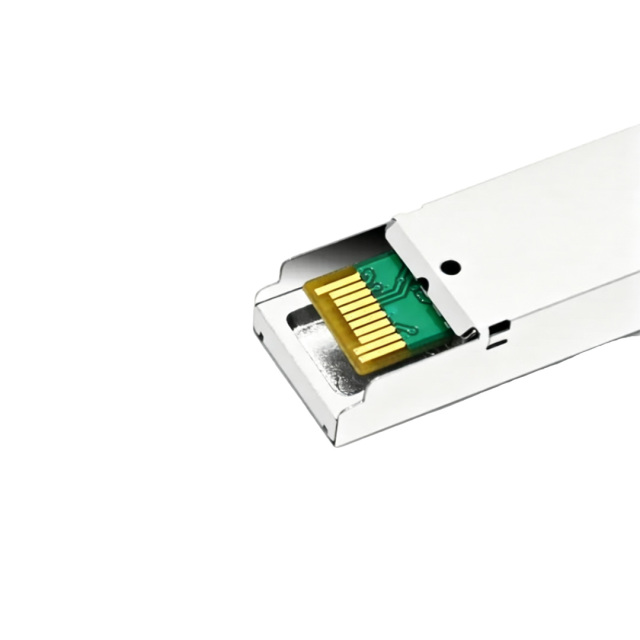
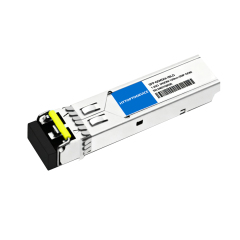
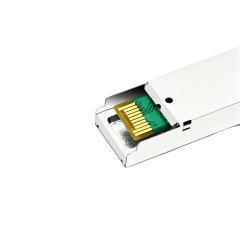
A: Most generic DWDM pluggable transceivers lack integrated physical optical attenuation hardware and mechanical over-power protection structures, relying purely on external network planning and discrete attenuators to prevent signal overload. In contrast, our HYTOPTODEVICE C54 1.25G pluggable transceiver adds optimized circuit-level protection logic for the APD receiver. This upgraded design complements on-site attenuation deployment rules, delivering dual safety protection for bulk DWDM networking and long-haul transmission engineering.
Q2: What network issues will occur if the received optical power approaches the APD receiver threshold?
A: If the incoming optical power gradually nears the APD receiver’s sensitivity threshold, the bit error rate will rise significantly. This triggers common network anomalies including data frame loss, unstable intermittent link flapping, and even full signal LOS (Loss of Signal). Our factory-calibrated C54 pluggable transceiver reserves sufficient power tolerance margin to avoid such threshold-related faults, ensuring stable operation for 120km long-haul DWDM links.
Q3: Are Dispersion Compensation Modules (DCMs) mandatory for 1.25G 120km DWDM long-distance links?
A: No extra DCM dispersion compensation modules are required for standard 120km transmission of our C54 DWDM pluggable transceiver. The module adopts optimized optical path design and wavelength dispersion suppression technology, which can offset conventional fiber dispersion on G.652.D single-mode fiber. It supports stable error-free transmission without additional DCM accessories, simplifying on-site engineering deployment and reducing procurement costs.
Q4: How stable is the working wavelength of this C54 pluggable transceiver under extreme temperature fluctuations?
A: Equipped with high-precision industrial-grade TEC constant temperature control chips, our bulk DWDM pluggable transceiver maintains ultra-high wavelength stability within ±0.1nm in the full temperature range of 0°C to 70°C. Strict factory aging calibration ensures the 1534.25nm C54 wavelength will not drift with temperature changes, preventing DWDM channel crosstalk and guaranteeing long-term stable multiplexing operation.
Q5: What operational risks will be caused if the module wavelength deviates from standard ITU grid?
A: Wavelength drift beyond the 100GHz ITU standard grid will lead to serious adjacent channel crosstalk, signal attenuation and increased bit error rate in dense DWDM systems. In severe cases, it will cause channel congestion and complete link outage. All our C54 pluggable transceivers undergo strict wavelength calibration before delivery, ensuring 100% compliance with standard ITU grid specifications.
Q6: Does this Cisco compatible DWDM pluggable transceiver support on-site field reprogramming?
A: Yes. Our HYTOPTODEVICE C54 pluggable transceiver supports flexible on-site EEPROM firmware reprogramming. For special brand switch/router adaptation and personalized network deployment requirements, our technical team can complete on-site parameter modification and firmware upgrading, solving multi-device compatibility problems for project site deployment and bulk equipment renovation.
Q7: What is the accuracy of real-time Rx power monitoring for the built-in APD receiver of this module?
A: The APD receiver of our C54 DWDM pluggable transceiver features high-precision real-time Rx power detection, with a monitoring accuracy error controlled within ±1dBm. Ultra-accurate power data feedback supports precise network operation and maintenance judgment, helping engineers quickly locate link attenuation abnormalities and fiber fault points in long-haul DWDM networks.
Q8: Can the DDM monitoring system trigger early alarms before complete link interruption?
A: Absolutely. This pluggable transceiver’s standard DDM/DOM monitoring function supports customizable threshold early warning mechanism. It can actively trigger power, temperature and voltage abnormal alarms before link outage, realizing pre-fault prediction. It is an essential intelligent monitoring feature for 24/7 stable operation of carrier-grade DWDM bulk deployment systems.
Q9: Will the power consumption of 120km long-haul DWDM modules cause port overheating on high-density switches?
A: No overheating risk at all. Our C54 long-haul pluggable transceiver adopts optimized low-power hardware design, with overall power consumption strictly controlled below 2W. The low-heat and energy-saving design adapts to high-density switch slot deployment, effectively avoiding port overheating, equipment heat accumulation and performance degradation in dense cabinet networking scenarios.
Q10: Why are APD-type DWDM pluggable transceivers more precise and delicate than PIN-type modules?
A: APD receiver modules adopt avalanche photodiode amplification technology, with far higher receiving sensitivity and long-distance signal restoration capability than ordinary PIN receivers, making them more suitable for 120km ultra-long-haul transmission. Meanwhile, APD components have stricter requirements on optical power stability and operating environment, so they feature higher precision and stricter quality control standards than PIN-based SFPs.
Q11: Why do 120km long-haul DWDM pluggable transceivers cost more than conventional 10km/40km optical modules?
A: 120km DWDM pluggable transceivers require high-precision TEC wavelength locking, high-sensitivity APD receivers and strict ultra-long-distance transmission calibration processes. They need to withstand complex long-haul fiber attenuation, temperature changes and signal interference, with higher production thresholds, testing standards and component costs. Our factory direct sales eliminate intermediate links, providing cost-effective bulk procurement solutions for long-haul network projects.
Q12: What causes DWDM link downtime when both ends show normal Tx optical power?
A: Normal transmit power does not represent intact link transmission. Common hidden causes include excessive link attenuation, connector dirt/ damage, wavelength drift off ITU grid, DDM threshold anomalies and APD receiver failure. Our high-quality C54 pluggable transceivers support full-dimensional DDM data monitoring, which can quickly locate hidden link faults and effectively avoid unexplained network outages in engineering applications.
Why Network Engineers Choose HYTOPTODEVICE