The core principle of using Single-Fiber BiDi (Bidirectional) transceivers is understanding the "pairing" and "wavelength matching" rule. Unlike standard dual-fiber SFP Modules that use two separate fibers for transmit (Tx) and receive (Rx), BiDi SFP use a single fiber for both directions.
一、Core Principle: Why Must BIDI SFP Be Used in Pairs?
A BiDi Fiber Optic Transceivers has a single port. It uses Wavelength Division Multiplexing (WDM) technology to combine and separate the transmit and receive signals onto a single fiber by using two different wavelengths (e.g., 1310nm and 1550nm).
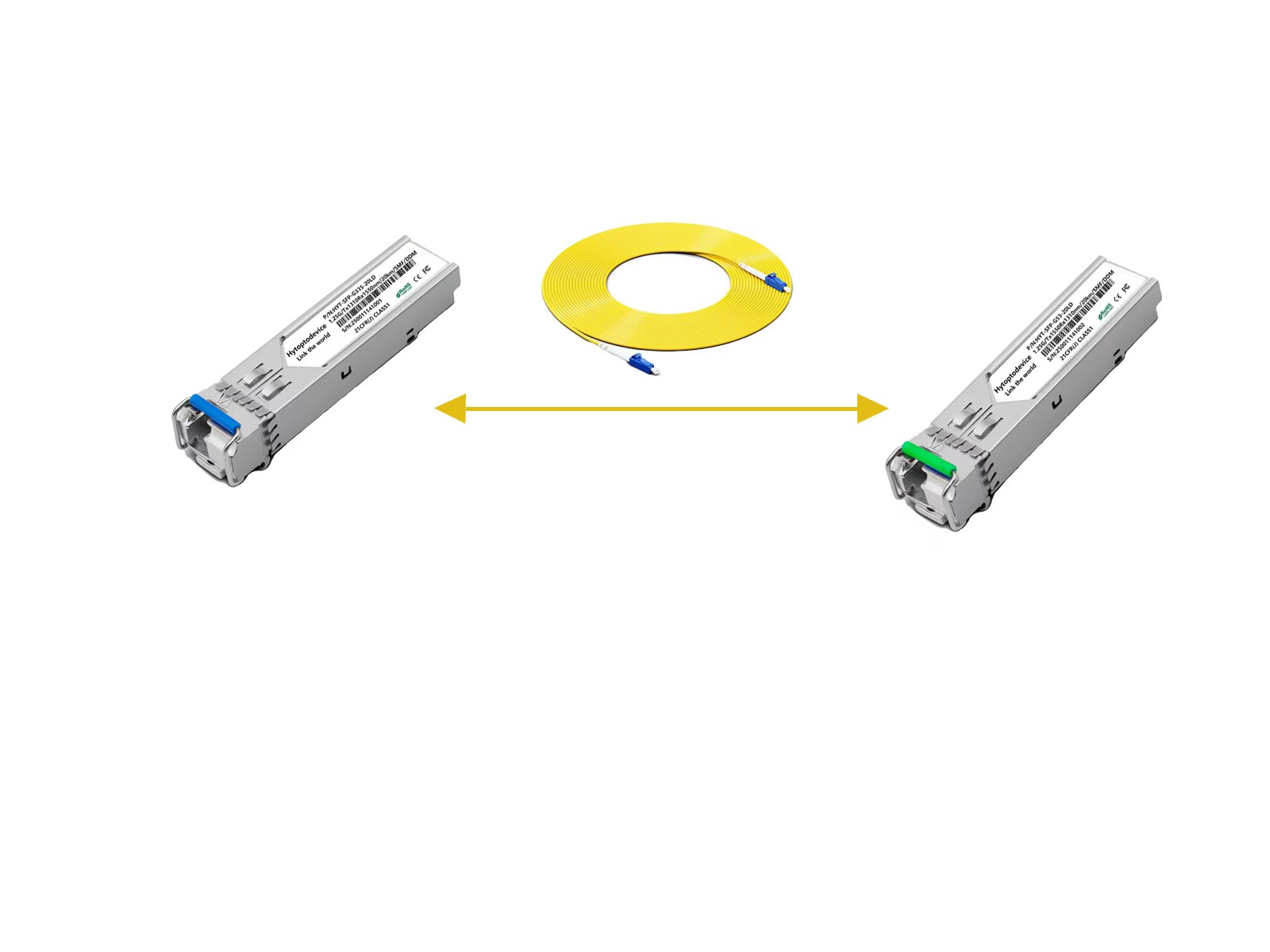
二、The Golden Rules for Correct Pairing SFP BIDI Transceivers
1.Rule 1: Wavelengths Must Be Matched
Most Common Wavelength Pairing Combinations:
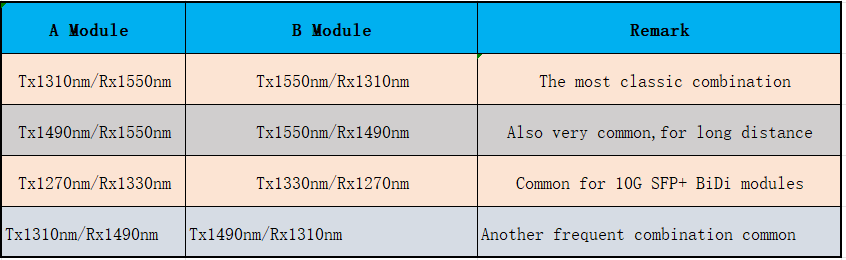
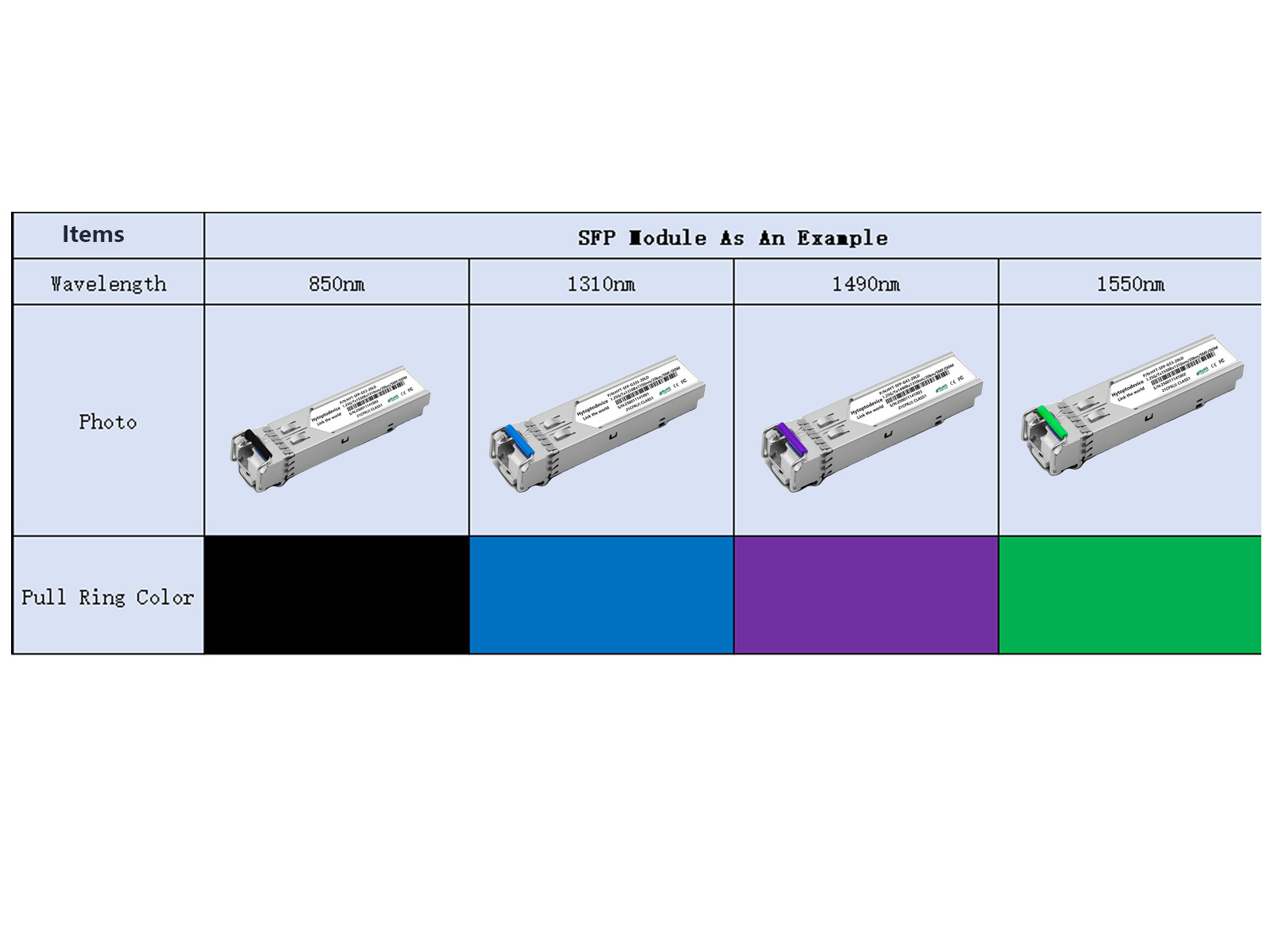
2.Rule 2: Data Rate and Form Factor Must Match
The paired transceivers must have the same data rate and physical form factor
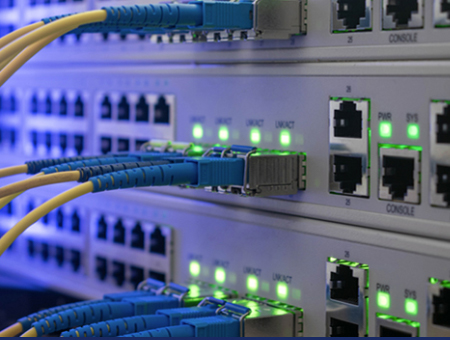
3.Rule 3: Transmission Distance Must Be Compatible
The optical transceiver's reach (e.g., 10km, 20km, 40km, 80km) must be chosen based on your actual fiber link length and loss budget. The paired fiber modules must have the same distance specification. You cannot pair a 20km module with a 40km sfp bidi module.
· The selected distance should meet or exceed your actual requirement. For a 12km link, choose 20km modules, not 10km.
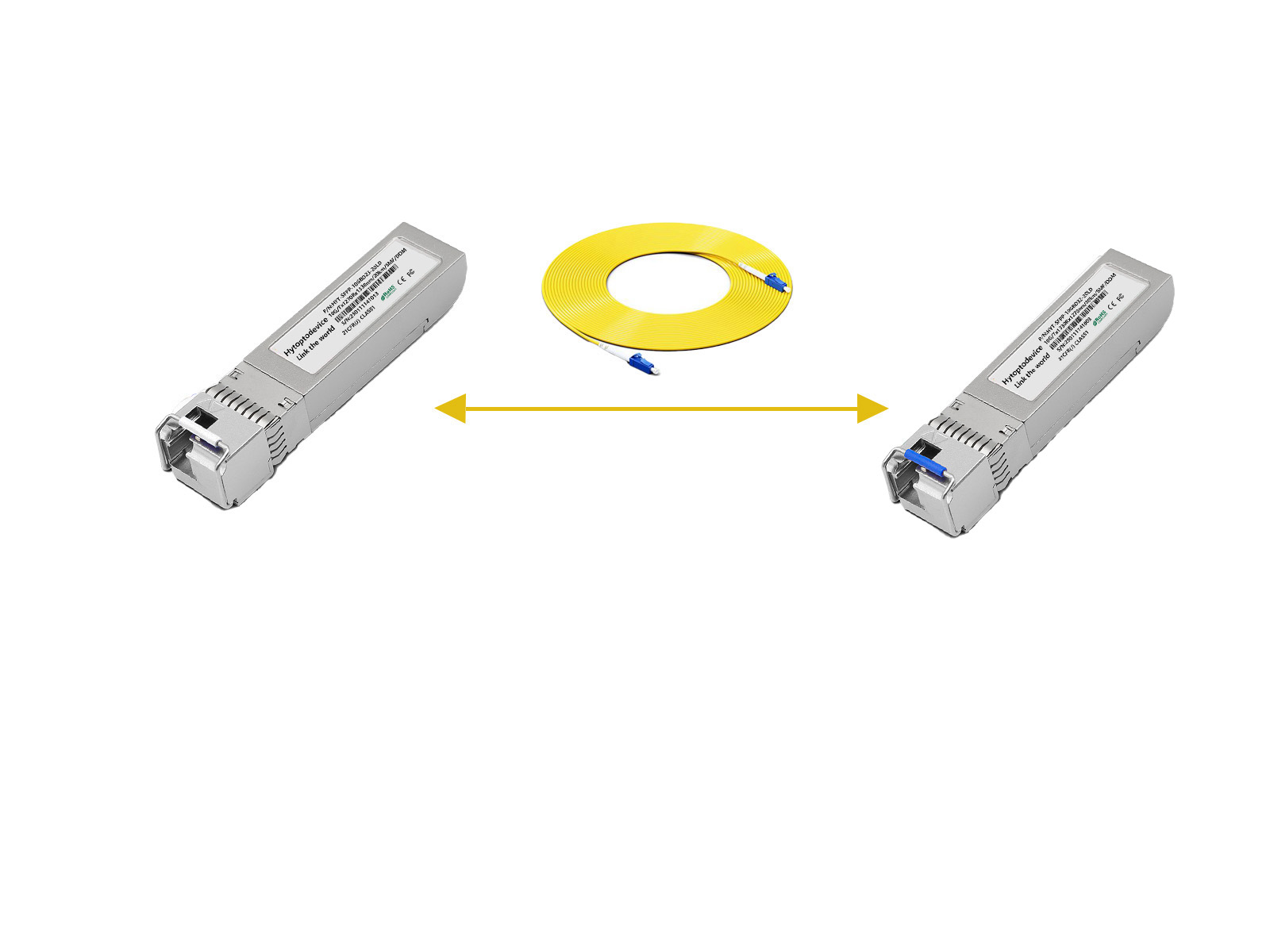
4.Rule 4: Fiber Type Must Be Correct
Single-Mode Fiber (SMF, ITU-T G.652.D): This is the standard fiber type used with BiDi transceivers for long-distance transmission.Ensure your fiber plant is single-mode.

